The Top Artificial Plants for 2026
 2026 03 12
In 2026, artificial plants have become an essential part of modern home décor. Rather than serving as small decorative accents, they are now often used as central design elements that help shape the atmosphere of a space. More homeowners are choosing faux greenery to bring balance, texture, and a refreshing touch of nature indoors—without the need for constant care.
Imagine a home that feels perpetually in bloom, where the refreshing energy of a lush canopy greets you every morning, yet never asks for a drop of water or a perfectly timed pruning. For the modern homeowner, artificial greenery isn’t just a design choice; it’s a lifestyle of uncomplicated beauty.
Thanks to advances in materials and craftsmanship, today’s artificial plants look remarkably realistic. Natural color variations, detailed textures, and lifelike forms allow them to blend seamlessly into a wide range of interiors, from cozy living rooms and peaceful bedrooms to productive home offices. They are especially valuable in spaces where natural light is limited and real plants may struggle to thrive.
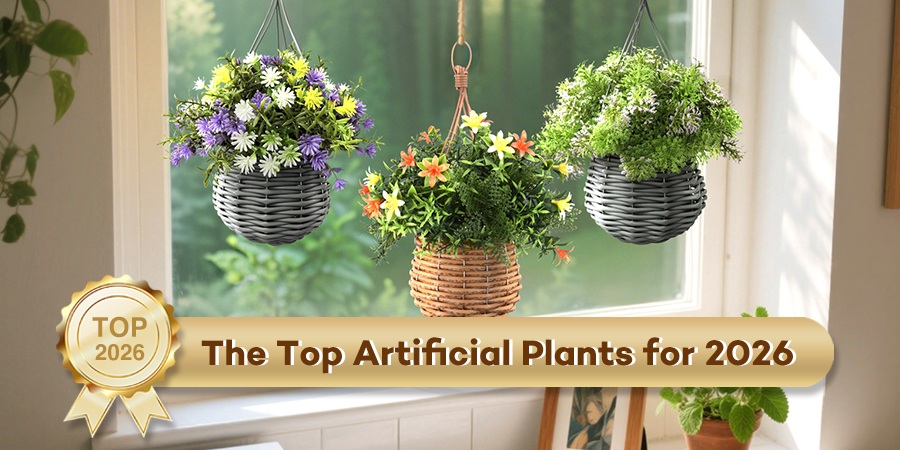
In this guide, we explore the top artificial plant styles for 2026 and how they are being used to shape modern interiors and outdoor living spaces. From statement pieces to subtle greenery accents, these trending designs help bring a sense of calm, comfort, and natural beauty into everyday environments.
Why Artificial Plants Are So Popular in 2026
Indoor greenery has become an important part of home design, especially as many modern interiors embrace calm, neutral color palettes and clean, minimalist furniture. In these spaces, faux plants help soften the look of a room, adding gentle texture and a touch of natural warmth. Even a small arrangement of greenery can make a space feel more inviting and comfortable.
Durability is another key reason homeowners choose artificial plants. Unlike live plants, they keep their color, shape, and fresh appearance throughout the year without requiring watering, pruning, or special care. This makes them especially practical for busy households, shared living spaces, offices, and commercial environments where maintenance may be limited.
Faux plants also offer greater flexibility when it comes to placement. They can brighten up areas where natural light is limited—such as hallways, bathrooms, or shaded corners—where real plants often struggle to thrive. With artificial greenery, it becomes easy to add a refreshing natural element to almost any room in the home.
Artificial Plants as Core Design Elements
—— From Accessory to Design Foundation
Perhaps the biggest change in modern decorating is how designers think about plants. In the past, artificial plants were often added at the end of a decorating project as finishing touches. Today, they are frequently considered from the beginning of the design process.
Interior designers now treat artificial plants for home décor as foundational elements that help shape the mood and balance of a space.
Greenery works beautifully alongside materials like:
- Natural wood
- Stone surfaces
- Metal accents
- Neutral fabrics
Together, these elements create interiors that feel calm, natural, and thoughtfully curated.
The Rise of Statement Artificial Trees
—— When One Plant Defines the Entire Room
One of the strongest artificial plant trends for 2026 is the use of large sculptural greenery as focal points.
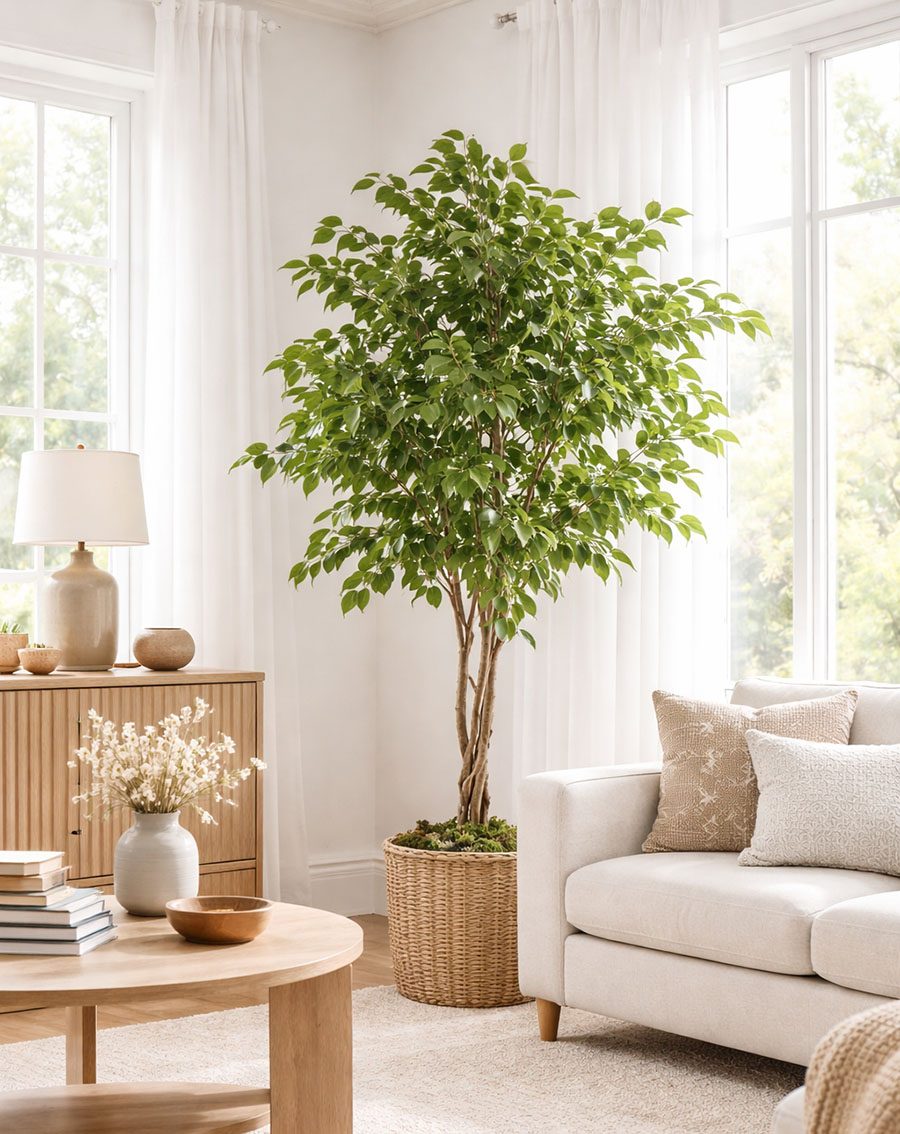
Tall artificial trees for living rooms—such as ficus, olive trees, or palms—are increasingly used as central décor elements rather than secondary accessories. Designers often place them near sofas, beside windows, or at the edge of open layouts to define the structure of a room.
These large faux plants bring height and presence without adding clutter. Instead of filling a room with many small objects, one beautifully designed artificial tree can anchor the entire space.
This approach aligns perfectly with modern design principles: fewer items, but stronger visual impact.
Tropical Faux Plants That Bring Softness Indoors
——Lush Leaves, Relaxed Energy
Another popular direction for artificial plants in modern homes is tropical foliage.
Plants with wide leaves—such as faux monstera, philodendron, or palm trees—introduce depth and softness to interior spaces. Their organic shapes contrast beautifully with straight architectural lines and minimalist furniture.
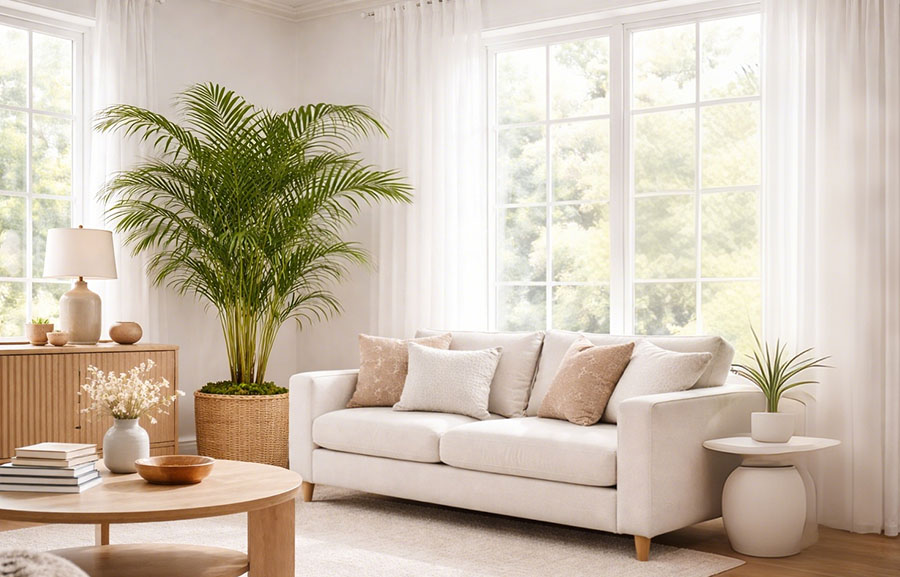
These tropical artificial plants work especially well in:
- Living rooms
- Bedrooms
- Home offices
- Reading corners
The broad leaves create gentle shadows and layered textures, making interiors feel more relaxed and inviting.
In many homes, designers pair tropical plants with natural materials such as wood furniture, linen fabrics, and woven baskets. The result is a warm, lifestyle-inspired aesthetic that feels calm yet sophisticated.
Sculptural Evergreens for Outdoor Living Spaces
—— Year-Round Greenery Without the Maintenance
Outdoor living areas have become increasingly important in modern home design. Patios, terraces, and balconies are now treated as natural extensions of indoor space.
To keep these areas looking polished throughout the year, many homeowners are turning to outdoor artificial plants.
Structured greenery—such as artificial evergreens and topiaries—works particularly well near entryways, patios, and walkways. Their defined shapes complement modern architecture and create a sense of order in outdoor landscapes.
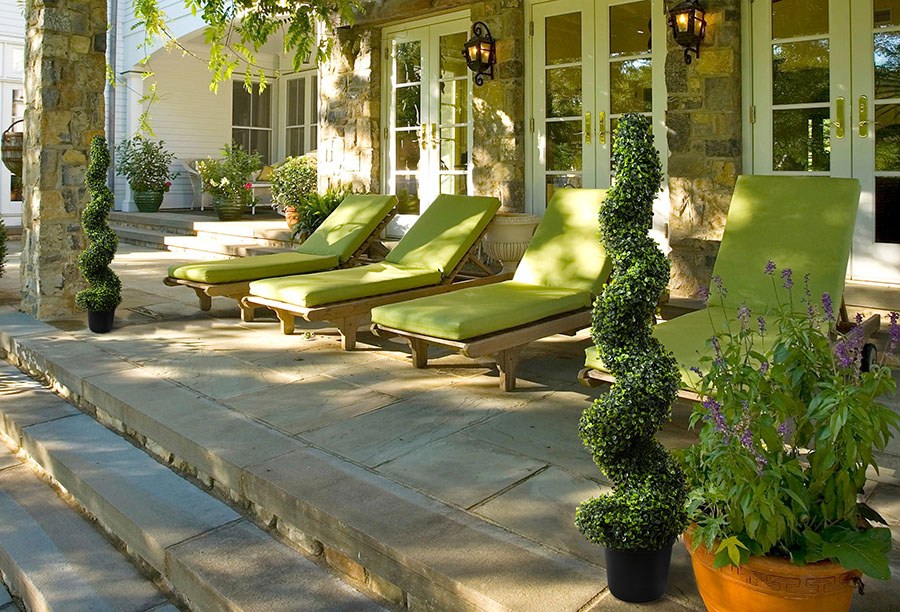
Because they are designed to withstand sun, wind, and seasonal changes, outdoor faux plants maintain their appearance regardless of climate conditions.
The result is a consistently styled outdoor environment with virtually no upkeep.
Faux Boxwood Balls: A Timeless Landscaping Favorite
—— Classic Structure for Modern Homes
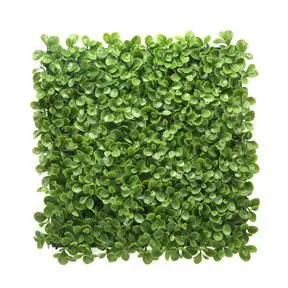
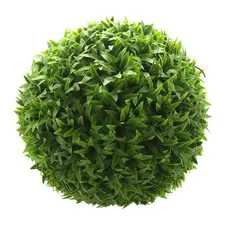
Among the most versatile artificial plants for outdoor décor, faux boxwood balls remain a timeless favorite.
These perfectly shaped spheres of greenery bring a sense of symmetry and elegance to both indoor and outdoor spaces. They are often used in pairs beside doorways, placed on pedestals, or arranged along walkways and patios.
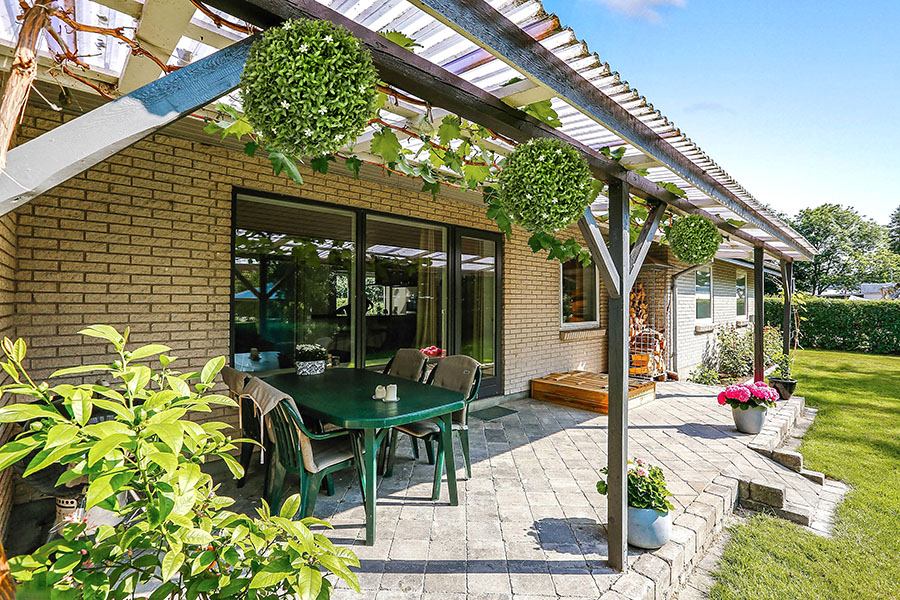
Why designers love artificial boxwood balls:
- Dense, lifelike foliage that mimics natural boxwood
- Perfect spherical shape without trimming
- Stable base for easy placement in planters or decorative containers
Because they maintain their shape year-round, they offer the polished look of formal landscaping without the need for regular clipping.
Artificial Flowering Bushes for Outdoor Color
—— Bringing Vibrancy to Patios and Gardens
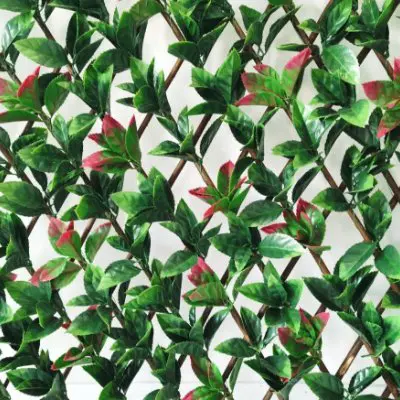
While greenery provides structure, artificial flowering plants introduce color and seasonal charm. Faux flowering bushes are increasingly used as decorative elements on patios, balconies, and outdoor seating areas. They can be placed in planters near entryways, along garden paths, or around lounge furniture.
These fake outdoor plants offer several advantages:
- Consistent color that does not fade with seasons
- No watering or pruning required
- Reliable appearance in sun, heat, or cooler weather
For homeowners who want vibrant outdoor spaces without the maintenance of live flowers, artificial flowering bushes provide a practical and beautiful solution.
Botanical Wall Mats: The Rise of Vertical Greenery
—— Turning Walls Into Living Art
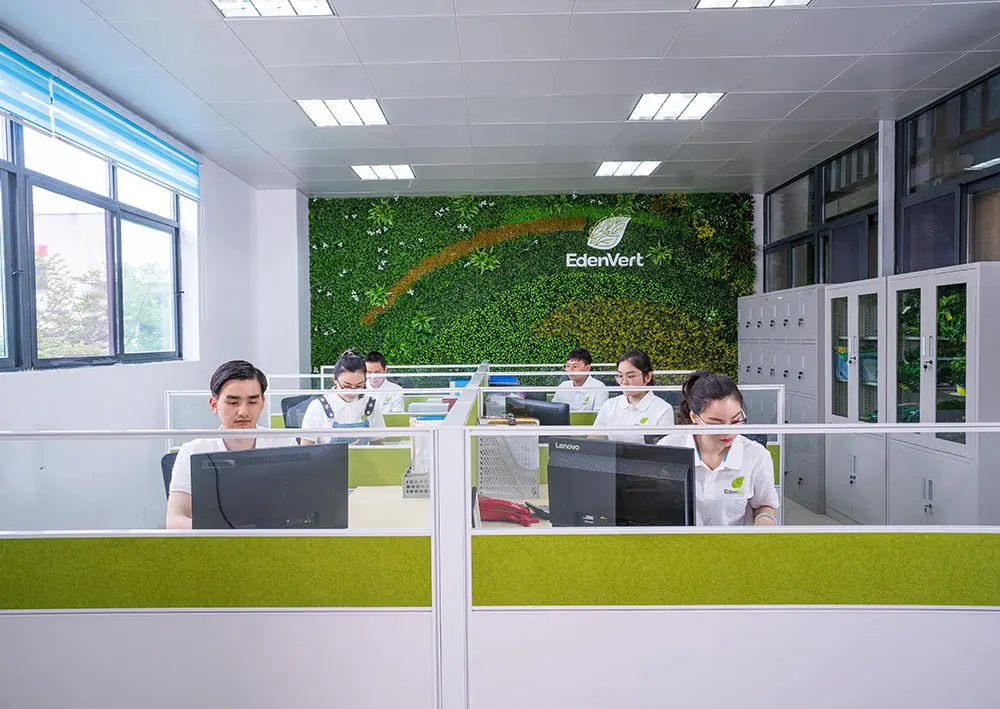
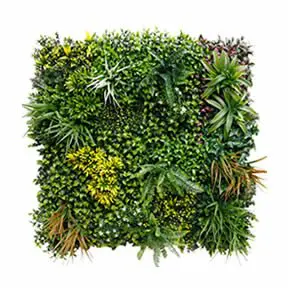
Another design trend gaining attention in 2026 is the use of artificial vertical garden and botanical wall mats.
These panels of layered greenery create a three-dimensional wall feature that adds texture and visual interest. Instead of traditional wall art, designers are increasingly using faux green walls to introduce nature into interior spaces.
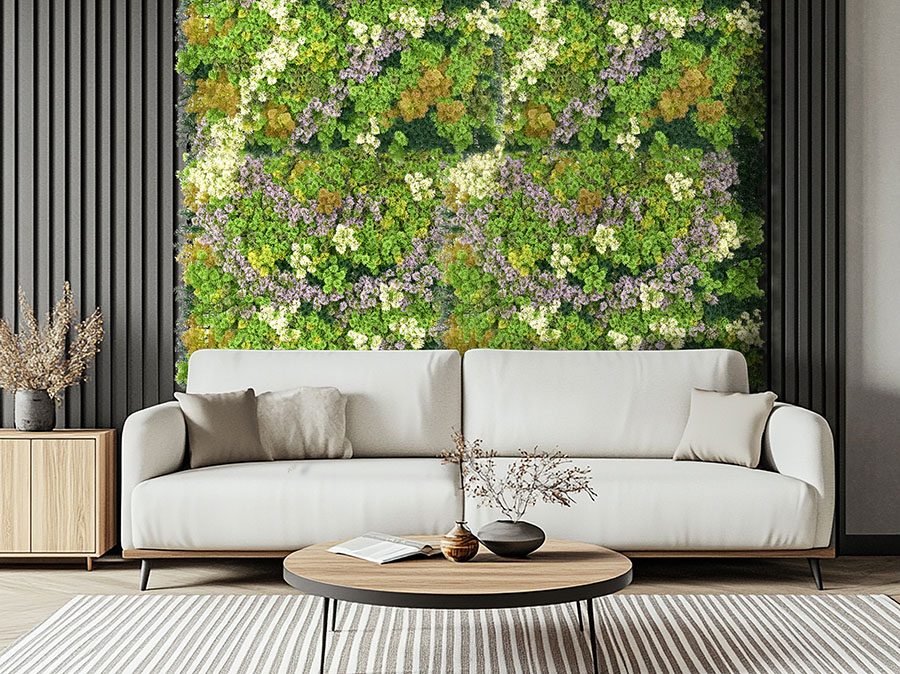
Botanical wall mats are often installed:
- Behind sofas
- Above console tables
- On entryway feature walls
- In offices and commercial interiors
Because they do not require watering or sunlight, artificial living walls can be installed almost anywhere—including windowless rooms or narrow hallways where floor plants may not fit. They provide the lush appearance of a garden while saving valuable floor space.
Styling Artificial Plants in Living Rooms
—— Creating Balance With Layered Greenery
The living room remains the most popular space for decorating with artificial indoor plants.
Designers often use a layered approach:
- Large artificial trees act as focal points
- Medium faux plants fill corners or frame seating areas
- Small potted plants decorate shelves, coffee tables, and sideboards
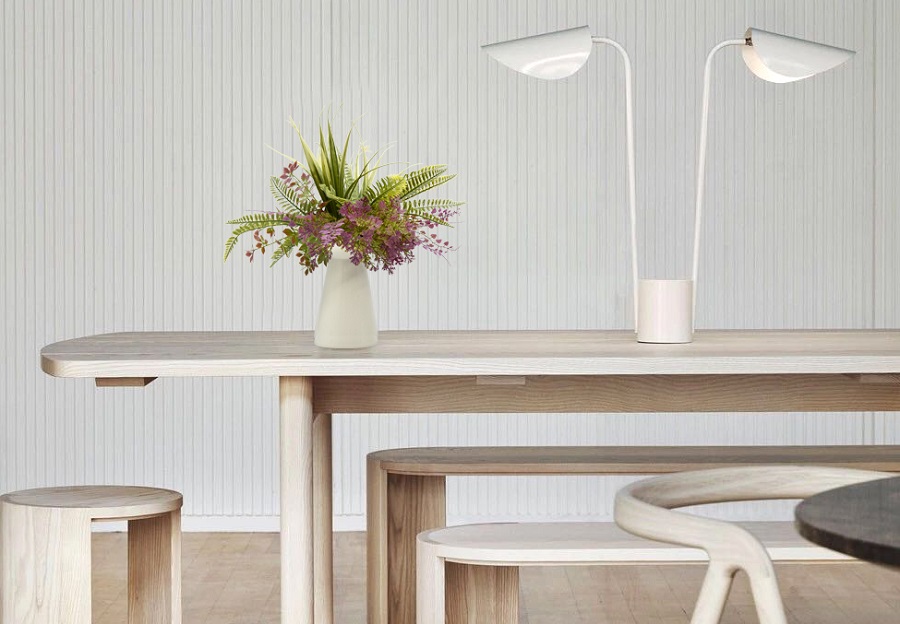
This layering technique creates depth and visual movement throughout the room. Because faux plants for living rooms are not affected by lighting conditions, they maintain their appearance in both bright and shaded areas—making them ideal for flexible interior layouts.
Faux Plants for Apartments and Small Spaces
—— Smart Greenery for Compact Homes
Apartments and smaller homes require décor that is adaptable and space-efficient. Fortunately, artificial plants for small spaces offer many creative possibilities.
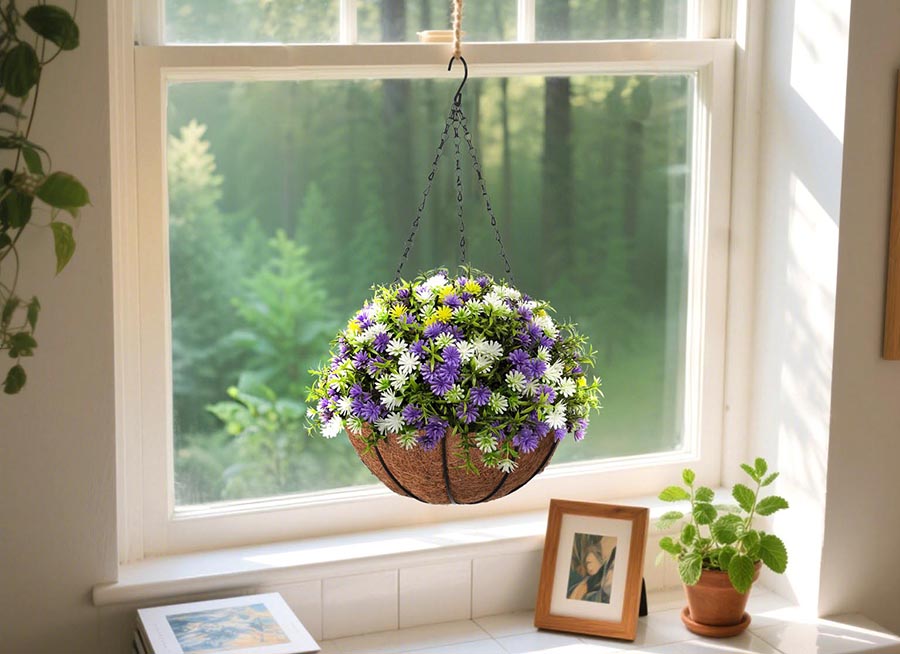
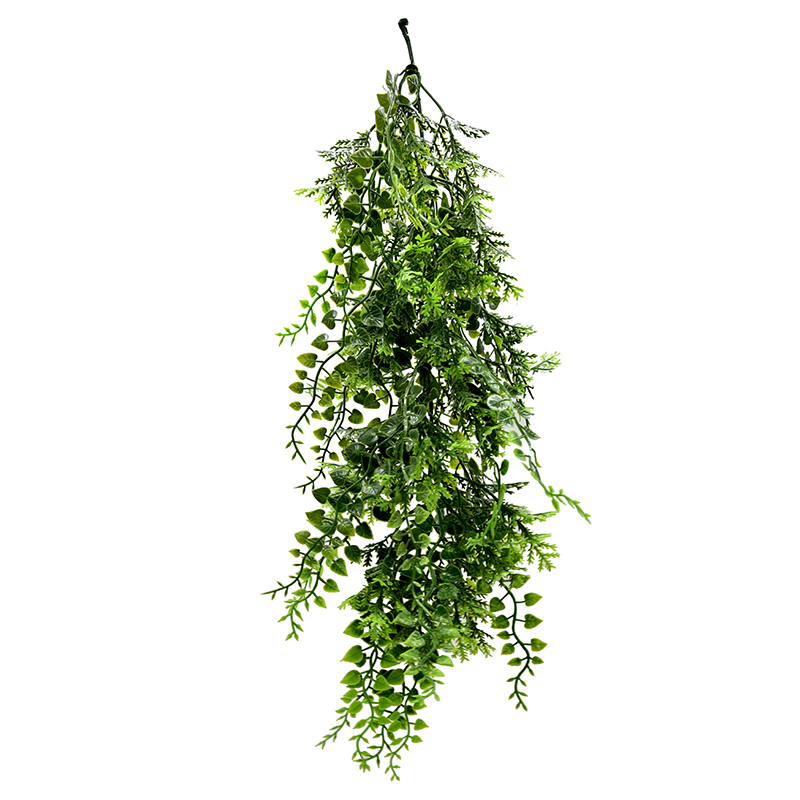
Slim vertical plants, hanging faux plants, and compact potted greenery can easily fit into tight areas without overwhelming the room.
Popular placements include:
- Floating shelves
- Work desks
- Bathroom counters
- Bedside tables
Because they do not depend on sunlight, fake plants for apartments can bring greenery even to windowless areas.
For urban homes where outdoor gardens may be limited, artificial plants provide a simple way to introduce nature indoors.
Frequently Asked Questions
1. Why Are Fake Plants Replacing Real Plants in Modern Homes?
More homeowners are choosing fake plants over live plants because they combine beauty with convenience. Unlike natural plants, artificial plants require no watering, pruning, fertilizing, or seasonal care.
This makes them ideal for busy households, offices, and shared spaces where plant maintenance can be difficult to manage.
Another advantage is versatility. Fake plants thrive in any environment, including low-light rooms, hallways, bathrooms, and high-traffic spaces where live plants often struggle. They maintain their shape and color year-round, offering consistent greenery regardless of climate or season.
For families with pets or young children, artificial indoor plants also provide a practical solution. They deliver the calming look of nature without the concerns associated with certain toxic houseplants.
With minimal upkeep and long-lasting visual appeal, realistic artificial plants offer lasting value for modern homes.
2. How to Choose the Right Artificial Plants for Your Space
As artificial plants continue to grow in popularity, shoppers today have more options than ever before. With so many designs claiming to be “lifelike,” choosing the right greenery comes down to a few key details.
Here are the most important factors to consider when selecting high-quality fake plants for home décor.
Material Quality
The realism of faux plants largely depends on the materials used. High-end realistic artificial plants are made with premium materials (such as 100% pure PE material) that replicate the texture and flexibility of live leaves. Lower-quality plants, often made from basic plastic, can appear stiff or overly glossy.
For the most natural look, choose artificial greenery that features:
- Multiple shades of green
- Subtle leaf veining
- Matte finishes instead of shiny plastic
These small details help mimic the natural variations found in real plants.
UV Resistance for Outdoor Plants
If you plan to decorate outdoor areas such as patios, balconies, or gardens, UV-resistant artificial plants are essential.
Sun exposure can cause standard fake plants to fade over time. UV-treated foliage helps maintain vibrant color and durability, allowing outdoor artificial plants to stay fresh and beautiful throughout the seasons. This makes them perfect for outdoor spaces where natural plants may require significant care.
Easy Maintenance
One of the greatest advantages of fake plants is their low maintenance.
Unlike live plants, they require only occasional dusting to maintain their appearance. Some modern designs even feature dust-resistant coatings, which help prevent buildup and make cleaning easier.
For living rooms, offices, or commercial interiors, these low-maintenance details can make a big difference.
Pot and Planter Design
The planter plays a surprisingly important role in how artificial plants for home décor look in a space.
Many faux plants arrive in simple nursery pots designed to be placed inside decorative containers. Others come pre-styled in ceramic, cement, or woven planters.
Choosing the right planter can elevate the entire look of your greenery. Materials like stone, terracotta, ceramic, and natural fiber baskets pair beautifully with modern interior design styles.
3. How Do You Make Fake Plants Look Real?
Even the most beautiful fake plants can benefit from a bit of styling.
Professional designers often treat artificial plants the same way they would live plants—by shaping, arranging, and styling them to mimic natural growth.
Here are a few simple tips to make faux plants look more realistic:
- Gently bend stems and leaves to create natural movement
- Use planters with soil, moss, or decorative stones
- Mix artificial greenery with real plants when possible
- Avoid overly symmetrical arrangements—real plants rarely grow perfectly evenly
These small adjustments can make realistic artificial plants blend seamlessly into your interior design.
Learn more: How to make artificial plants look real
4. How Do You Keep Artificial Plants From Fading?
To maintain the vibrant appearance of artificial plants, proper placement is important.
For outdoor use, always choose UV-resistant artificial plants designed specifically for exterior environments.
If using standard indoor artificial plants, avoid placing them in direct sunlight for extended periods, especially near south-facing windows. Regular dusting will also help keep foliage looking fresh and vibrant.
With proper care, high-quality fake plants can maintain their appearance for many years.
5. How Long Do Artificial Plants Last Outside?
High-quality outdoor artificial plants are designed to withstand sun exposure, rain, and seasonal weather changes. When made with UV-resistant materials and placed in suitable locations, they can last several years outdoors while maintaining their shape and color. Occasional cleaning and proper placement will help extend their lifespan even further.
Learn more: How long can outdoor artificial plants last?
6. Are Real-Touch Artificial Plants Safe for Pets?
In most cases, real-touch artificial plants are made from non-toxic materials and are safe for homes with pets. However, as with any decorative item, it’s always wise to check product descriptions and labels—especially if pets are prone to chewing on houseplants.
Many homeowners prefer fake plants for pet-friendly homes because they eliminate concerns associated with toxic live plants while still bringing the beauty of greenery indoors.
Conclusion
In 2026, artificial plants have evolved from simple décor accents into essential design elements that shape both indoor and outdoor spaces. From large statement trees that anchor living rooms to vertical green walls, tropical foliage, and sculptural outdoor topiaries, faux greenery offers endless possibilities for modern homes.
Beyond aesthetics, artificial plants provide something today’s homeowners value deeply: simplicity. They bring the calming presence of nature into everyday spaces without the maintenance demands of live plants.
Flexible, durable, and beautifully designed, faux plants and artificial greenery allow homeowners to create interiors that feel balanced, welcoming, and effortlessly stylish.
In a world where home has become a place for rest, creativity, and connection, artificial plants offer a timeless advantage: the beauty of nature—perfectly preserved.