How long can outdoor artificial plants last?
 2026 05 28
An outdoor landscape featuring with colourful flowers and fresh leaves will cheer you up, wouldn’t it? However, it is not easy for everyone to keep real plants alive and create such a refreshing environment. Therefore, artificial plants are becoming more popular. However, someone may ask: “How long can outdoor artificial plants last?”
Quick Answer: How Long Can Outdoor Artificial Plants Last?
Outdoor artificial plants can typically last anywhere from 2 to 8 years, depending on their material quality, UV protection, installation environment, and maintenance. Standard faux plants exposed to direct sunlight may begin to fade after a few years, while high-quality UV-resistant artificial plants can maintain their colour and appearance much longer.
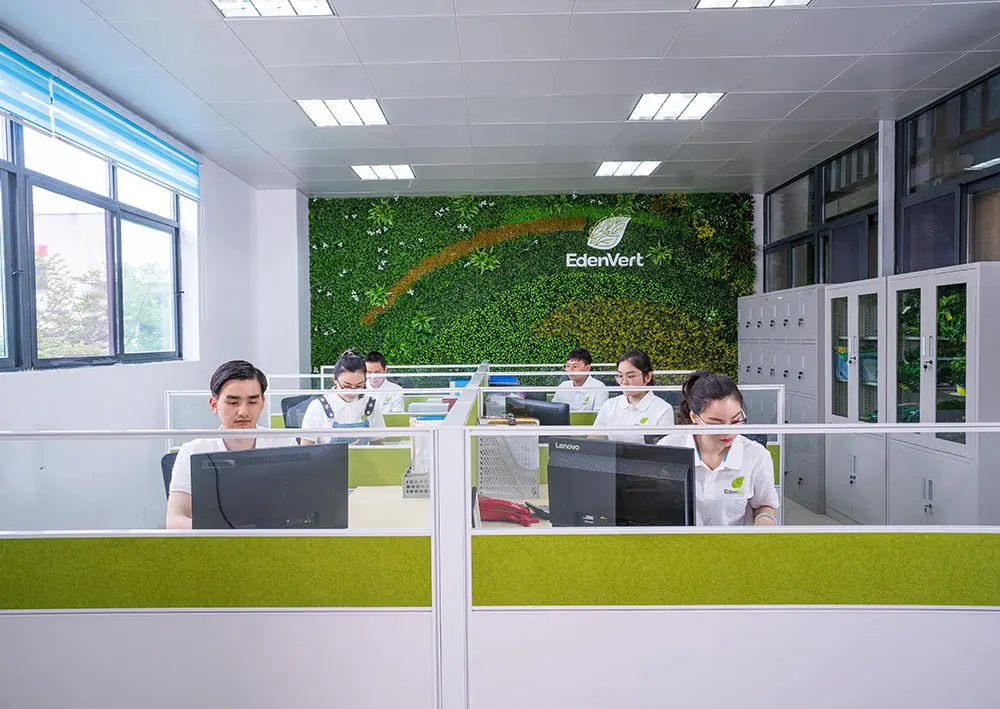
At EdenVert, artificial plants are designed for long-term durability, with products that can last over 10 years indoors and approximately 5–8 years outdoors under normal conditions. Their low-maintenance nature and long lifespan make them a practical investment for both residential and commercial outdoor spaces.
Whether you’re choosing decorative faux plants, artificial green wall panels, or large artificial trees, understanding what affects their lifespan can help you select more durable products and keep them looking realistic for years to come. In this guide, we’ll explore the key factors that influence outdoor artificial plant longevity and share practical tips to help extend their lifespan.
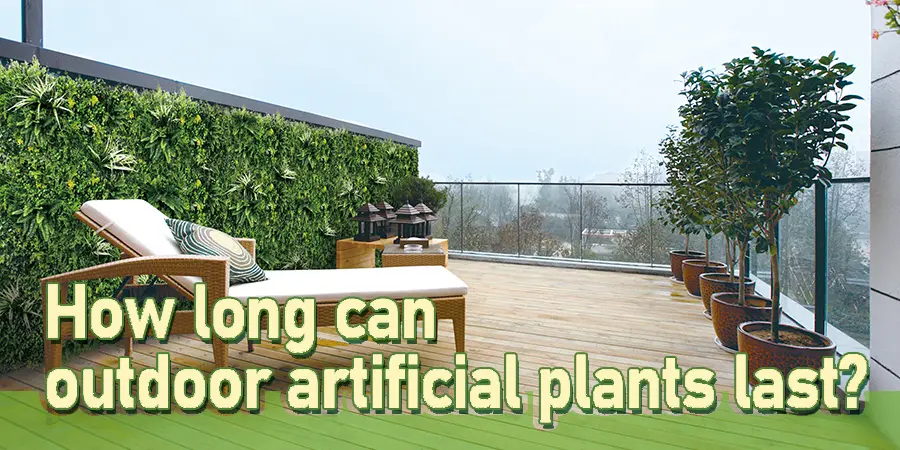
Why Artificial Plants Are Popular for Outdoor Spaces
Artificial plants have become a practical alternative to live greenery for both residential and commercial outdoor spaces. Unlike real plants, they require minimal maintenance while providing year-round visual appeal.
Key advantages include:
- No watering or trimming required
- Maintain a green appearance in all seasons
- Suitable for balconies, patios, gardens, and commercial landscaping
- Ideal for areas with strong sunlight or difficult growing conditions
- Available in UV-resistant materials for long-term outdoor durability
Modern outdoor artificial plants are now designed with realistic textures, natural colour variation, and weather-resistant materials, making them increasingly difficult to distinguish from real plants.
Can Artificial Plants Be Used Outdoors?
Yes, fake plants can be used outdoors, but only if they are made from weather-resistant and UV-protected materials. Different materials of artificial plants would act differently according to environmental situations.
Outdoor conditions such as:
- direct sunlight
- heavy rain
- humidity
- temperature changes
can gradually damage low-quality faux plants, causing fading, cracking, or brittleness over time.
For long-term outdoor use, UV-resistant artificial plants made from durable PE materials are generally the best option.
What Affects the Lifespan of Outdoor Artificial Plants?
The lifespan of outdoor artificial plants depends on several important factors, including material quality, UV resistance, climate conditions, installation location, and maintenance. While high-quality faux plants can maintain their appearance for many years, lower-quality products exposed to harsh outdoor conditions may fade or deteriorate much more quickly.
Among all environmental factors, direct sunlight is usually the biggest challenge for outdoor artificial greenery. Prolonged UV exposure can gradually break down colours and weaken materials, especially in hot climates or areas with intense year-round sunshine. Rain, humidity, strong winds, and temperature fluctuations can also contribute to wear over time.
The location of the installation also plays a major role. Artificial plants placed in covered patios, shaded balconies, or partially protected outdoor spaces often last longer than plants installed in areas with constant direct sunlight and severe weather exposure.
In addition to environmental conditions, regular cleaning and proper maintenance can significantly extend the lifespan of outdoor artificial plants. Choosing UV-resistant products specifically designed for outdoor use is one of the most effective ways to ensure long-term durability and maintain a realistic appearance.
What Are Artificial Plants Made of?
| Material | Description | Common Uses | Key Features |
|---|---|---|---|
| Polyethylene (PE) | Widely used plastic, common in artificial plants, fruits, and berries. Often recyclable, depending on composition. | Artificial plants/ fruits / berries | Durable, recyclable (depending on additives). |
| Polyester | Popular for artificial flower petals due to its low cost, durability, and ability to hold dyes and adhesives. | Artificial flower petals | Low-cost, durable, easily dyed, and glued. |
| Silk | Delicate material designed for indoor use. Susceptible to damage from outdoor elements like rain and sunlight. | Indoor decorations | Luxurious texture, vibrant colors, sensitive to wear. |
| Metal (Wire) | Provides structure and flexibility in artificial plants and flowers, often hidden inside stems and leaves. | Structural support in plants and flowers | Maintains form, flexible for shaping arrangements. |
Do Artificial Plants Fade in The Sun?
In some regions, sunlight may not pose a significant problem, but for sunnier locations, it’s a different story. While sunshine boosts well-being, faux trees and green walls can be more sensitive to prolonged exposure.
This primarily affects outdoor artificial plants. Although they tend to be more durable and longer-lasting than live plants, they still undergo natural wear over time.
Why does fading happen?
Many artificial plants are not engineered for outdoor use. Despite their realistic appearance, not all are UV stable. These plants are made from materials like silks, plastics, wires, fabrics, or natural wood, which are vulnerable to UV light. Sun exposure breaks down the pigments, causing discoloration, brittleness, and a weathered look.
However, there are options designed to resist UV rays from the start, and UV protection sprays can help extend their appearance.
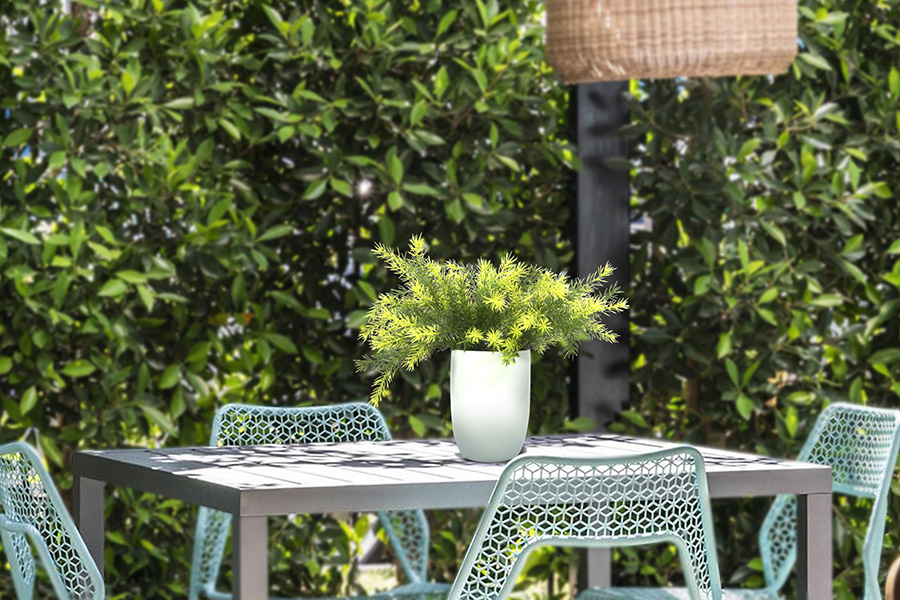
Why UV Protection Matters for Outdoor Artificial Plants
As previously mentioned, extended sun exposure can harm outdoor artificial greenery, causing it to fade or weaken. However, this doesn’t mean that faux plants or trees can’t be placed in sunny areas without losing their appeal.
In fact, reputable artificial plants manufacturers often incorporate UV-resistant materials to help their products withstand sunlight. While this won’t completely prevent fading, it will significantly slow the process.
| Feature | UV-Protected Plants | Non-UV Plants |
|---|---|---|
| Outdoor lifespan | > 5 years | 1–2 years |
| Resistance to fading | High | Low |
| Heat resistance | Strong | Weak |
| Colour retention | Excellent | Poor |
| Cracking resistance | Better | More likely |
| Recommended for outdoor use | Yes | Limited |
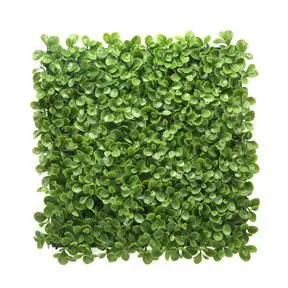
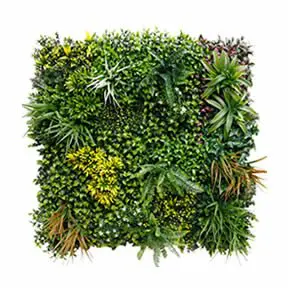
For artificial plants exposed to sunlight for long periods, choosing UV-protected options, like our Artificial Green Wall with a lifespan of over 5 years outdoors, ensures long-lasting durability.
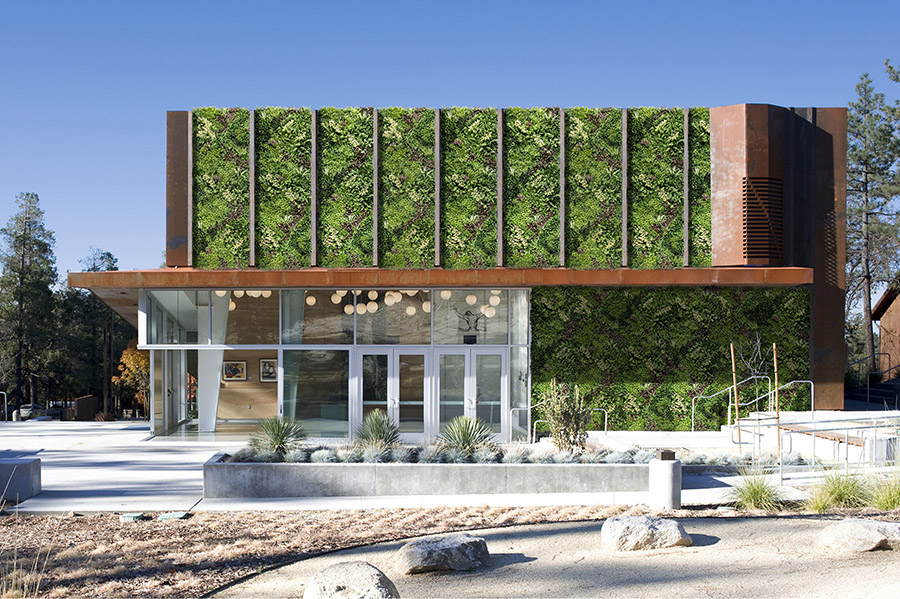
UV-Coated vs Built-In UV Protection
Artificial plants for outdoor use can generally be categorised into two primary types based on their UV protection:
-
UV Protection Sprayed on Artificial Plants
Treating fake landscape plants with UV protection significantly extends their lifespan compared to untreated products. UV rays from the sun can cause accelerated deterioration, particularly for outdoor items. Without UV treatment, regardless of the quality of the material used, outdoor faux plants are more susceptible to aging and losing their shape and texture over time. By applying UV protection, these plants are better equipped to withstand prolonged exposure to sunlight, resulting in a more enduring and aesthetically pleasing outdoor decor.
-
Products Manufactured with UV Inhibitors Embedded in the Material
Another approach to UV protection involves incorporating UV inhibitors directly into the material during the manufacturing process. This advanced method provides the highest level of sun protection for outdoor artificial plants and trees. By embedding UV inhibitors within the plant’s material, fake outdoor plants are inherently resistant to the harmful effects of UV rays. This means they are less likely to fade or crack, even when subjected to intense sunlight and high temperatures. The incorporation of UV inhibitors ensures that the plants retain their vibrant colors and structural integrity over an extended period, making them an ideal choice for outdoor landscaping projects requiring long-term durability and aesthetics.
5 Ways to Make Outdoor Artificial Plants Last Longer
1. Choose UV-Resistant Artificial Plants
The most important factor affecting the lifespan of outdoor artificial plants is whether they are designed specifically for outdoor use. Standard indoor faux plants may look realistic at first, but prolonged exposure to sunlight, heat, rain, and humidity can quickly cause fading, cracking, and material deterioration.
When selecting artificial plants for outdoor spaces, always look for products made with UV-resistant materials or built-in UV inhibitors. High-quality PE (polyethylene) materials are generally more durable and weather-resistant than lower-cost alternatives.
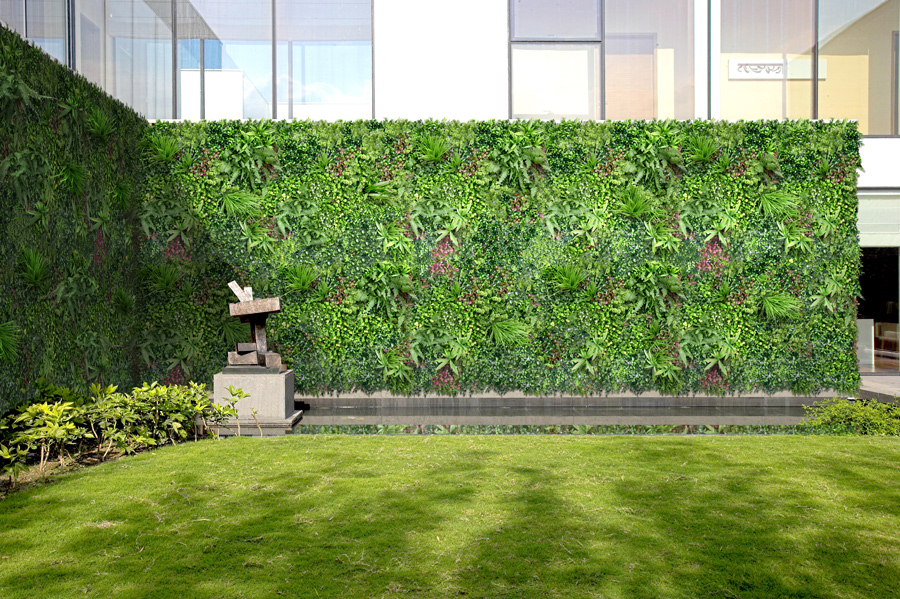
UV-resistant artificial plants offer several long-term advantages:
- Better colour retention under direct sunlight
- Reduced risk of brittle or cracked leaves
- Improved resistance to rain and temperature changes
- Longer overall outdoor lifespan
- Lower replacement and maintenance costs over time
For commercial landscaping projects, balconies, patios, and garden installations, investing in premium UV-protected artificial greenery often delivers better long-term value than replacing low-quality products every few seasons.
2. Clean Outdoor Faux Plants Regularly
To keep outdoor artificial plants looking vibrant, regular cleaning is essential. Neglecting this can lead to a buildup of dirt and dust, which dulls their appearance and causes premature fading. Monthly cleaning is recommended, with extra attention during summer months.
For plants exposed to harsh weather, handle them gently as they may be more fragile. Start with a feather duster for light dust. If needed, use a damp cloth with mild dish soap to remove stubborn grime, then rinse with a clean rag and let the plants air dry.
For specific cleaning guidance tailored to your product, reach out to us. Different artificial plants may require unique care, just like their real counterparts.
3. Apply UV-protective Spray
If your faux plants lack built-in UV protection, you can use UV-protective sprays to extend their lifespan outdoors.
For best results, apply the spray evenly across all parts of the plant, including stems and branches. Always test the spray on a hidden area, like the underside of a leaf, to ensure it won’t affect the plant’s color.
With a quality UV spray, you can significantly extend the life of outdoor artificial plants, especially when applied generously after cleaning.
4. Protect Plants During Extreme Weather
Although outdoor artificial plants are designed to handle changing weather conditions, extreme environments can still shorten their lifespan over time. Strong winds, heavy rain, snow, and prolonged heatwaves may gradually weaken materials or damage structural components.
Taking simple preventative measures during severe weather can help maintain the quality and appearance of faux plants for many years.
Helpful protection methods include:
- Moving lightweight potted plants to sheltered areas during storms
- Securing artificial green walls and hanging baskets firmly
- Avoiding prolonged exposure to standing water
- Storing decorative arrangements indoors during extreme seasonal weather
- Rotating plants occasionally to reduce uneven sun exposure
In regions with intense summer temperatures or freezing winters, seasonal protection can make a noticeable difference in preserving colour, flexibility, and structural integrity.
5. Inspect and Maintain Artificial Greenery
Routine inspection is one of the easiest ways to maximize the lifespan of outdoor artificial plants. Over time, exposure to weather and sunlight may cause small signs of wear that are easier to repair when caught early.
Check outdoor faux plants regularly for:
- Loose stems or branches
- Minor cracks in leaves
- Discoloration or fading
- Dust accumulation
- Bent or misshapen foliage
Minor issues can often be repaired using floral tape, fabric glue, or simple reshaping techniques. Prompt maintenance helps prevent small cosmetic problems from developing into larger visible damage.
For large commercial installations or artificial green walls, periodic maintenance inspections also help ensure the installation continues to look full, vibrant, and professionally maintained throughout the year.
Best Outdoor Areas for Artificial Plants
Outdoor artificial plants are an excellent solution for spaces where maintaining real greenery is difficult, costly, or time-consuming. Thanks to their durability and low-maintenance nature, faux plants can enhance a wide range of residential and commercial outdoor environments while providing year-round visual appeal.
Here are some of the best outdoor areas for artificial plants:
Balconies and Rooftops
Balconies and rooftop terraces are often exposed to intense sunlight, strong winds, and inconsistent watering conditions, making it challenging for real plants to thrive. Outdoor artificial plants provide an easy way to create a lush, green atmosphere without ongoing maintenance.
Artificial hanging plants, potted greenery, and decorative green walls can instantly soften concrete spaces and make urban balconies feel more inviting and relaxing.
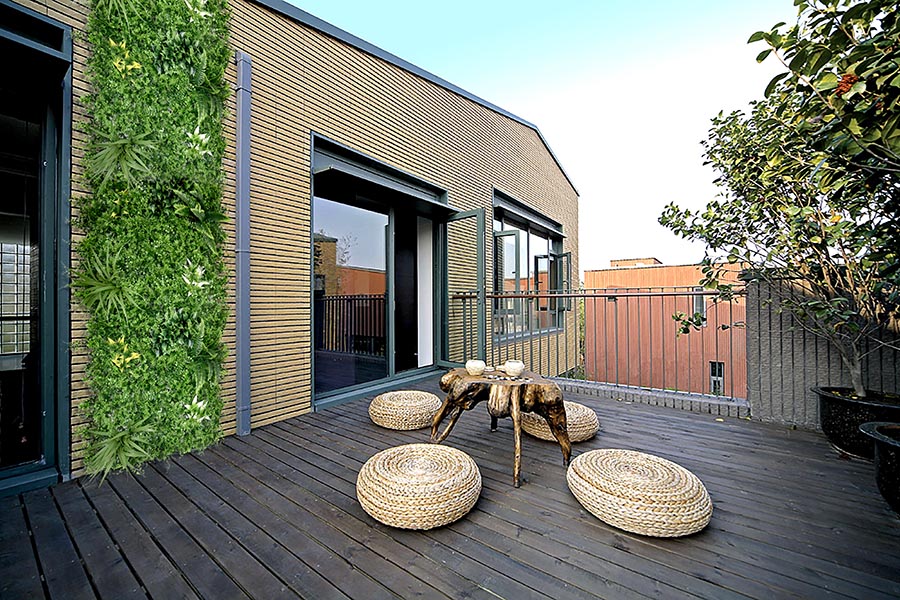
UV-resistant faux plants are especially ideal for high-rise environments because they maintain their appearance despite prolonged sun exposure and changing weather conditions.
Commercial Entrances
Hotels, office buildings, restaurants, shopping centers, and retail stores often use artificial plants to create attractive entrances that remain visually consistent throughout the year.
Unlike live plants, artificial greenery does not require daily watering, pruning, or replacement, helping businesses reduce maintenance costs while maintaining a polished appearance.
Artificial topiary trees, green walls, and decorative planters can enhance curb appeal, improve first impressions, and create a welcoming atmosphere for visitors and customers.
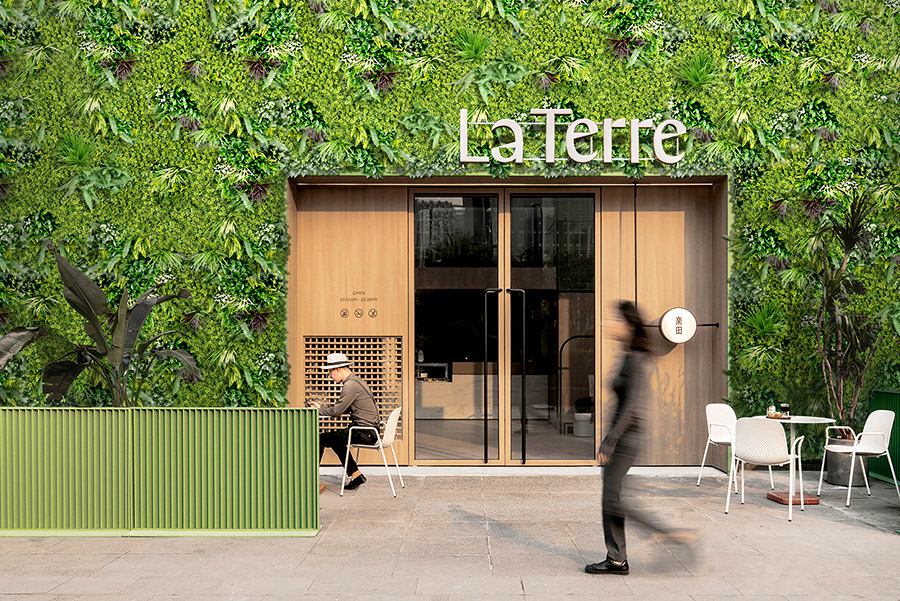
For commercial applications, UV-protected artificial plants are particularly valuable because they retain their colour and structure even in high-traffic outdoor areas.
Poolside Landscaping
Pool areas are often difficult environments for natural plants due to constant humidity, chlorine exposure, and strong sunlight. Artificial plants provide a practical alternative that maintains a fresh tropical appearance without the challenges of ongoing plant care.
Artificial palm trees, tropical foliage, and outdoor green walls can help create a resort-style atmosphere around swimming pools while resisting moisture-related issues that affect real plants.
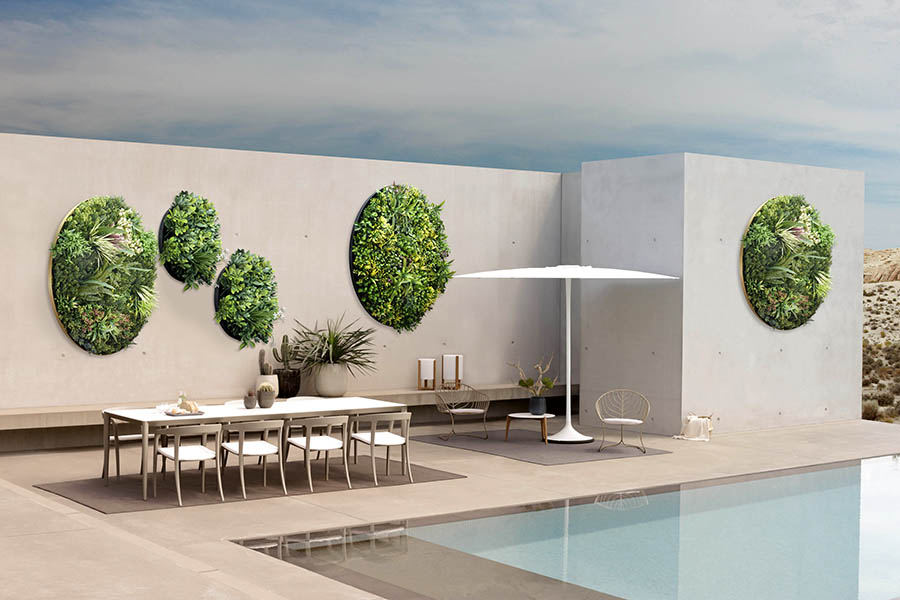
Because faux plants do not shed leaves, attract insects, or create soil mess, they are also easier to maintain in poolside environments where cleanliness is important.
Patio and Fence Decoration
Patios, fences, pergolas, and outdoor seating areas can sometimes feel overly hard or empty due to exposed walls and structural surfaces. Artificial greenery helps soften these spaces and adds texture, privacy, and visual warmth.
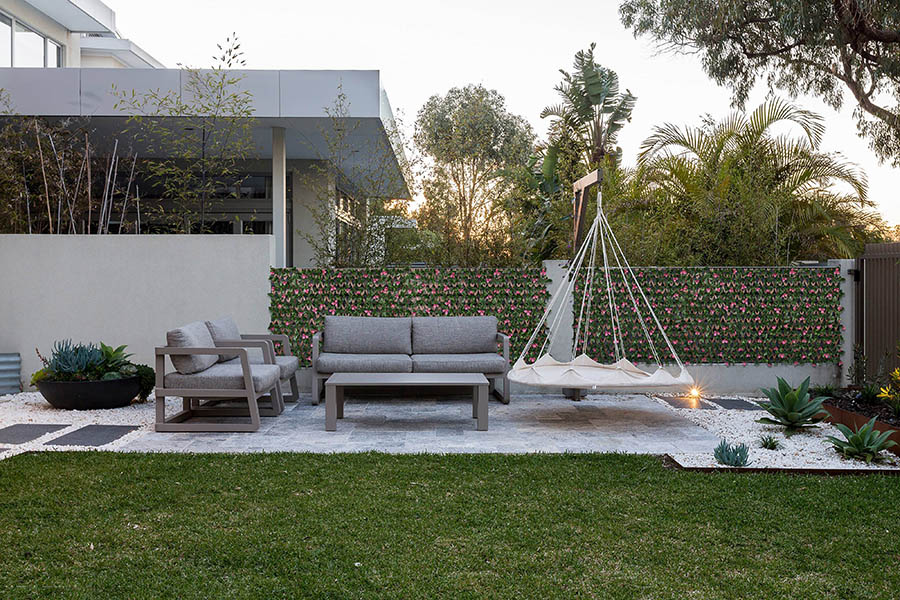
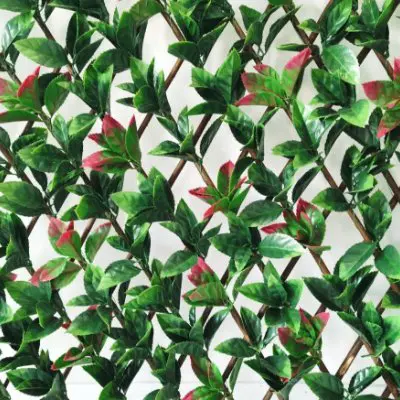
Artificial hanging plants, expandable leaf trellises, and faux green walls are popular options for enhancing patios and fence lines because they:
- Add privacy to outdoor spaces
- Create a more natural atmosphere
- Cover unattractive walls or fencing
- Require minimal maintenance compared to live climbing plants
These decorative solutions are especially useful for rental properties, restaurants, cafes, and urban outdoor spaces where natural landscaping options may be limited.
Outdoor Dining and Entertainment Areas
Artificial plants are also widely used in outdoor dining spaces, cafes, rooftop bars, and entertainment areas to create a more comfortable and visually appealing environment.
Decorative faux greenery can help define seating areas, enhance ambience, and introduce colour without the maintenance demands of live plants.
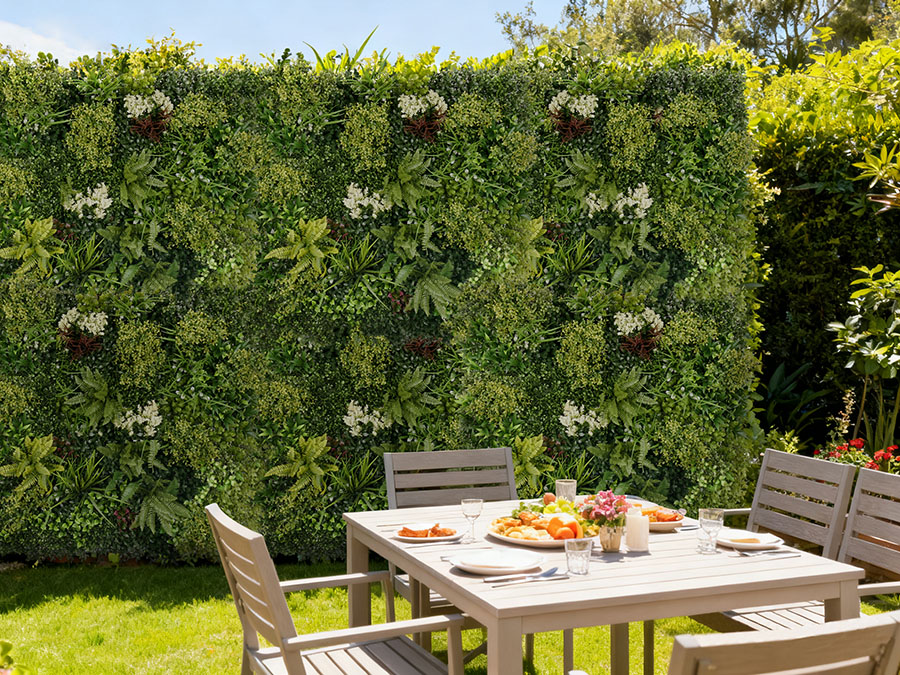
Because high-quality outdoor artificial plants remain attractive throughout all seasons, they are ideal for hospitality spaces that require a consistent appearance year-round.
Conclusion
When selecting outdoor artificial plants, it’s often wise to invest a bit more upfront to minimize long-term replacement costs. Opting for a manufacturer that specializes in UV-resistant foliage ensures durability and longevity, saving you money over time. For outdoor plants that begin to fade, temporary solutions like UV-protective sprays, repositioning, or rotating can help maintain their appearance.
For any inquiries, feel free to contact us at Telephone: +86 25 69811666 or Email: marketing@eden-vert.com.