What Are the Best Durable Artificial Outdoor Plants for Patios and Gardens?
 2026 06 11
Quick Answer
If you want artificial outdoor plants that can withstand sun, rain, wind, and seasonal weather changes, choose products made from virgin polyethylene (PE) with built-in UV protection and verified outdoor durability testing. High-quality outdoor artificial plants can maintain their color, flexibility, and appearance for 5–8 years or longer, making them ideal for patios, balconies, gardens, rooftops, and commercial landscapes.
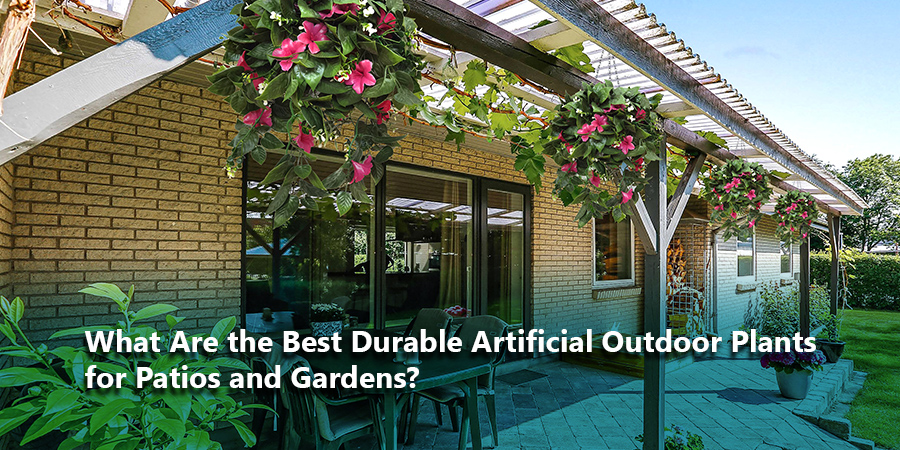
Best Durable Artificial Outdoor Plants at a Glance
| Best For | Recommended Type |
|---|---|
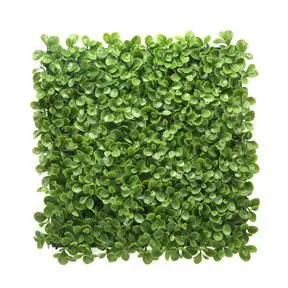
| Privacy Screening | Artificial Boxwood Hedges |
| Patios | Artificial Topiary Trees |
| Balconies | Artificial Hanging Plants |
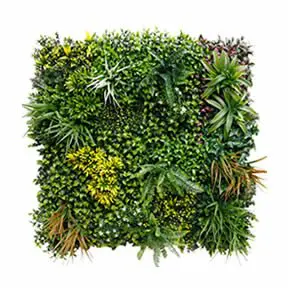
| Walls & Fences | Artificial Green Wall Panels |
| Commercial Projects | Fire Retardant Artificial Green Walls |
| Low-Maintenance Landscaping | Artificial Hedges and Topiaries |
Why Durable Artificial Outdoor Plants Are Becoming More Popular
Outdoor spaces have become an extension of modern living and commercial environments. Whether creating a cozy backyard retreat, upgrading a rooftop terrace, or enhancing a hospitality venue, maintaining healthy natural plants can be time-consuming and costly.
Durable artificial outdoor plants provide a practical alternative by delivering year-round greenery without watering, pruning, fertilizing, or seasonal replacement.
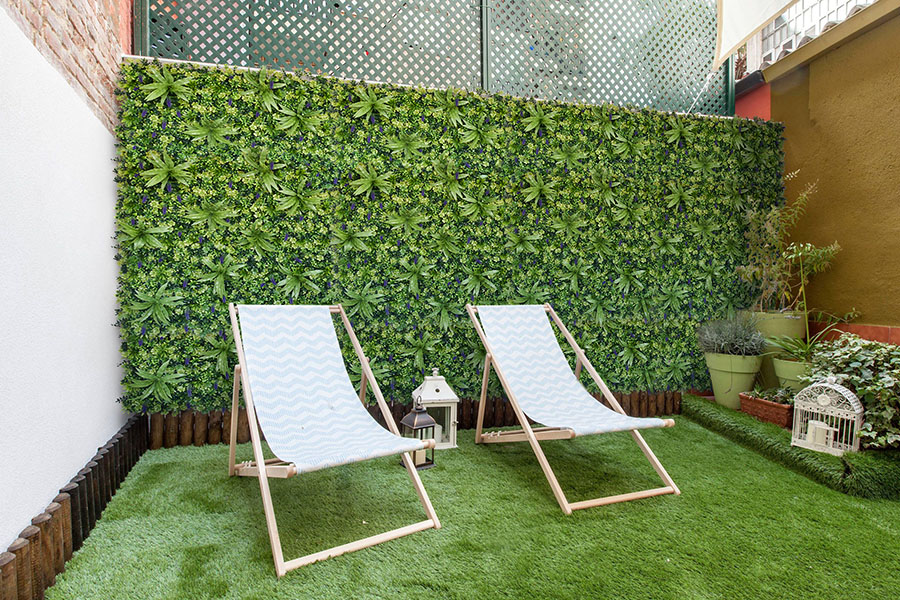
Low Maintenance and Water Savings
Artificial plants eliminate the need for irrigation systems, fertilizers, pesticides, and routine gardening work. This makes them particularly beneficial in drought-prone regions and areas with water-use restrictions.
Year-Round Greenery
Unlike live plants that may wilt, shed leaves, or become dormant, artificial plants maintain a consistent appearance regardless of weather conditions.
Long-Term Cost Efficiency
While premium artificial greenery may involve a higher upfront investment, it can significantly reduce ongoing maintenance and replacement costs over time.
What Makes Artificial Outdoor Plants Durable?
Not all artificial plants are suitable for outdoor environments. Outdoor-grade products are specifically engineered to withstand sunlight, moisture, wind, and temperature fluctuations.
UV Resistance: The Most Important Factor
Ultraviolet radiation is the leading cause of fading and material degradation in artificial plants. Premium outdoor artificial plants contain UV stabilizers integrated directly into the material during manufacturing. This helps preserve color and flexibility even after years of sun exposure.
Look for products that have undergone ASTM G154 UV testing or equivalent weather-resistance testing.
Material Quality: Virgin PE vs Recycled Plastic
Material selection plays a crucial role in determining product lifespan. Virgin polyethylene (PE) is widely used in premium outdoor artificial plants because it offers stronger UV resistance, better flexibility, improved color retention, and overall superior weather performance. In contrast, lower-grade recycled materials may contain inconsistencies that can lead to faster fading, brittleness, and surface degradation.
Fire-Retardant Safety Standards
For commercial projects, safety compliance is often essential. High-quality artificial plants may meet BS EN 13501-1 fire-retardant standards, helping reduce fire risks in public spaces such as hotels, shopping malls, restaurants, and office buildings.
Weather Resistance in Rain, Snow, and Heat
Outdoor artificial plants must also withstand a wide range of environmental conditions, including heavy rain, humidity, strong sunlight, and even freezing temperatures. High-quality materials are designed to remain stable and flexible across seasonal changes, ensuring consistent appearance and structural integrity throughout the year.
How Long Do Outdoor Artificial Plants Last?
The lifespan of outdoor artificial plants depends on material quality, UV protection technology, installation methods, and environmental exposure.
| Product Quality | Average Lifespan |
|---|---|
| Low-Grade Artificial Plants | 6–12 Months |
| Standard Outdoor Artificial Plants | 2–4 Years |
| Premium UV-Resistant Artificial Plants | 5–8+ Years |
High-quality artificial outdoor plants with built-in UV stabilizers typically last between 5 and 8 years in direct sunlight and may perform even longer in partially shaded environments.
Proper installation and periodic cleaning can further extend their lifespan.
Best Types of Durable Artificial Outdoor Plants
1. Artificial Green Walls
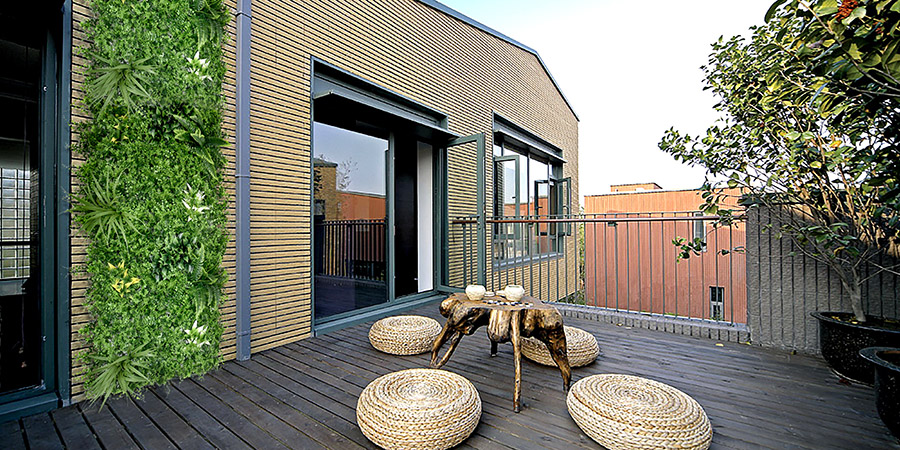
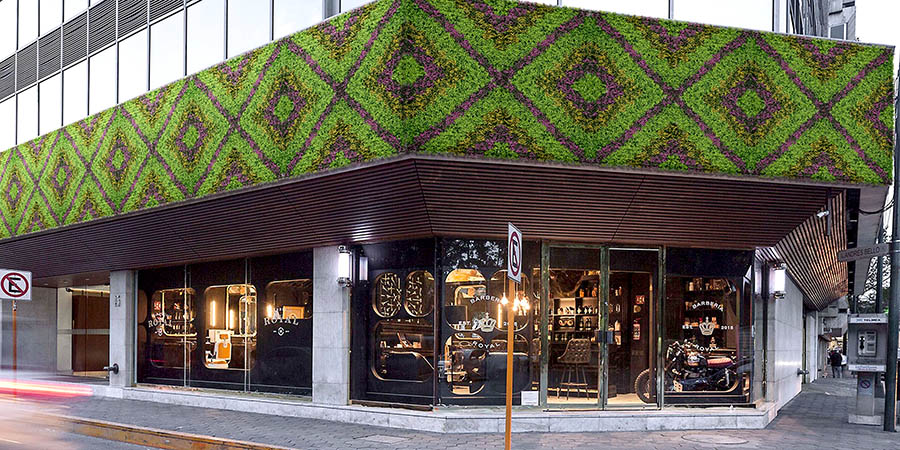
Artificial green walls provide instant visual impact and lush coverage without the maintenance requirements of living plants. Modern modular panels often combine multiple foliage varieties, creating a realistic appearance suitable for both residential and commercial projects.
Best applications:
- Patio feature walls
- Poolside landscapes
- Rooftop gardens
- Balcony screening
- Commercial façades
2. Artificial Hedges and Privacy Screens
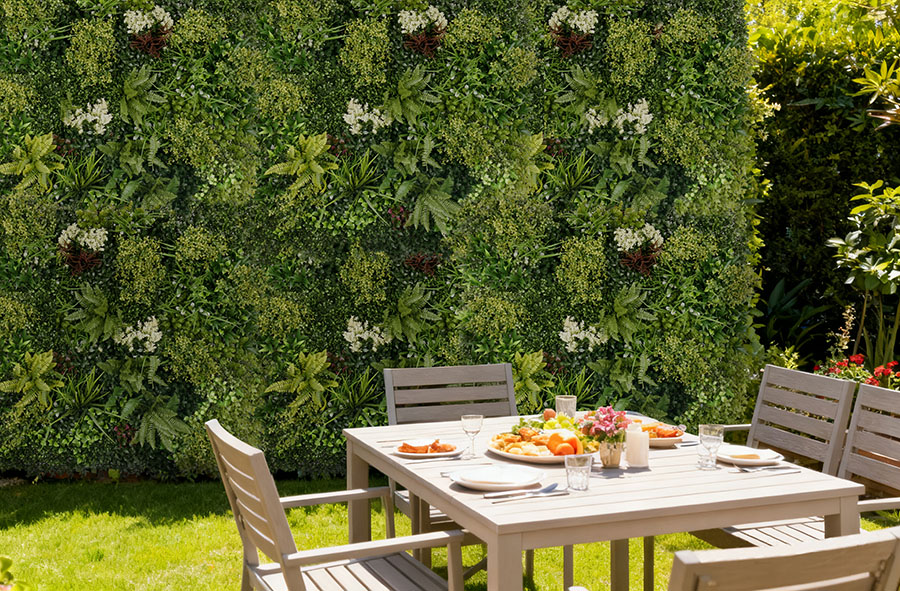
Artificial hedges create immediate privacy while maintaining a neat appearance throughout the year. Unlike natural hedges, they do not require trimming, watering, or seasonal maintenance, making them ideal for residential and commercial outdoor spaces.
Best applications:
- Property boundaries
- Outdoor dining areas
- Balcony privacy screens
- Garden partitions
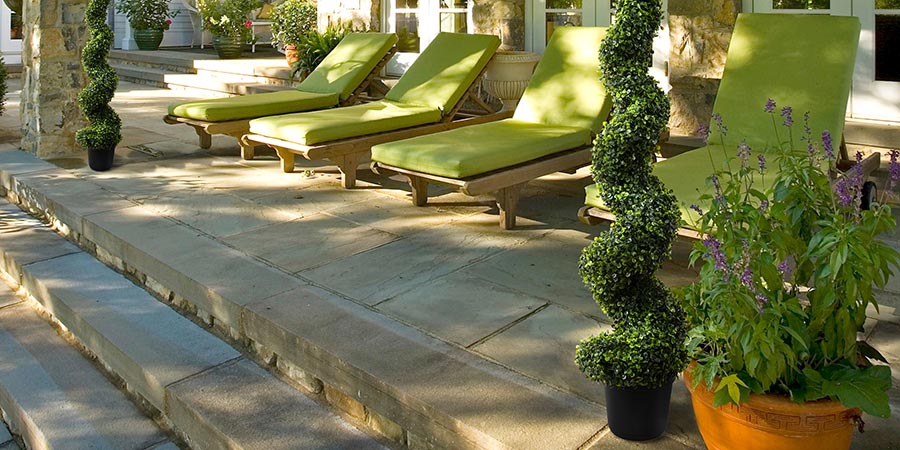
3. Artificial Topiary Trees
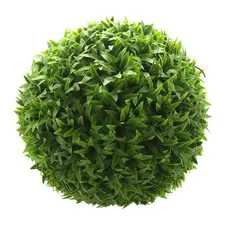
Artificial topiary trees add structure, elegance, and architectural interest to outdoor environments. Available in spiral, cone, and ball shapes, they create sophisticated focal points with minimal maintenance.
Best applications:
- Entranceways
- Courtyards
- Patio corners
- Hotel entrances
4. Artificial Hanging Plants
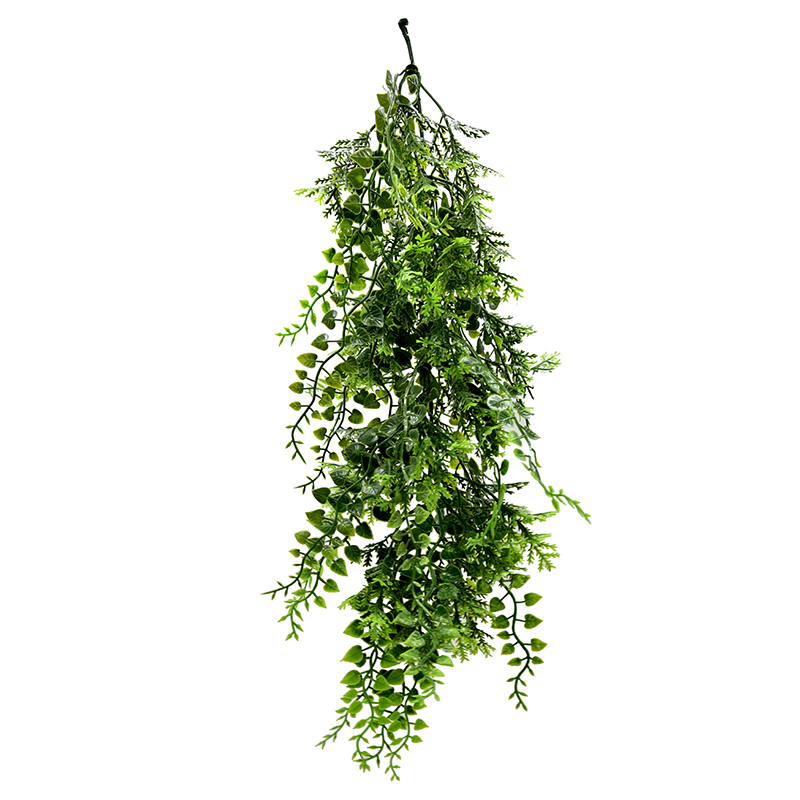
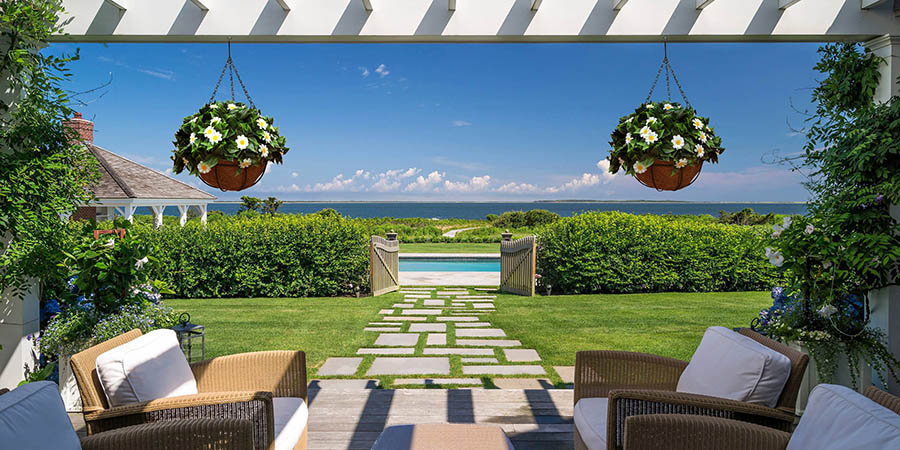
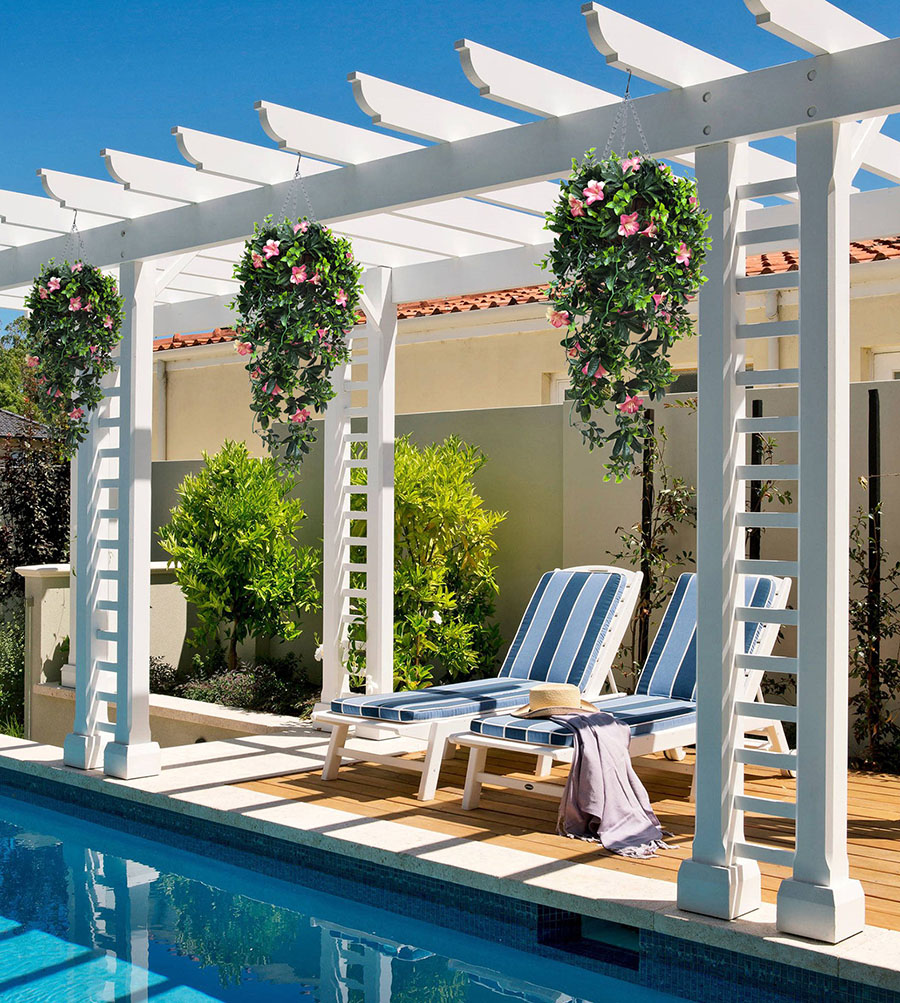
Artificial hanging plants offer cascading greenery without the watering requirements of live hanging baskets. Popular styles include ivy, eucalyptus, pothos, and flowering vines.
Best applications:
- Pergolas
- Gazebos
- Covered patios
- Balcony railings
How to Choose the Best Artificial Outdoor Plants
Selecting artificial outdoor plants involves more than choosing an attractive design. To ensure long-term performance and visual consistency in outdoor environments, it is important to evaluate key factors such as material quality, durability, and intended use.
Material and UV Protection
Durability starts with the right materials. High-quality artificial plants are typically made from virgin polyethylene (PE), which offers better flexibility, weather resistance, and long-term stability compared to recycled or fabric-based alternatives. In addition, built-in UV protection is essential to prevent fading and maintain color integrity under prolonged sunlight exposure.
Matching the Right Product to the Space
Different outdoor settings require different solutions. Green wall panels are ideal for large surface coverage and privacy screening, while artificial hedges are commonly used to define boundaries and create structured outdoor layouts. Topiary trees work well for entrances and focal points, and hanging plants are effective for enhancing vertical spaces such as pergolas and balconies.
Safety, Certification, and Commercial Use
For commercial and large-scale projects, product safety and compliance are critical. It is important to choose solutions that meet recognized standards for UV resistance, fire safety, and environmental compliance, ensuring suitability for public and high-traffic environments.
Visual Realism and Long-Term Value
Premium artificial plants should closely replicate the appearance of natural greenery through layered textures, natural color variation, and dense foliage structures. While lower-cost options may seem appealing initially, higher-quality products often deliver better long-term value by reducing replacement frequency and maintaining a consistent visual appearance over time.
Quick Buyer Checklist
Before making a final decision, ensure the product provides reliable outdoor performance, including UV resistance, durable PE construction, weather protection, strong structural backing, and appropriate safety certifications. A clear warranty or quality guarantee is also a strong indicator of long-term reliability.
Why Commercial Buyers Choose Artificial Outdoor Plants
Artificial outdoor plants have become increasingly popular across commercial sectors because they provide consistent visual appeal while reducing maintenance costs.
Hotels and Resorts: Artificial greenery creates welcoming outdoor spaces around entrances, swimming pools, patios, and rooftop lounges without requiring constant upkeep.
Restaurants and Cafés: Outdoor dining areas benefit from privacy screens, decorative hedges, and green walls that remain attractive throughout the year.
Shopping Malls and Retail Centers: Artificial plants help create inviting environments while eliminating maintenance disruptions in high-traffic areas.
Theme Parks and Entertainment Venues: Large-scale artificial landscaping solutions provide consistent aesthetics regardless of climate or seasonal changes.
Property Developers and Contractors: Artificial greenery can enhance project presentation, improve visual appeal, and reduce long-term landscape maintenance requirements.
Premium vs. Cheap Artificial Outdoor Plants
| Feature | Low-Grade Fake Plants | Premium Outdoor-Grade Plants |
|---|---|---|
| Material | Recycled Plastic or Fabric | 100% Virgin PE |
| UV Protection | Surface Spray Coating | Built-In UV Stabilizers |
| Fire Safety | None | Fire-Retardant Options Available |
| Weather Resistance | Limited | Designed for Outdoor Exposure |
| Expected Lifespan | Less Than 1 Year | 5–8+ Years |
While lower-cost products may appear similar initially, premium outdoor-grade artificial plants deliver significantly better performance over time.
Installation Tips for Outdoor Artificial Plants
Proper installation plays a key role in ensuring both the durability and realistic appearance of outdoor artificial plants. A well-planned setup not only improves stability but also enhances the overall visual integration with the surrounding environment.
Ensure Stability and Secure Fixing
For larger artificial plants and trees, stability should be the first consideration. Using heavy and solid planters such as ceramic, stone, or concrete helps prevent tipping caused by wind or external impact. For vertical installations like green wall panels, secure mounting systems should be used to ensure long-term structural safety and resistance to outdoor conditions.
Create a Natural-Looking Environment
The realism of artificial plants can be significantly improved by integrating them with natural materials. Elements such as wood, stone, gravel, or mulch help soften the artificial appearance and create a more cohesive and natural outdoor landscape.
Basic Maintenance and Long-Term Care
Although artificial plants require minimal upkeep, occasional maintenance helps preserve their appearance. Simple cleaning to remove dust and debris keeps the foliage looking fresh, while periodic inspections after severe weather conditions help ensure that all fixtures and mounting points remain secure over time.
Common Mistakes to Avoid
When selecting and installing artificial outdoor plants, certain common mistakes can significantly reduce both their durability and visual performance. Avoiding these issues helps ensure a longer lifespan and a more realistic outdoor appearance.
× Using Indoor Plants Outdoors
One of the most frequent mistakes is choosing indoor artificial plants for outdoor environments. These products are not designed to withstand prolonged exposure to sunlight, moisture, or temperature changes, which can quickly lead to fading and material degradation.
× Overlooking Safety Requirements
For commercial or public spaces, safety compliance should never be ignored. Artificial plants used in hotels, restaurants, retail areas, or other high-traffic environments should meet relevant fire safety and regulatory standards to ensure safe long-term use.
× Poor Installation Stability
Inadequate support structures, especially lightweight or unstable containers, can cause artificial plants to tip over in windy conditions. Proper weighting and secure installation are essential to maintain stability in outdoor environments.
× Focusing Only on Initial Cost
Choosing products based solely on price often results in lower durability and higher long-term replacement costs. Higher-quality artificial plants generally offer better performance, longer lifespan, and more consistent visual appeal over time.
Conclusion
The durability of artificial outdoor plants depends primarily on material quality, UV protection technology, and manufacturing standards.
When selecting outdoor greenery, prioritize products made from virgin polyethylene, tested for UV resistance, and supported by recognized safety certifications. Premium artificial outdoor plants can provide years of reliable performance while delivering the beauty of natural greenery without the ongoing maintenance requirements.
Whether enhancing a residential patio, commercial property, rooftop garden, hospitality venue, or public space, durable artificial outdoor plants offer a practical and long-lasting landscaping solution.
Frequently Asked Questions
How long do outdoor artificial plants last in direct sunlight?
Premium UV-resistant outdoor artificial plants typically last between 5 and 8 years in direct sunlight and often longer in partially shaded environments.
Do artificial outdoor plants fade in the sun?
High-quality artificial plants contain built-in UV inhibitors that significantly reduce fading. Premium products can maintain their appearance for many years under normal outdoor conditions.
Can artificial outdoor plants survive winter freezing and snow?
Yes. Outdoor-grade artificial plants made from virgin PE are designed to remain flexible and durable in freezing temperatures.
Are artificial outdoor plants waterproof?
Most outdoor artificial plants are water-resistant and designed to withstand rain, humidity, and snow exposure.
What are the best artificial plants for a patio?
Artificial boxwood hedges, topiary trees, hanging ivy, and artificial green wall panels are among the most popular patio solutions due to their durability and visual appeal.
What should I look for when buying artificial outdoor plants?
Focus on UV protection, virgin PE materials, weather resistance, fire-retardant options, realistic foliage, and recognized quality certifications to ensure long-term outdoor performance.