The 9 hardest houseplants to care for
 2026 05 18
It’s easy to fall in love with a houseplant at first sight—the sculptural leaves, the lush color, the way it instantly softens a space. But behind that beauty, some plants come with quiet demands that don’t always fit into everyday life.
Choosing the right houseplant isn’t just about style; it’s about finding something that fits naturally into your rhythm, your space, and your level of care. And as it turns out, many of the most popular indoor plants are also the most particular—sensitive to light, water, temperature, and even the smallest changes in their environment.
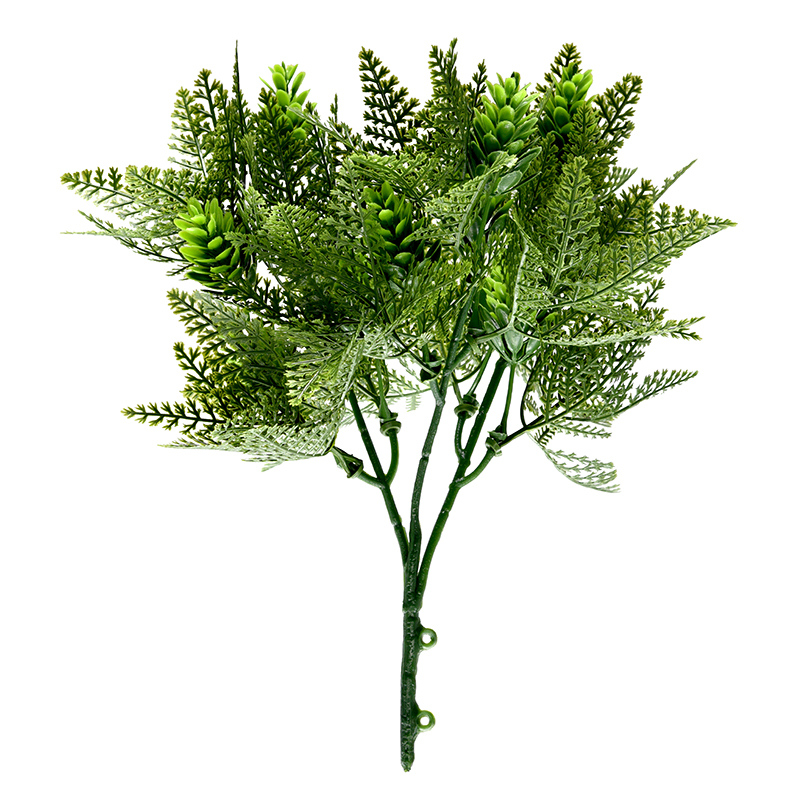
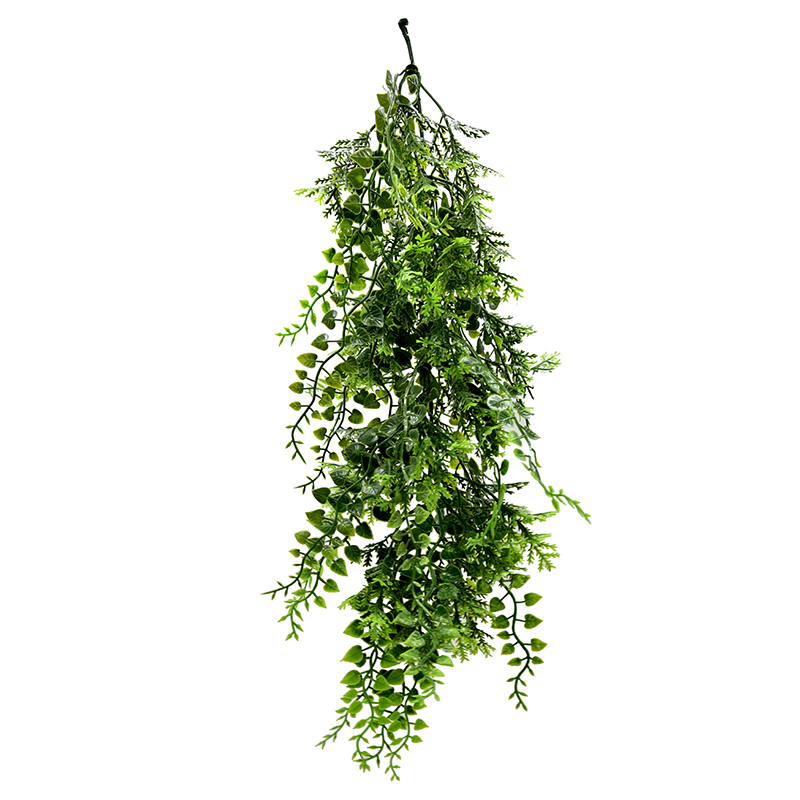
For those who love the look of greenery but prefer a calmer, more effortless approach, faux plants offer a gentle alternative. With today’s craftsmanship, they bring the same sense of life and texture—without the ongoing attention. No watering schedules, no shifting them from window to window—just a steady, evergreen presence that quietly enhances your space.
With that in mind, here’s a closer look at the 9 hardest houseplants to care for—and what makes them so demanding.
1. Orchids
Orchids are undeniably elegant, but they’re also known for being a little… particular.
These tropical beauties thrive only when their environment feels just right—warm, humid, and filled with soft, indirect light. Even the popular phalaenopsis orchid, often considered the “easier” option, requires a delicate balance. Too much water leads to root rot, too little leaves them dehydrated, and even the type of water matters—filtered or rainwater is often preferred.
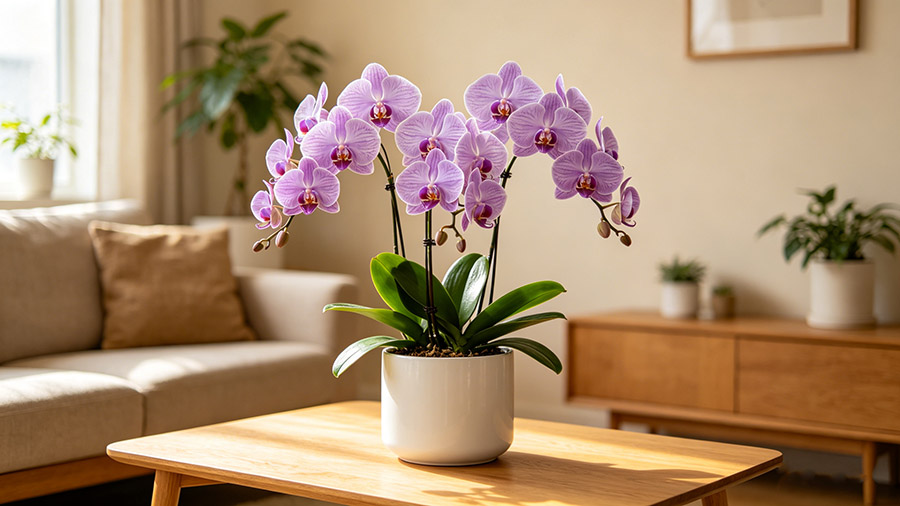
There’s also feeding, repotting with specialized compost, and navigating their natural resting periods when blooms disappear for weeks or even months. Beautiful, yes—but rarely carefree.
2. Miniature Rose
Miniature roses often arrive full of charm, covered in delicate blooms that feel almost too perfect. But once those flowers fade, keeping the plant healthy can be unexpectedly tricky.
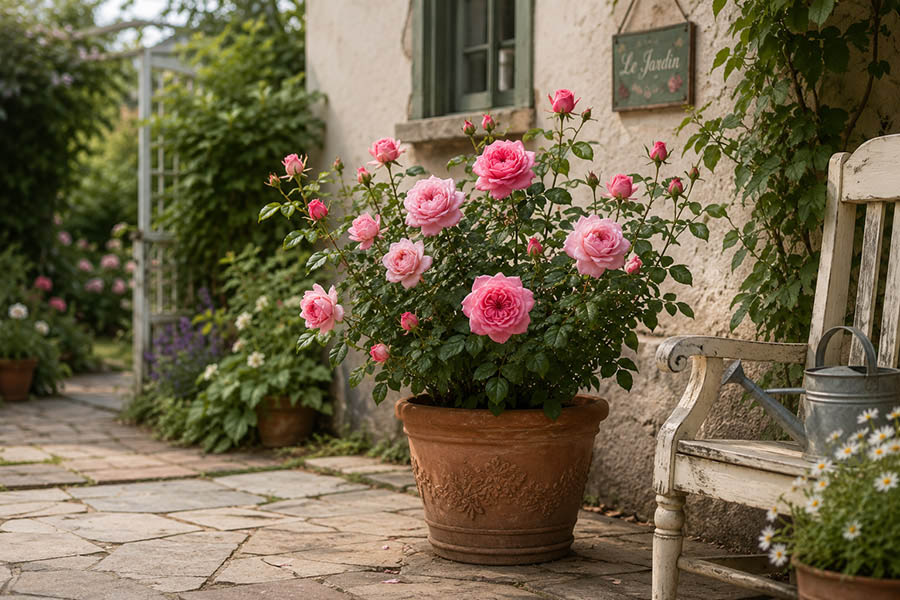
They crave long hours of direct sunlight—far more than most indoor spaces can comfortably provide. Without it, reblooming becomes unlikely, and the plant can quickly lose its vitality. They’re a lovely idea in theory, but not always suited to indoor life.
3. Bonsai
There’s something deeply calming about a bonsai tree—the artistry, the patience, the sense of time it represents. But that same artistry is what makes it so demanding.
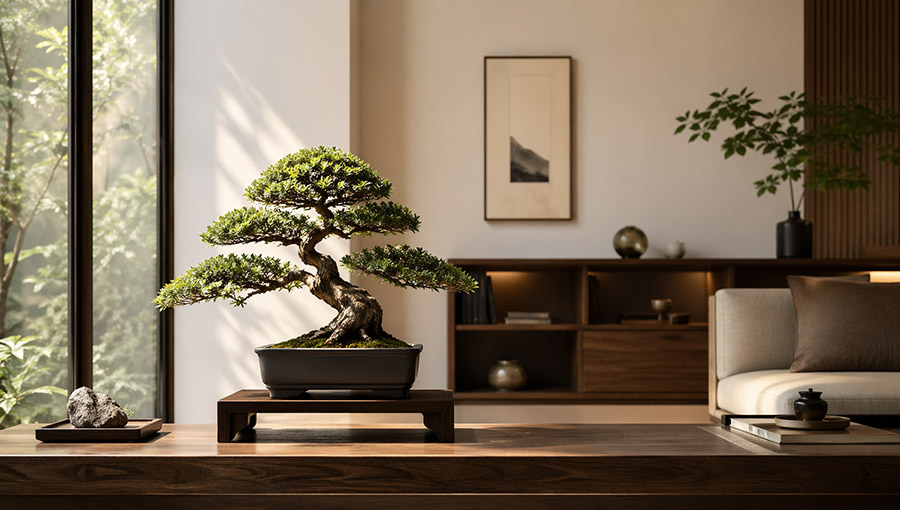
Bonsai care isn’t just watering a plant; it’s an ongoing practice. Their small containers hold limited nutrients and moisture, meaning they require careful, frequent attention. At the same time, overwatering is just as easy a mistake to make.
Every bonsai species has its own needs, and without understanding them fully, it’s easy for that miniature tree to lose its vitality.
4. Boston fern
Soft, feathery, and full of movement, the Boston fern brings a beautiful sense of freshness indoors—but it rarely thrives without effort.
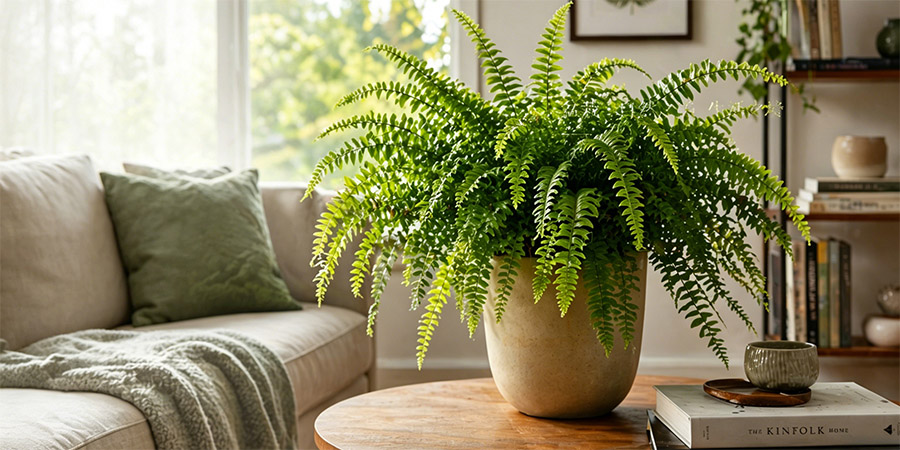
In nature, it grows in humid forests, surrounded by moisture-rich air. Indoors, recreating that environment can feel like a constant task—regular misting, careful placement, and protection from direct sunlight.
Even with the best care, it can shed leaves easily, leaving behind a trail of greenery that requires frequent tidying. For some, it’s a labor of love; for others, it can feel like a bit too much.
5. String of pearls
Delicate and trailing, the string of pearls has a unique, almost sculptural beauty. But it’s surprisingly easy to get wrong.
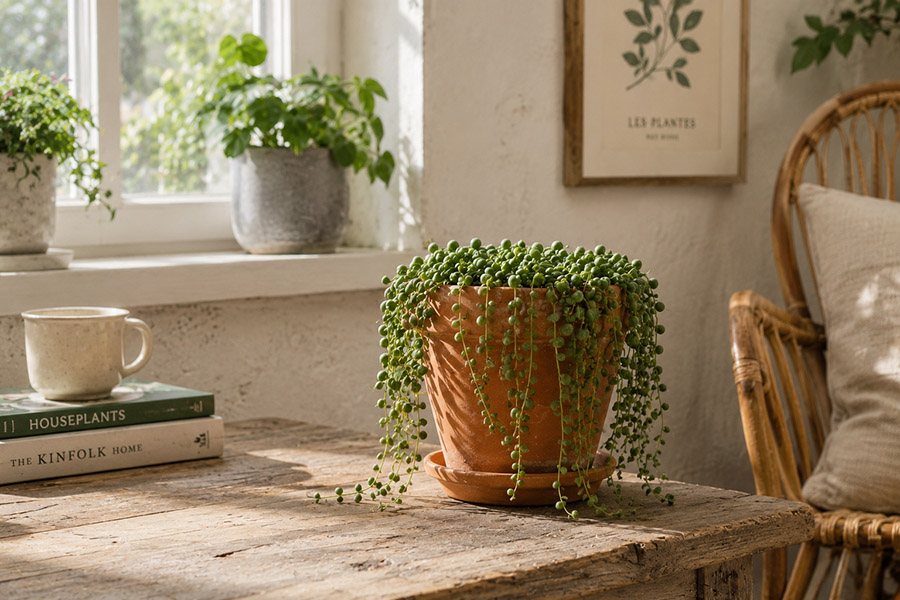
Like many succulents, it stores water in its leaves, meaning it prefers to dry out between watering. The challenge? It’s often overwatered out of concern, which quickly leads to root rot.
It also needs plenty of bright light to stay full and balanced—without it, the strands can become sparse and uneven. A subtle plant, but one that asks for just the right touch.
6. Monstera
The ever-stylish monstera is loved for its bold, glossy leaves and the way it brings a lush, sculptural feel into a room. Whether placed as a statement floor plant or allowed to gently trail from a shelf, it adds instant depth and greenery to a space.
While monsteras are often considered easy-going, they do have a few quiet expectations. They can tolerate lower light, but without bright, indirect sunlight, those iconic split leaves may never fully develop. They also thrive in warm, humid conditions, ideally between 18°C and 30°C, which can take a bit of effort to maintain indoors.
Naturally a climber, the monstera grows quickly and can become quite expansive over time. Guiding it up a moss pole or support helps keep its shape balanced and encourages healthier growth.
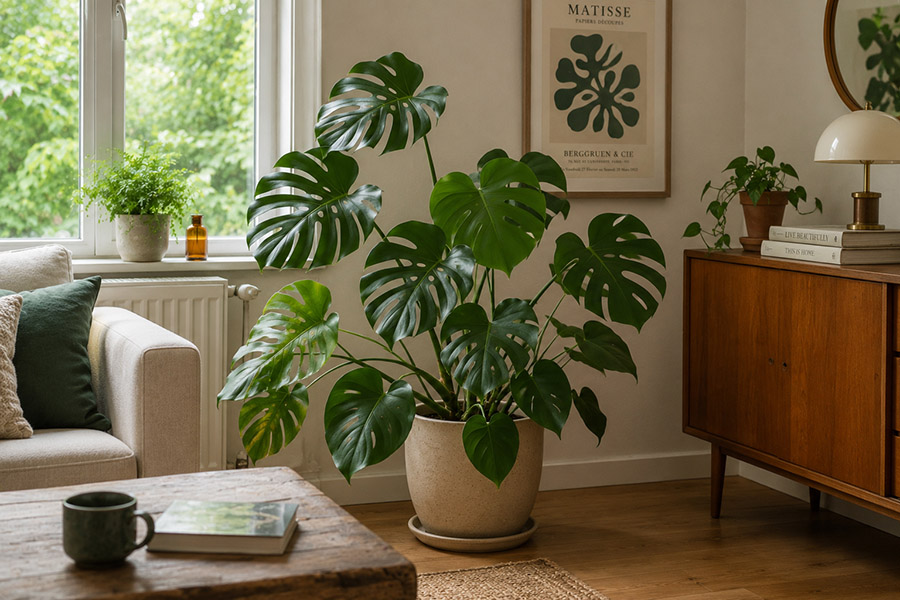
When its needs are met, it’s a truly rewarding plant—full, dramatic, and unmistakably tropical. But for those who prefer a more effortless approach, artificial monstera plants offer the same bold, leafy presence without the upkeep, staying perfectly shaped and vibrant all year round.
7. Fiddle leaf fig
Few plants make a statement quite like the fiddle leaf fig. Its large, sculptural leaves bring a calm, modern elegance to any room.
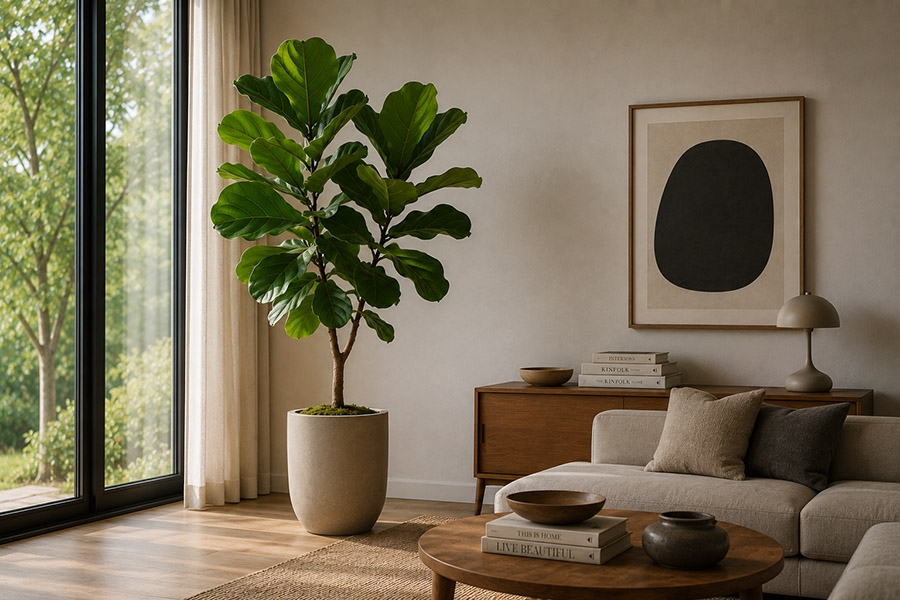
But beneath that simplicity lies a plant that notices everything. Too much water, too little water, dry air, sudden temperature changes—it reacts quickly and often dramatically.
Keeping it happy means maintaining a careful balance of humidity, light, and consistent care. When it thrives, it’s beautiful. When it doesn’t, it can be frustratingly sensitive.
8. Olive tree
Despite their popularity indoors, olive trees don’t always settle easily into home life. Their roots trace back to the Mediterranean, where long, sun-drenched days in places like Italy and Greece give them exactly the conditions they love—something that’s not always easy to recreate indoors.
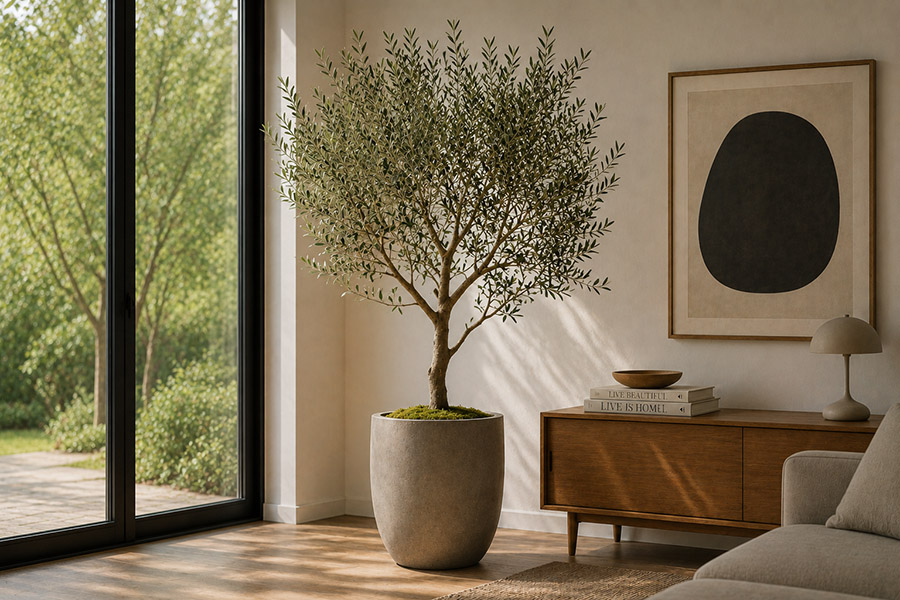
Inside the home, light becomes the biggest challenge. Even the brightest rooms often fall short of the hours of direct sunlight an olive tree naturally thrives on, which is why they can gradually lose their vitality over time.
If you do choose to grow one indoors, placement becomes everything. A sun-filled corner or conservatory can help during the warmer months, offering the warmth and brightness they crave. As temperatures drop, though, they’ll need a carefully chosen, sheltered spot to stay comfortable through winter.
For a more effortless approach, faux olive trees offer the same soft, timeless elegance without the need to manage light, warmth, or watering. They bring that relaxed Mediterranean feel into any space—bright or dim—making it easy to enjoy the look without the ongoing care.
9. Banana Plant
Lush and tropical, the banana plant instantly creates a sense of escape. But maintaining that look indoors is no small task.
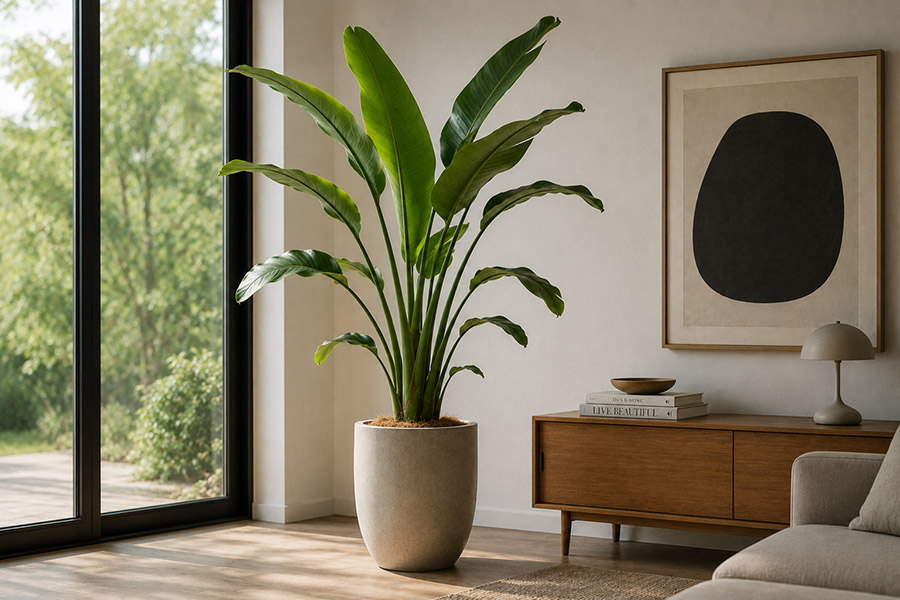
It needs high humidity, consistent warmth, and plenty of sunlight—conditions that are difficult to sustain, especially during colder months. Dry indoor air and lower temperatures can quickly affect its health, making it one of the more challenging plants to grow successfully inside.
A Softer Alternative: The Beauty of Going Faux
Looking across these plants, there’s a clear pattern: the ones we love most are often the ones that ask the most from us.
That doesn’t mean you have to give them up entirely. For those who enjoy the process of plant care, the learning curve can be part of the joy. But for many, time and consistency aren’t always easy to maintain.
This is where faux plants quietly step in.
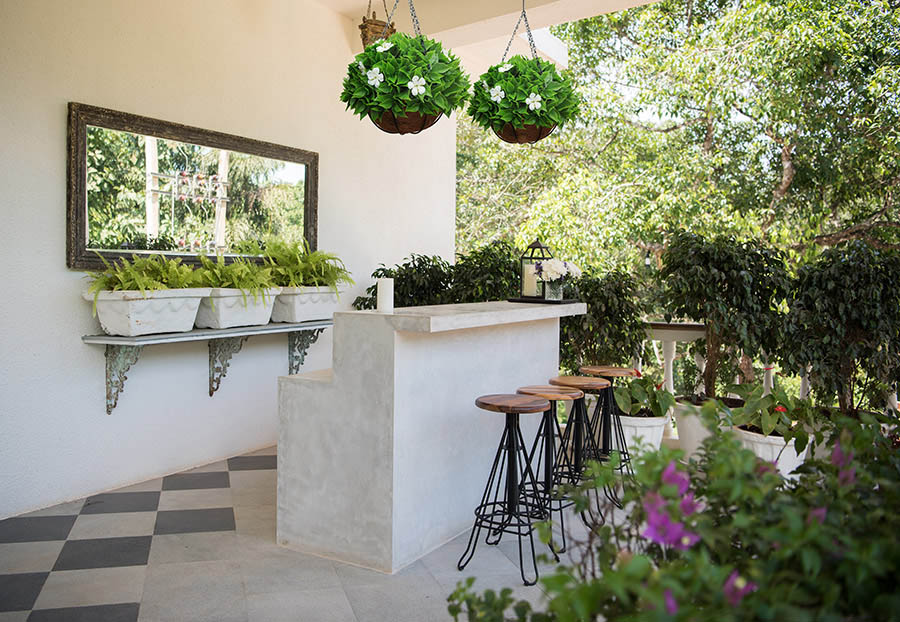
They offer the same visual calm—the layered greens, the organic shapes, the way a space feels more alive—without the constant upkeep. They don’t fade with the seasons, they don’t outgrow their space, and they don’t ask for perfect conditions.
And if you still prefer something living but low-maintenance, options like snake plants or spider plants can be a gentler place to start.
For more information on finding your perfect faux, check out our article: Best Artificial Plants for Interior Design in 2026 (Trends, Ideas & Expert Guide)
In the end, it’s not about choosing real or faux—it’s about creating a space that feels good to live in. Greenery should bring ease, not pressure.