Best Artificial Plants for Interior Design in 2026 (Trends, Ideas & Expert Guide)
 2026 03 23
Artificial plants have evolved into a central element of interior design in 2026. Rather than acting as simple decorative accents, they are now widely used to shape spatial atmosphere, define structure, and introduce a sense of calm through greenery.
As demand grows for low-maintenance indoor greenery, biophilic design solutions, and flexible interior styling, designers and commercial buyers are increasingly turning to artificial plants that deliver consistent visual impact without environmental limitations.
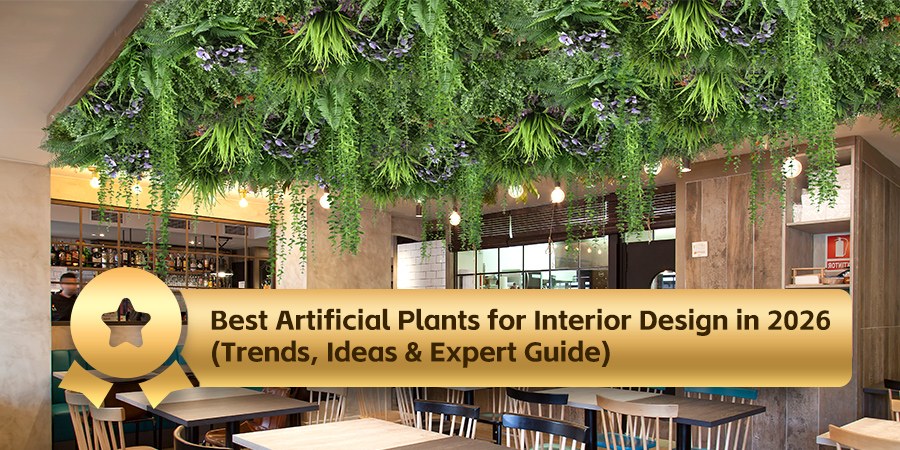
For design professionals, artificial plants are no longer just an aesthetic choice—they are a strategic solution for modern interiors, especially in projects where performance, durability, and visual consistency matter.
Why Artificial Plants Continue to Dominate Interior Design
The continued rise of artificial plants is closely tied to the changing needs of modern spaces. Interior environments today are more controlled, more functional, and often less suited to natural plant growth. Limited natural light, air conditioning, and high foot traffic all create conditions where real plants struggle to survive or require ongoing maintenance.
Artificial plants solve these challenges by offering a stable and predictable alternative. They maintain their appearance year-round, regardless of lighting or climate conditions, and eliminate the need for watering, pruning, or replacement cycles. This is particularly important in commercial environments such as offices, hotels, retail stores, and showrooms, where consistency and operational efficiency are key.
Beyond practicality, the improvement in manufacturing techniques has significantly enhanced realism. Today’s artificial plants feature natural color gradients, detailed leaf textures, and organic growth patterns, allowing them to blend seamlessly into both minimalist and highly styled interiors. This balance between aesthetics and function is what makes them a preferred choice among designers.
Interior Design Trends 2026: A Shift Toward Controlled Naturalism
Interior design in 2026 reflects a growing desire to reconnect with nature while maintaining clean, structured spaces. This has led to a design direction often described as “controlled naturalism,” where greenery is used intentionally rather than abundantly.
Instead of filling spaces with excessive decoration, designers are carefully selecting where and how greenery is introduced. Artificial plants play a key role in this approach because they allow precise placement without concerns about light, growth, or long-term care.
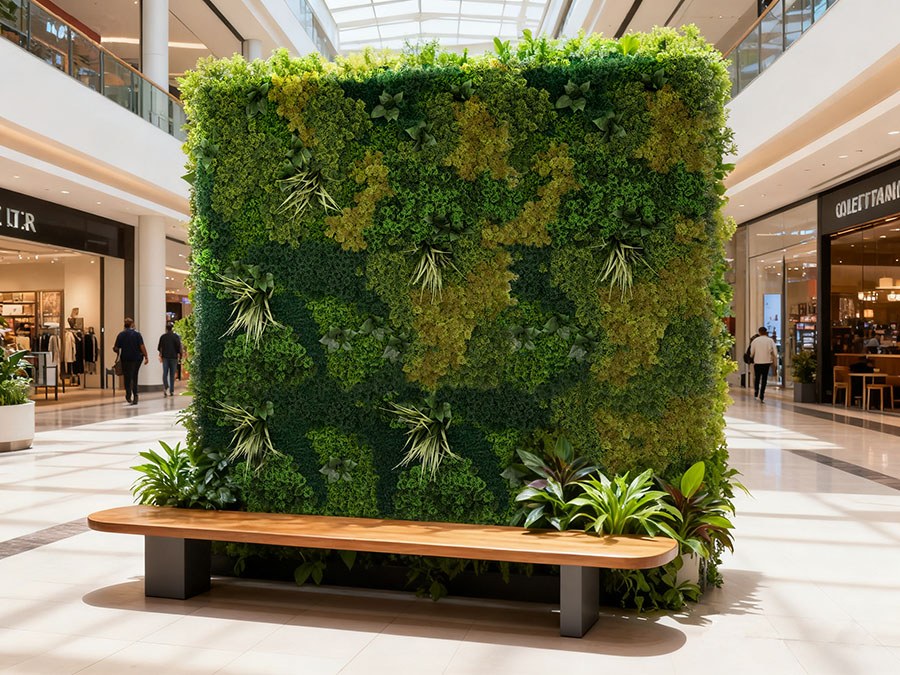
Large feature elements, vertical greenery, and subtle plant accents are all being used to create contrast against neutral tones and architectural lines. At the same time, there is increasing attention on how greenery contributes to well-being, making it an important component in both residential and commercial interiors.
Key Types of Artificial Plants in 2026
To better understand how artificial plants are used across different projects, the following table outlines the most in-demand categories, along with their typical applications and design value:
| Type of Artificial Plant | Common Applications | Design Function | Key Advantages |
|---|---|---|---|
| Real-Touch Plants | Showrooms, high-end interiors | Provide close-up realism | Natural feel, premium appearance |
| Large Artificial Trees | Hotel lobbies, offices, atriums | Create focal points, add height and structure | No maintenance, consistent shape, customizable |
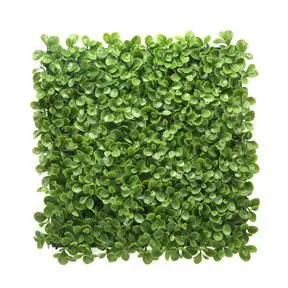
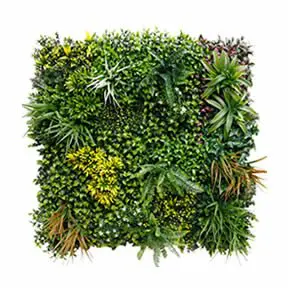
| Artificial Green Walls | Reception areas, retail, offices | Enhance biophilic design, cover large surfaces | Space-saving, scalable, high visual impact |
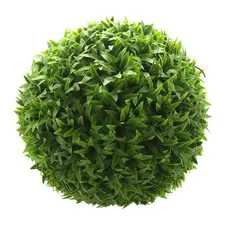
| Small Faux Plants | Desks, shelves, apartments | Add subtle detail and warmth | Flexible placement, easy styling |
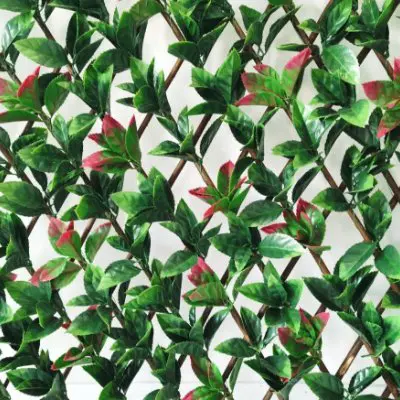
| UV-Resistant Plants | Outdoor terraces, façades | Extend greenery to exterior spaces | Fade-resistant, weather durable |
This structured approach allows designers and buyers to select the right type of greenery based on project scale, function, and environmental conditions, rather than relying on purely aesthetic decisions.
1. Real-Touch Artificial Plants: Raising the Standard of Realism
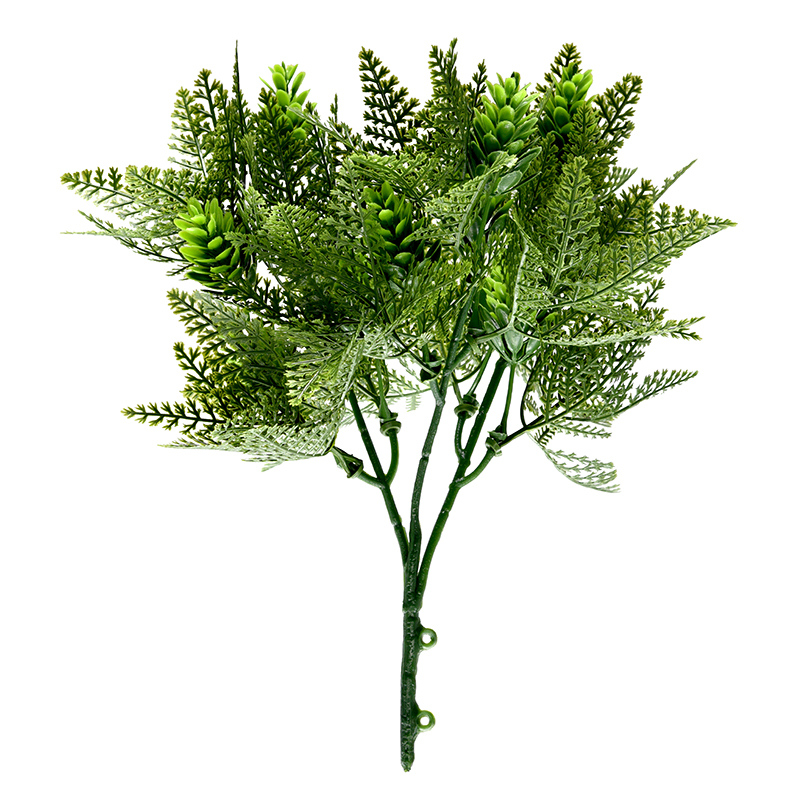
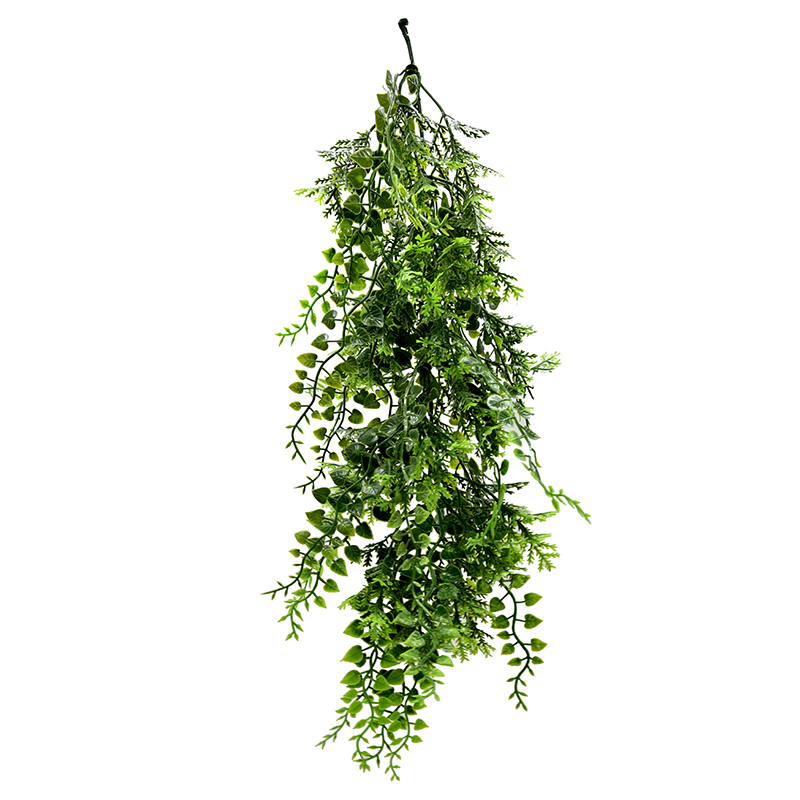
One of the most significant developments in recent years is the rise of real-touch artificial plants. These products are designed not only to look realistic from a distance but also to feel natural when viewed up close, making them especially suitable for high-end interior applications.
With advanced materials and manufacturing techniques, real-touch plants replicate the softness, texture, and subtle imperfections found in natural foliage. This level of detail is particularly valuable in spaces such as reception areas, hospitality environments, and showrooms, where users interact closely with the design elements.
As expectations for realism continue to increase, real-touch plants are becoming the preferred option for designers who want to achieve a premium look without relying on live greenery.
2. Large Artificial Trees as Architectural Elements
In large interior spaces, greenery is no longer treated as decoration but as part of the architectural composition. Large artificial trees are increasingly used to define zones, guide movement, and create visual anchors within open-plan environments.
Trees such as olive, fiddle leaf fig, and bird of paradise are especially popular because of their recognizable forms and strong visual presence. When placed strategically, they can soften hard architectural lines while introducing height and proportion to a space.
Custom-built artificial trees offer additional flexibility, allowing designers to adjust dimensions, canopy density, and overall form to match specific project requirements. This makes them particularly suitable for commercial interiors where standard sizes may not meet design expectations.
3. Artificial Green Walls and the Growth of Biophilic Design
Biophilic design continues to influence interior trends, and artificial green walls have emerged as one of the most effective ways to implement this concept at scale. By covering vertical surfaces with dense, layered foliage, green walls introduce a strong visual connection to nature without occupying floor space.
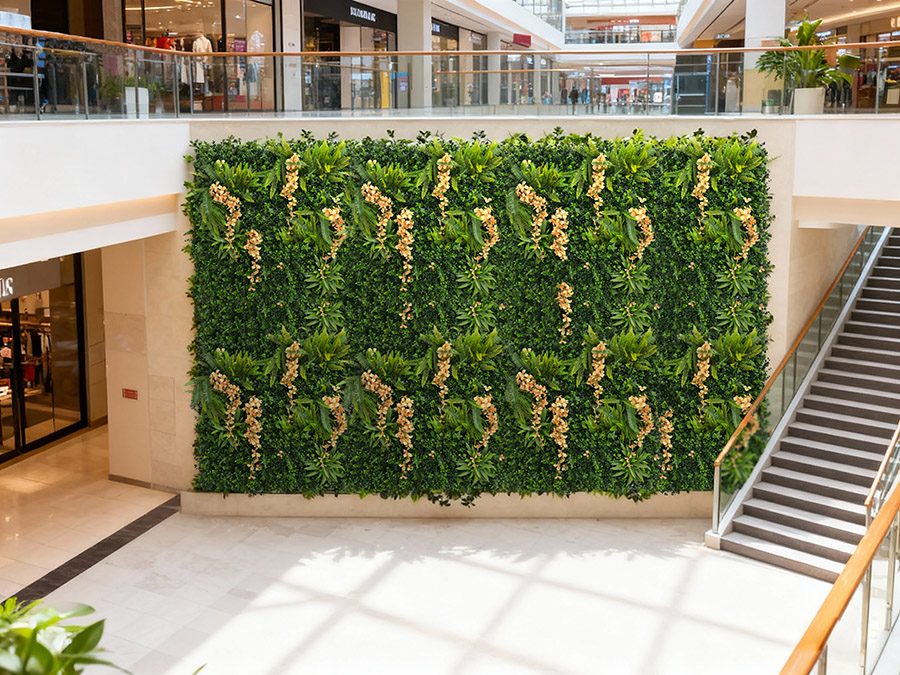
These installations are commonly used in reception areas, feature walls, and branded environments where visual impact is essential. They help soften architectural rigidity, improve perceived comfort, and create memorable spatial experiences.
From a practical perspective, modular green wall systems allow for easy customisation and installation. They can be adapted to different wall sizes and configurations, making them a flexible solution for both small and large projects.
4. Small Artificial Plants for Detail and Styling
While large installations attract attention, smaller artificial plants play an equally important role in completing a space. They are often used to add layers of detail, especially in minimalist interiors where every element needs to feel intentional.
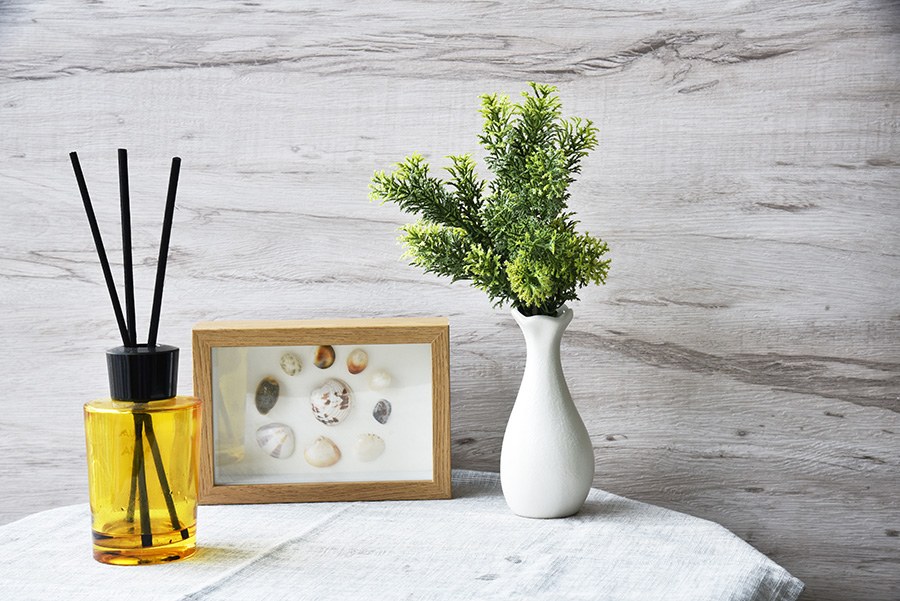
Placed on desks, shelves, or countertops, small faux plants introduce texture and warmth without overwhelming the design. They are particularly effective in styles such as Scandinavian and Japandi, where simplicity and balance are key.
Their portability and ease of use also make them ideal for projects that require frequent updates or flexible layouts, such as showrooms and rental properties.
5. Durability, UV Resistance, and Long-Term Value
As artificial plants become more widely used in commercial and outdoor environments, durability has become a critical consideration. Buyers are increasingly focused on how products perform over time, especially in spaces exposed to sunlight or varying weather conditions.
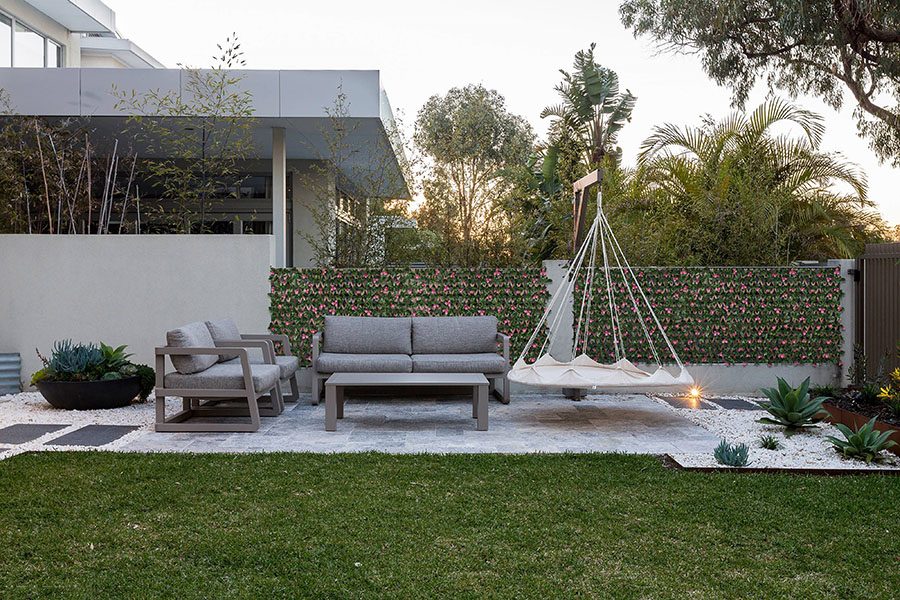
UV-resistant artificial plants are designed to retain their color and structural integrity even when used outdoors. This makes them suitable for applications such as rooftop terraces, outdoor dining areas, and building façades.
In addition to performance, long product lifespan contributes to sustainability by reducing the need for frequent replacements. For commercial buyers, this translates into lower long-term costs and more consistent visual standards across multiple projects.
Why EdenVert Is a Preferred Partner for Designers and Buyers
EdenVert positions itself as a solution provider rather than just a product supplier. By working closely with interior designers, contractors, and wholesalers, the company delivers artificial plant solutions that are tailored to specific project requirements.
From modular green wall systems to custom artificial greenery and bulk supply options, each project is approached with a focus on both design intent and practical execution. This includes support in product selection, customization, and efficient delivery timelines.
Such an approach is particularly valuable in commercial projects, where coordination, reliability, and consistency are essential for successful outcomes.
Conclusion: Artificial Plants as a Strategic Design Investment
In 2026, artificial plants are no longer an alternative to real greenery—they are a strategic design tool that enables greater flexibility, consistency, and creative control.
Whether used as large-scale installations or subtle decorative elements, they help shape modern interiors in a way that aligns with both aesthetic trends and practical requirements.
For designers and commercial buyers looking to create impactful, low-maintenance spaces, artificial plants offer a solution that is both visually compelling and operationally efficient.
Looking for Artificial Plant Solutions for Your Next Project?
EdenVert provides a wide range of artificial plant solutions designed for interior design, commercial projects, and bulk supply needs.
From green walls and statement trees to detailed decorative plants, each product is developed to meet the demands of modern interiors.
Contact the team to explore customized solutions, request product details, or discuss project requirements.