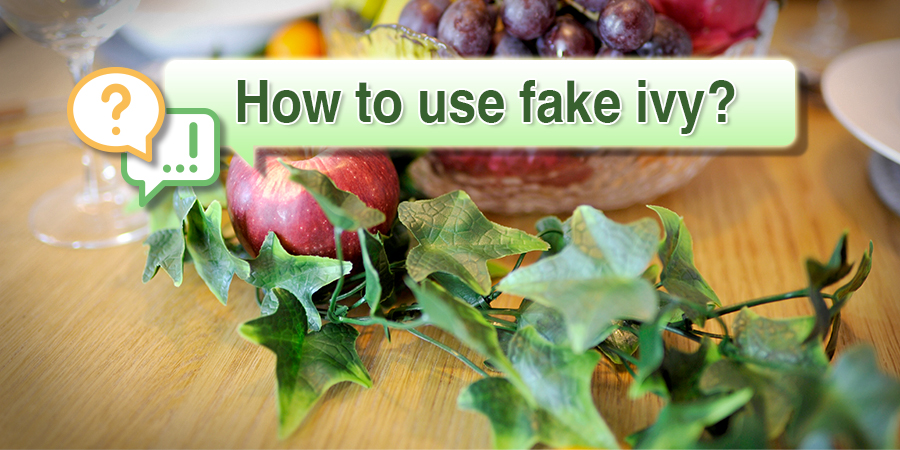
How to use fake ivy?
 2025 12 18
Ivy has always carried a calm, confident charm. It softens walls, frames windows, and brings a quiet sense of age to any surface it climbs. Real ivy is undeniably beautiful. But it grows slowly, spreads unpredictably, and requires ongoing care. These limitations have paved the way for fake ivy to rise beyond a mere substitute. Today, fake ivy is its own design category, transforming a symbol of endurance into a flexible, low-maintenance tool for modern interiors and exteriors.
What is the purpose of fake ivy?
Its purpose is simple. Fake ivy brings the calm and color of greenery to places where real ivy cannot thrive.
Apartments rarely offered outdoor walls for climbing vines. Offices needed greenery without the hassy of soil, sunlight or water. Event planners wanted the romantic feel of living plants without worrying that they would wilt halfway. Fake ivy filled these gaps perfectly.
It softens rigid interiors, adds instant texture, and creates a sense of calm. It also gives users full control. Real ivy follows its own rules, but fake ivy follows yours. You can choose the density, adjust the length, and shape the vine to match your space. It works in dim corners, narrow hallways, private balconies, and busy living rooms. It can stay in place for years or be rearranged overnight.
How to make fake ivy look good?
Place fake ivy where real ivy would naturally grow: draped along shelves, framing mirrors or picture frames, or cascading from higher points such as cabinets or wall hooks. The more believable the placement, the more realistic the effect.
You can also elevate the look by pairing the ivy with natural textures. Elements like wood, stone, rattan, and matte metals help the greenery blend into the environment. Soft, warm lighting is another subtle trick—gentle illumination reduces harsh shadows and gives the leaves a more lifelike depth.
In one word, focus on creating soft, flowing shapes that mimic the relaxed movement of real vines. Avoid stiff lines, harsh angles, or bunching the strands together—crowding the space will make the ivy look artificial.
How to decorate with fake ivy?
Once you understand how to make fake ivy look natural, decorating becomes the fun part. Fake ivy vines are versatile and work almost anywhere in a home. If you need ideas, here are six practical ways to do with the fake ivy.
1. Create an Instant Privacy Screen
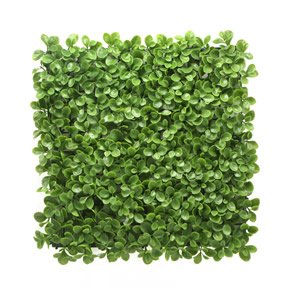
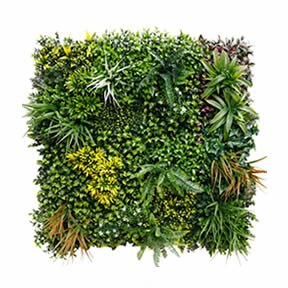
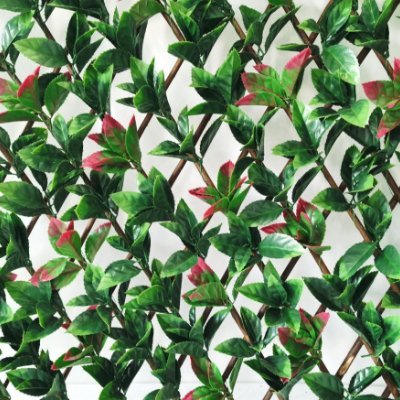
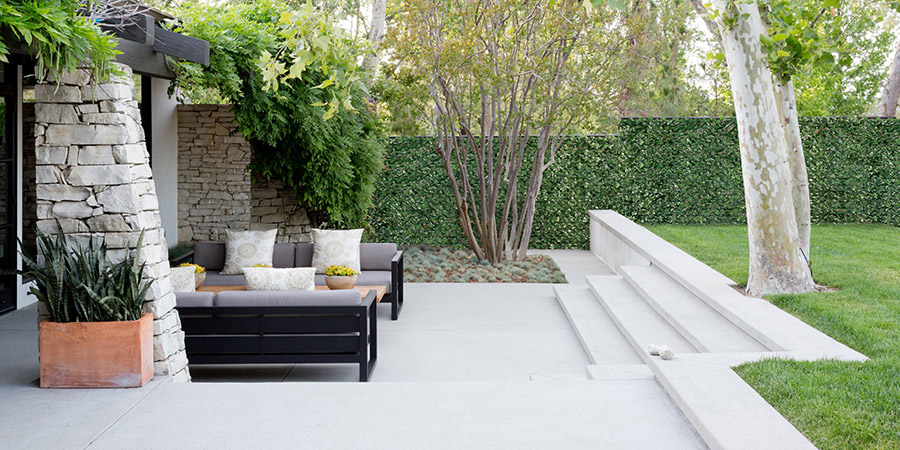
Fake ivy fence panels—made with densely packed artificial ivy leaves—offer a quick, low-maintenance way to block unwanted views.
Attach them to an existing fence to create an instant privacy screen, or use them as a decorative feature in your garden to complement natural greenery. They’re equally effective on patios, porches, and balconies, and can even help reduce noise.
1. Wrap Ivy Around Columns
If you don’t have the space for a full greenery installation, integrate ivy into the structures you already have. Columns—whether on porches, patios, or even indoors—make perfect vertical canvases.
Start by securing the vine at the top, then gently spiral it down to the base. This technique works beautifully on columns of any size and becomes even more magical when paired with delicate string lights.
2. Hang Ivy for Cascading Greenery
Fake ivy is also perfect for creating beautiful hanging arrangements indoors and outdoors. Use long ivy strands to create a cascading, eye-catching display that adds depth and movement to your space.
Place the ivy in decorative hanging baskets or planters and suspend them from beams, ceilings, or wall hooks. Choose sleek white or black planters for a modern aesthetic, or woven baskets for a rustic feel. Artificial vines offer greenery without any upkeep.
3. Craft a Seasonal Ivy Wreath
Transform your space with a beautiful, customizable ivy wreath that can be refreshed for every season. This easy and rewarding DIY project is perfect for your front door, mantel, or as a festive centerpiece.
Step 1: Choose Your Base
Start with a sturdy foam or wire base, readily available at most craft stores. This will form the foundation of your wreath and support your ivy and seasonal decorations.
Step 2: Add the Ivy
Gather artificial ivy garlands and attach them to the base. You can use hot glue for a secure hold or simply wrap the ivy strands around the frame. Make sure to tuck in any loose ends and cover the entire base evenly. A fully covered base ensures a lush, polished appearance that looks professional and inviting.
Step 3: Refresh with Seasonal Accents
Once the ivy is in place, you can easily switch out seasonal decorations to keep your wreath fresh all year long:
- Spring: Brighten your wreath with artificial tulips, daffodils, or pastel-colored bows for a cheerful, lighthearted look.
- Summer: Add vibrant faux sunflowers, daisies, or lush greenery to capture the warmth and energy of the season.
- Autumn: Embrace cozy fall vibes by incorporating berries, pinecones, or miniature decorative pumpkins.
- Winter: Create a festive holiday display with red berries, pine sprigs, and seasonal ribbons for a warm, welcoming touch.
With a little creativity, your ivy wreath becomes a versatile centerpiece that evolves with the seasons, bringing beauty and charm to your home year-round.
4. Design an Eye-Catching Ivy Backdrop
For weddings and special events, create a large ivy-covered backdrop panel to use as a ceremony arch or photo booth background. It’s easier than it sounds—many people successfully build them with just a few YouTube tutorials. Add artificial flowers, stems, or lights to match your theme.
For parties or home décor, consider wire wall art and wrap faux ivy around the shapes. This makes a great focal point above dessert tables, gift stations, or even in everyday living spaces.
5. Style Shelves With Ivy Accents
Last but not least, elevate your space by adding greenery. Drape short strands along the shelf edges and let them flow naturally. Weave the vines among books, frames, and décor pieces to pull everything together visually.
The type of ivy you choose can subtly influence the look of the room. Sleek, clean leaves create a modern feel, while looser, wilder vines add cottage-style charm. No matter the style, this simple trick works in any room and gives your space a cohesive finish.
Does artificial ivy fade in sunlight?
In short, yes—artificial ivy can fade when exposed to sunlight, particularly if it’s made from lower–quality materials.
Sunlight contains UV radiation, which breaks down the pigments used in faux leaves and flowers. Over time, this causes the greenery to lose its vibrant color. Cheap artificial plants are the most vulnerable because they typically lack UV-resistant materials and coatings. Many begin to fade in just a few months, leaving behind dull, brittle foliage.
However, not all artificial plants are created equal. High–quality, fade-resistant plants are designed with built-in UV protection—either through specialized manufacturing materials or surface treatments that prevent sun damage. These are far better suited for outdoor or bright indoor spaces and are significantly more durable over time.
When shopping for artificial plants—especially for outdoor use—it’s important to look beyond the price tag. Always check whether the product includes UV protection and ask about the expected lifespan.
EdenVert’s products pass the UV 5000H test to ensure they resist degradation from harsh sunlight. We also offer warranties of 10+ years for indoor use and 5–8 years for outdoor environments, giving you confidence that your investment will stand up to long-term exposure to the elements.
How to clean fake ivy?
1. Dusting Tips
Dust will accumulate over time, especially if your ivy is placed near windows, vents, or outdoor areas. A simple monthly dusting can prevent buildup and keep the leaves looking lifelike.
- Tools to Use: A soft cloth, microfiber duster, or feather duster works best. Microfiber cloths are particularly effective because they trap dust rather than just moving it around.
- Technique:Gently wipe each leaf and stem, being careful not to tug or pull too hard, which could loosen the vines from their supports. For longer strands, it can help to dust from top to bottom to avoid dislodging leaves.
- Tip: If your ivy is outdoors or in high-dust areas, you may need to dust more frequently—every two weeks or so—to prevent accumulation.
2. Deep-Cleaning Methods
Over time, dusting alone may not be enough, especially for ivy that is exposed to cooking oils, smoke, or outdoor pollution. Deep-cleaning helps restore the natural shine and color of your artificial greenery.
- Preparation: Fill a basin or sink with lukewarm water and add a small amount of mild soap or dish detergent. Avoid harsh chemicals, as they can damage the leaves or stems.
- Cleaning Process: Submerge the ivy or wipe each leaf individually with a soft sponge or cloth dipped in the soapy water. Gently scrub any areas with stubborn dirt or residue.
- Rinsing: Rinse thoroughly with clean lukewarm water to remove all soap. Avoid soaking for extended periods if your ivy has wire stems, as this could cause rusting over time.
- Drying: Shake off excess water and lay the ivy flat or hang it in a well-ventilated area to air dry completely. Ensure the ivy is fully dry before rehanging to prevent mold or mildew from forming.