Do fake plants look cheap?
 2026 02 28
Do fake plants look cheap? It’s one of the most common questions homeowners and interior designers ask when considering artificial greenery. Everyone loves the calming effect of nature indoors—but not everyone has the time, light, or resources to maintain living plants.
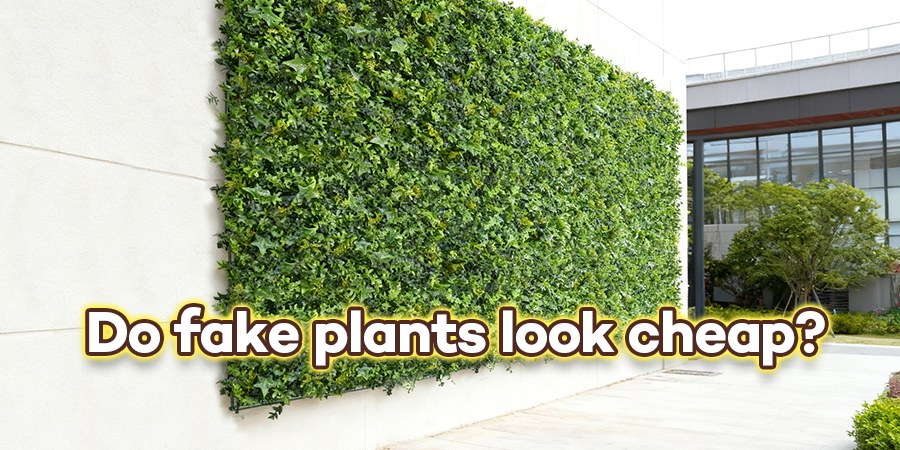
The truth is simple: fake plants don’t look cheap—poor-quality ones do.
With the right materials, craftsmanship, and thoughtful styling, today’s high-end artificial plants can feel warm, elegant, and beautifully natural in any space.
What Actually Makes Fake Plants Look Cheap?
Fake plants tend to look inexpensive when they’re:
- Made from shiny, neon-toned plastic
- Designed with stiff stems and overly uniform leaves
- Finished with visible mold lines or obvious seams
- Placed in pots with exposed foam or artificial filler
These details are instantly noticeable. They break the illusion and can disrupt an otherwise well-designed interior.
On the other hand, premium faux plants are often so realistic that you can’t tell the difference at first glance. In commercial lobbies, hospitality spaces, retail environments, and thoughtfully styled homes, they blend in seamlessly—bringing greenery without maintenance worries.
The Evolution: From “Plastic” to “Hyper-Realistic”
Artificial plants have come a long way.
After World War II, mass production and new synthetic materials made faux plants affordable and accessible. By the 1980s and 1990s, however, design trends shifted toward authenticity, and artificial greenery gained a reputation for looking “cheap.”
Everything changed in the early 2000s.
Advances in materials, manufacturing precision, and botanical design transformed fake plants into highly realistic design elements. Today, high-end faux greenery is widely used in luxury residences, corporate offices, hotels, shopping centers, and large-scale commercial installations—especially in spaces with limited light or irrigation access.
What Makes Today’s Artificial Plants So Life-Like?
Today’s premium artificial plants are carefully engineered to replicate nature in remarkable detail. The difference lies in craftsmanship and material quality.
1. Premium Materials
High-end artificial plants are made from polyethylene, polyester, rubber, UV-resistant polymers, and various silk blends. These materials replicate the softness, subtle sheen, and structure of real leaves.
2. Accurate Color Variation
Real plants aren’t one solid shade of green—and neither are quality faux botanicals. Subtle gradients, veining, and tonal variation make the greenery feel authentic and alive.
3. Natural Movement
Well-crafted artificial plants are designed with flexible stems and layered foliage that mimic the organic flow of real leaves, especially in open-air or semi-outdoor environments.
4. Handcrafted Detailing
Luxury artificial greenery is often assembled and arranged by hand. Each branch and leaf is positioned intentionally to create depth and a natural silhouette.
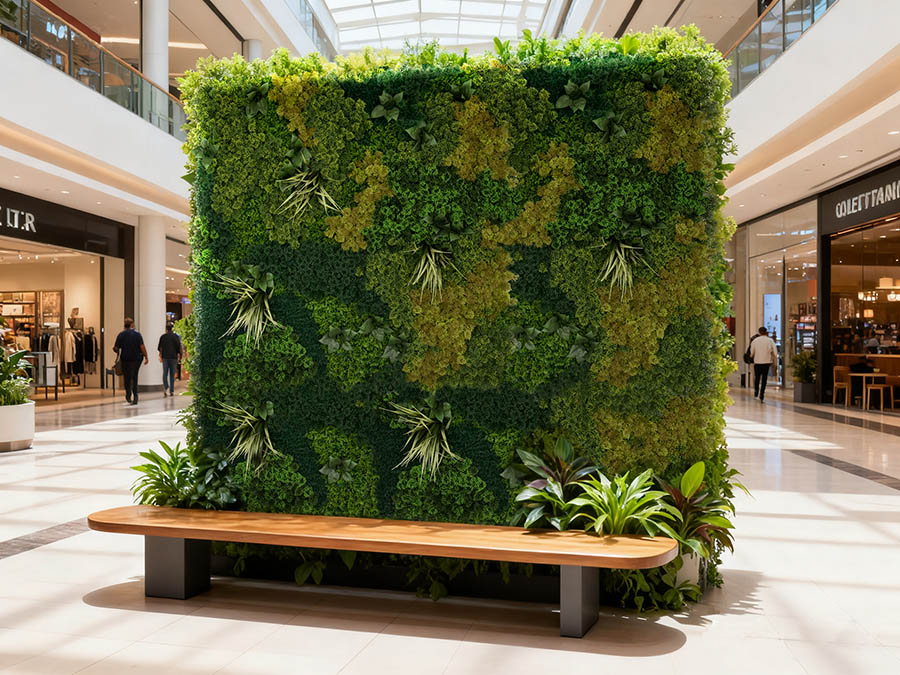
Cheap vs. Premium: Understanding the Material Difference
The difference between “tacky” and “stunning” is largely about material integrity. Low-cost faux plants often feature:
- Feel rough or overly slick
- Have a strong chemical odor
- Display repetitive leaf patterns
- Appear flat or unnaturally symmetrical
These shortcuts reduce cost but also reduce realism.
In contrast, premium artificial plants are built to last. They resist fading, maintain their shape for years, and integrate seamlessly into curated interior designs. For retailers and wholesalers, this translates into higher perceived value and stronger long-term customer satisfaction. For homeowners and designers, it means a better return on investment.
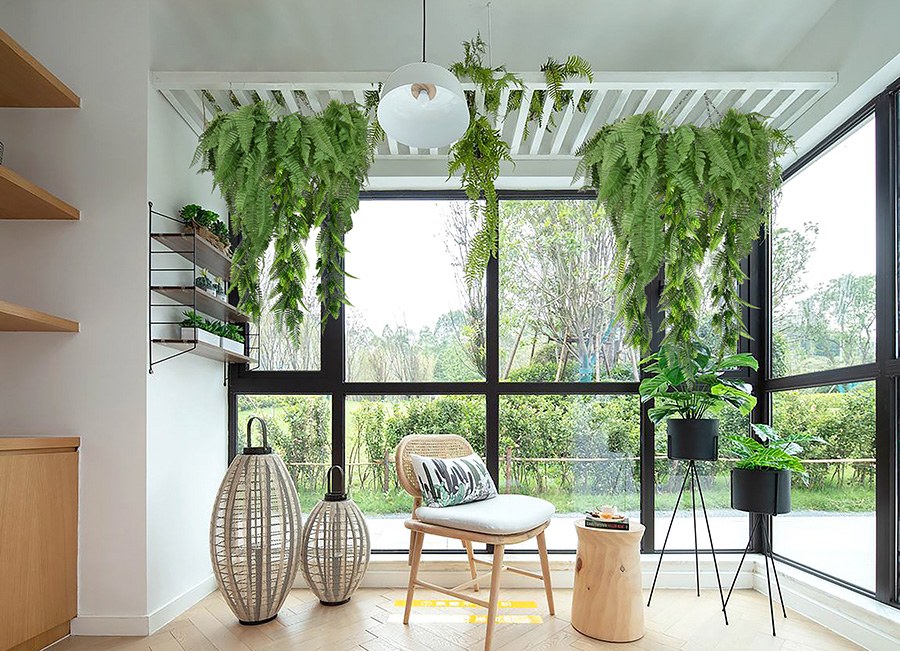
Why High-End Artificial Plants Are Worth the Investment ?
Texture
One of the most noticeable differences between premium luxury artificial plants and low-cost faux plants is texture.
High-end foliage is designed to replicate the softness, structure, and subtle resistance of real leaves and stems. When you run your fingers across the greenery, it feels natural — not slick, stiff, or sharply edged.
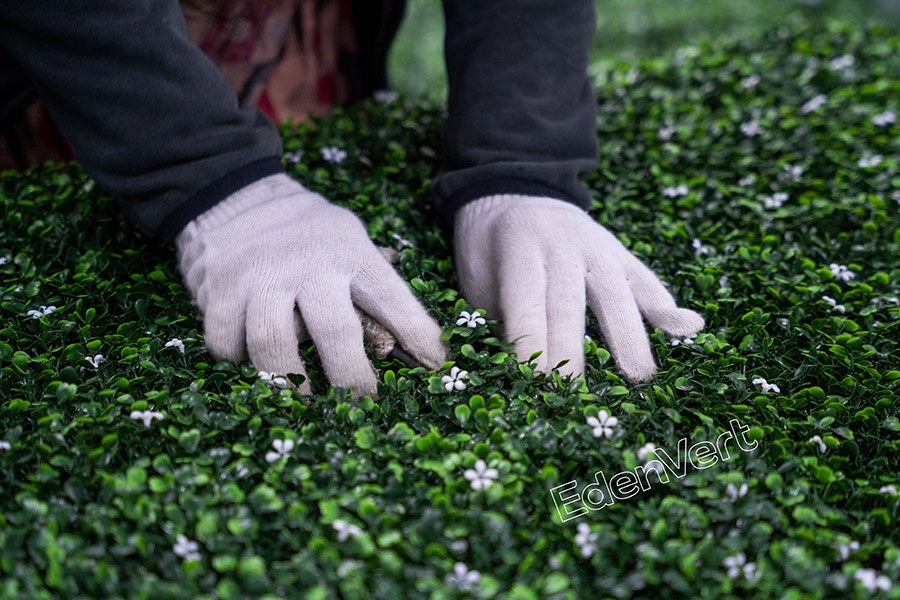
Low-cost faux plants often reveal themselves through hard plastics, exaggerated shine, and uniform surfaces. Premium pieces, on the other hand, offer layered textures and lifelike finishes that elevate the entire space.
Craftsmanship
Beyond premium materials and long-term performance, what truly sets luxury artificial plants apart is craftsmanship.
High-end botanical displays are thoughtfully assembled by skilled artisans — shaping one leaf, vine, and branch at a time to achieve natural movement and organic flow. Each piece is carefully inspected upon arrival, adjusted for balance and realism, and arranged to ensure it looks as convincing as possible from every angle.
This level of hand-finishing creates depth, asymmetry, and subtle imperfection — the very qualities that make real plants so beautiful.
Functionality
Custom artificial botanicals are designed with purpose. They are tailored to suit the specific needs of each environment — whether that means fitting a narrow corridor, softening a commercial lobby, creating privacy in an outdoor setting, or brightening a low-light interior.
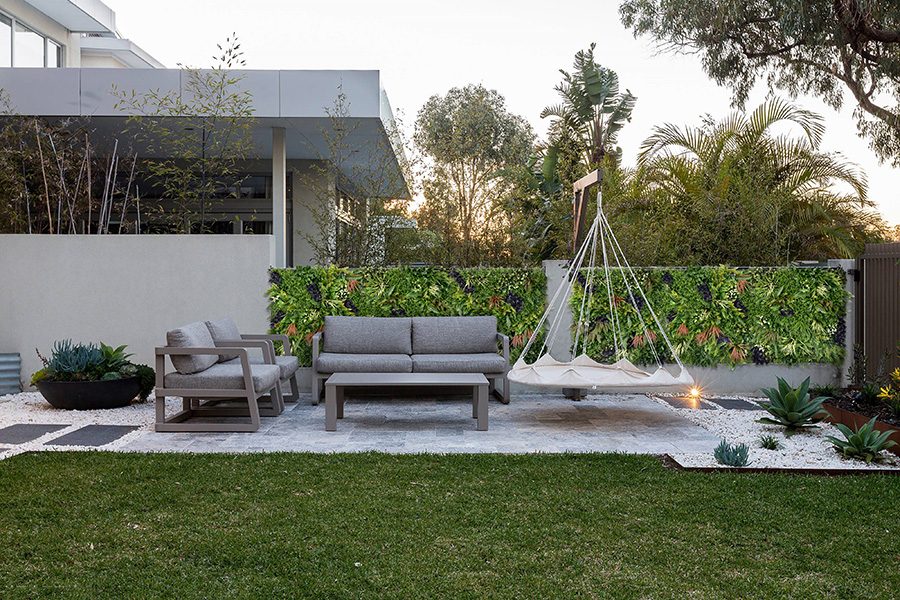
They don’t just fill space.
They solve design challenges while maintaining a cohesive aesthetic.
For retailers and wholesalers, this functional flexibility also makes high-end artificial plants a versatile product category that serves residential, hospitality, and commercial markets alike.
Are Fake Plants a Better Choice Than Real Plants?
In many cases, yes — especially when practical challenges exist.
Low-Light Environments
Not every hallway, corner, or commercial interior receives enough natural sunlight to support living plants. In these environments, high-quality artificial plants offer a reliable solution. They bring the same visual warmth and lush presence to shadowed nooks, windowless corridors, and interior rooms — without worrying about light exposure or plant health.
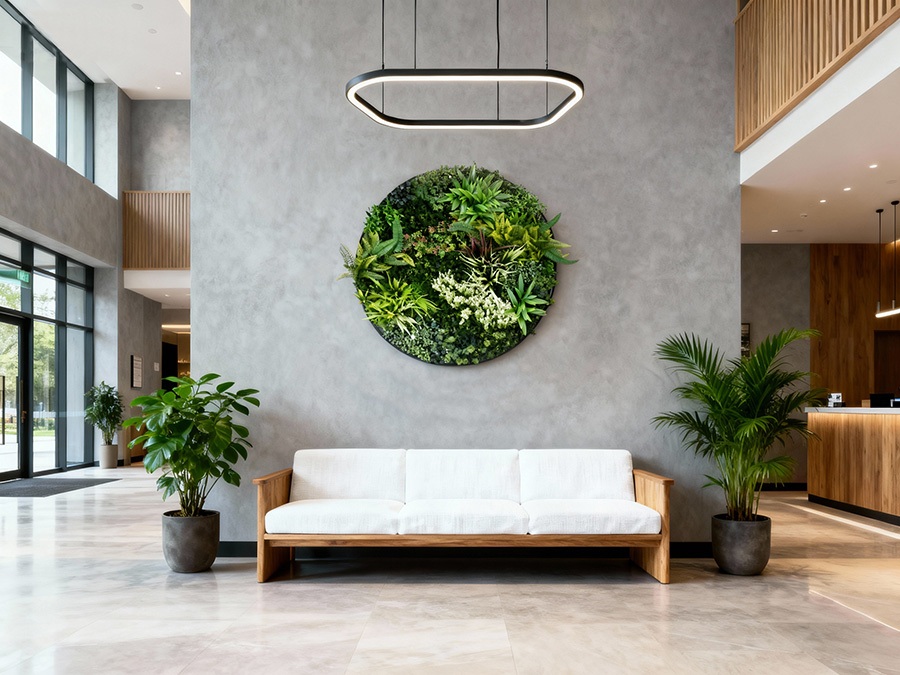
For designers and property managers, this means complete creative freedom, regardless of architectural limitations.
Long-Term Stability
With proper care, high-quality faux plants can maintain their appearance for many years. They won’t outgrow their containers, shed leaves seasonally, or require repotting.
In contrast, live plants often demand larger planters, replacement, or ongoing care as they mature. For business owners and property managers working with fixed layouts or long-term installations, realistic artificial plants can provide a more predictable and cost-effective solution.
Low Maintenance & Allergy-Friendly
Fake plants require no watering, pruning, fertilizing, or soil care. There’s no risk of overwatering, pests, or leaf drop.
This makes them especially valuable in:
- Busy commercial spaces
- Hospitality environments
- Offices and retail stores
- Medical facilities and schools
Because they contain no soil and produce no pollen, fake plants are also a hypoallergenic choice — offering greenery without triggering sensitivities.
Are Fake Plants Still in Style for 2026?
Absolutely — and more than ever.
Design trends in 2026 continue to center around biophilic design, the idea that humans thrive when surrounded by elements of nature. From residential living rooms to hotel lobbies and retail environments, greenery is no longer just decorative. It’s emotional. It’s atmospheric. It’s restorative.
But here’s the reality: many modern spaces simply aren’t designed to support living plants. Urban apartments often lack sufficient sunlight. Commercial buildings operate in climate-controlled environments. Hallways, bathrooms, and interior offices rarely receive natural light or proper humidity. Even experienced plant owners can struggle to keep tropical greenery thriving under these conditions.
That’s where high-end artificial greenery steps in.
Premium artificial hedges, statement trees, ivy, and plant walls have become essential design tools for creating calm, restorative environments — without the ongoing maintenance. They allow designers, retailers, and property owners to build lush “green sanctuaries” in spaces where live plants might struggle or fail.
Rather than being seen as a shortcut, today’s realistic faux plants are viewed as a practical, design-forward solution. When chosen thoughtfully and styled with intention, they support the same visual goals of biophilic design — warmth, softness, and a deeper connection to nature — while offering reliability and longevity.
In 2026, fake plants aren’t just in style. They’re a smart, sophisticated way to design with confidence.
Final Thoughts
Fake plants don’t automatically look cheap.
Poor quality and poor styling do.
Choose realistic pieces. Invest in thoughtful placement. Treat artificial greenery as intentional design—not an afterthought.
When done well, fake plants don’t feel artificial at all. They simply feel like part of a warm, well-designed space—bringing comfort, texture, and greenery exactly where you need it.
And the best part? You’ll never have to water them.