Are Fake Plants Out of Style in 2026?
 2026 04 30
Home décor trends are always shifting, bringing new ideas into focus each year. Still, one question continues to come up: Are fake plants out of style in 2026? Or have they quietly become outdated?
The answer is simple—NO.
High-quality faux greenery has not only stood the test of time but has also adapted beautifully to changing tastes. Unlike the obviously artificial plastic plants of decades past, today’s fake plants are hyper-realistic, eco-conscious, and versatile enough to blend seamlessly into any decor style. From luxury apartments to cozy family homes, fake plants continue to offer beauty without the maintenance headaches.
Why Fake Plants Are Still in Style in 2026
1. Designed to Look and Feel Like the Real Thing
Fake plants today are designed with a much closer attention to detail. Subtle tonal shifts, layered leaves, and organic forms create a look that feels natural rather than staged.
When placed thoughtfully, they bring a quiet freshness into a space. There’s no need to adjust lighting, monitor watering schedules, or worry about seasonal changes. The greenery simply remains consistent, adding a sense of ease to the overall atmosphere.
2. Versatile Solutions for Different Lifestyles
Modern living doesn’t always leave room for plant care, and not every environment supports it. Artificial greenery offers a flexible alternative that fits naturally into different lifestyles.
It is especially suited for:
- Individuals with pollen allergies or plant sensitivities
- Households with pets or children where safety is a priority
- Frequent travelers or those with demanding schedules
- People living in climates or buildings unsuitable for plant growth
3. Perfect for Spaces Where Real Plants Don’t Thrive
Some corners of a home feel complete with greenery, yet are difficult for live plants to thrive in. Low light, limited airflow, or fluctuating temperatures can make plant care challenging.
Fake plants bring softness and life into these areas without compromise. They can also be combined with real plants to create a layered, natural effect, where everything feels cohesive and thoughtfully arranged.
4. Long-Lasting and Reliable Appeal
One of the greatest benefits of artificial greenery is its lasting beauty. It remains consistently fresh-looking through every season and in any environment. UV-resistant varieties are perfect for outdoor use, while premium indoor designs replicate the appearance of live plants without soil, water, or pruning. This durability makes them a reliable choice for homes, offices, and commercial spaces.
The Hottest Fake Plant Trends of 2026
1. Eucalyptus – The Minimalist’s Green Essential
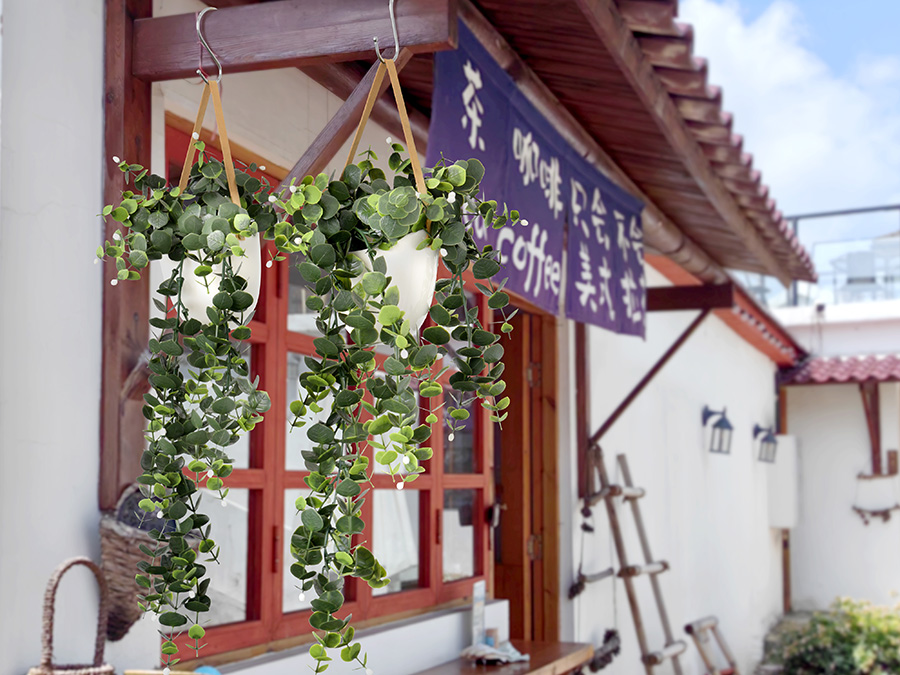
Why it’s on trend:
Real eucalyptus can be notoriously difficult to maintain, requiring constant watering. The faux leaves deliver the same fresh, airy look with none of the upkeep. Popular on TikTok, it’s often seen hanging in showers for a spa-like feel, arranged in minimalist vases, or styled in modern planters to complement neutral palettes. Its adaptability makes it suitable for bathrooms, living rooms, offices, and entryways.
Style Tip:
Display in a woven basket or an oversized ceramic planter for a high-end designer touch.
2. Maidenhair Fern – Light, Lacy, and Timeless
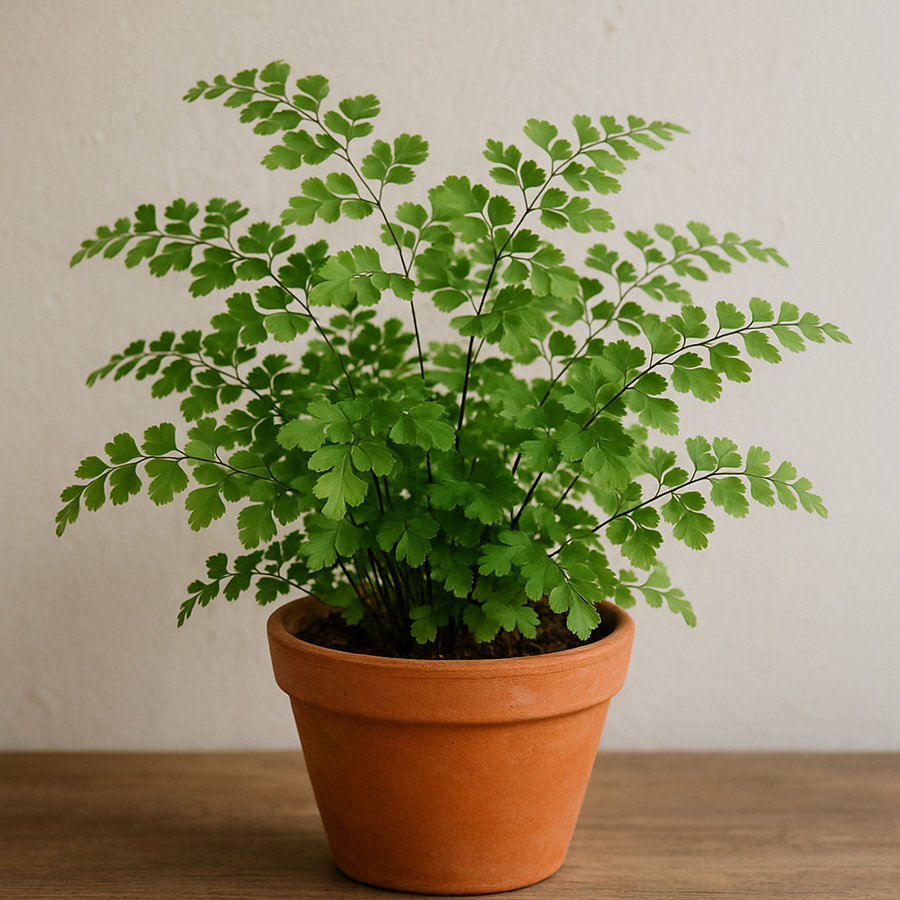
Why it’s on trend:
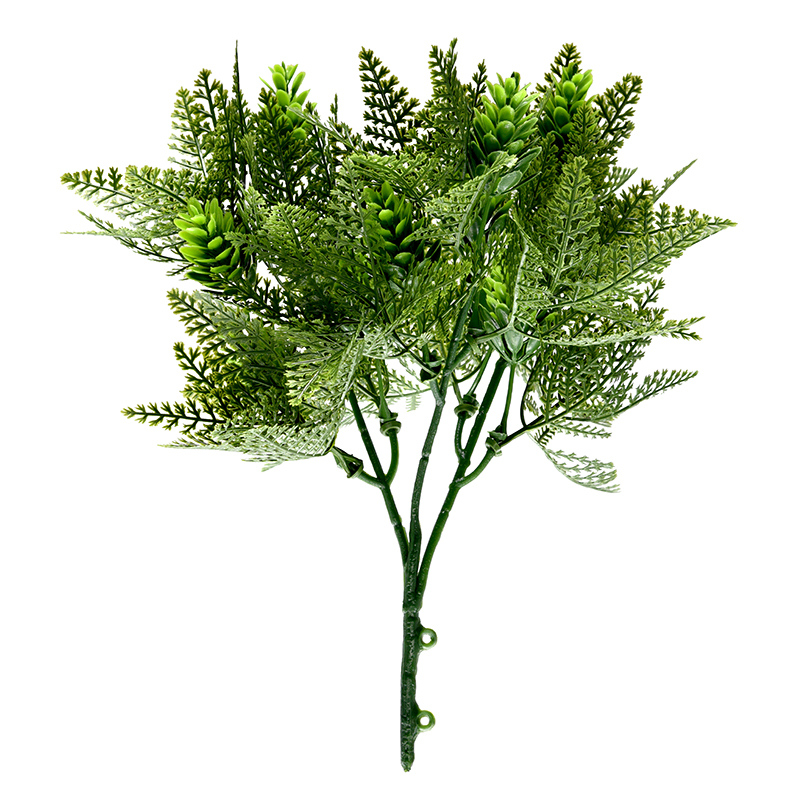
With delicate, lacy fronds on sleek dark stems, the maidenhair fern brings an artful sophistication to any space. Its look fits effortlessly into both vintage and contemporary interiors. Paired with other greenery or showcased alone, it adds visual interest and texture to shelves, tabletops, or plant stands.
Style Tip:
Showcase in a terracotta pot or decorative tabletop planter for a refined, organic feel.
3. Olive Tree – Mediterranean Chic Indoors
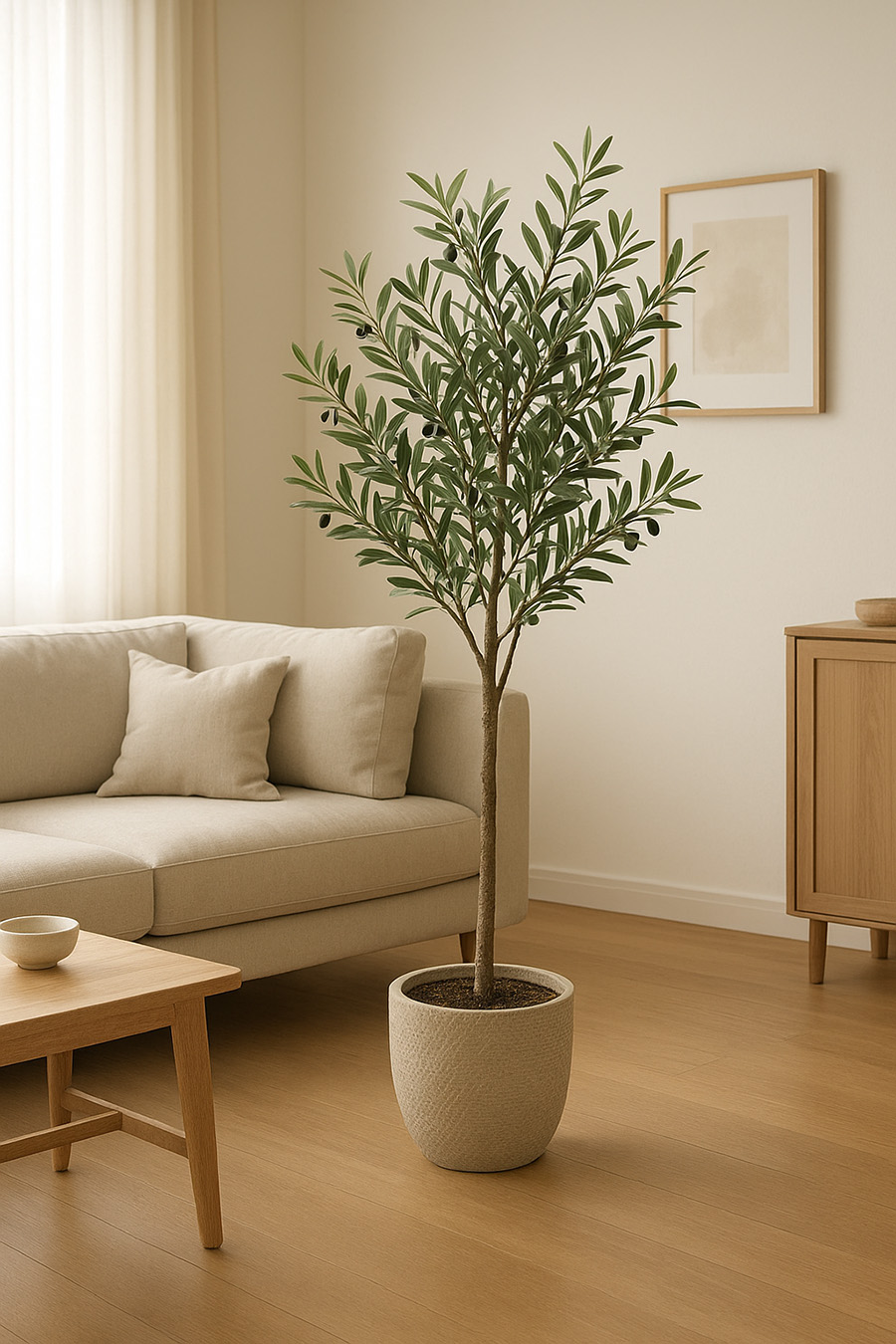
Why it’s on trend:
Olive trees, especially the black olive variety, have quietly become a favorite in interior styling. Their soft, silvery green leaves and naturally airy shape bring a sense of calm that feels both relaxed and refined.
They introduce a gentle Mediterranean influence that works beautifully across different spaces, whether paired with rustic textures or set against clean, modern lines. In 2026, olive trees continue to offer an understated way to add character, warmth, and a touch of timeless elegance indoors.
Style Tip:
Enhance its presence with a large planter topped with decorative moss for a polished, natural finish.
4. Bird of Paradise – Sculptural and Striking
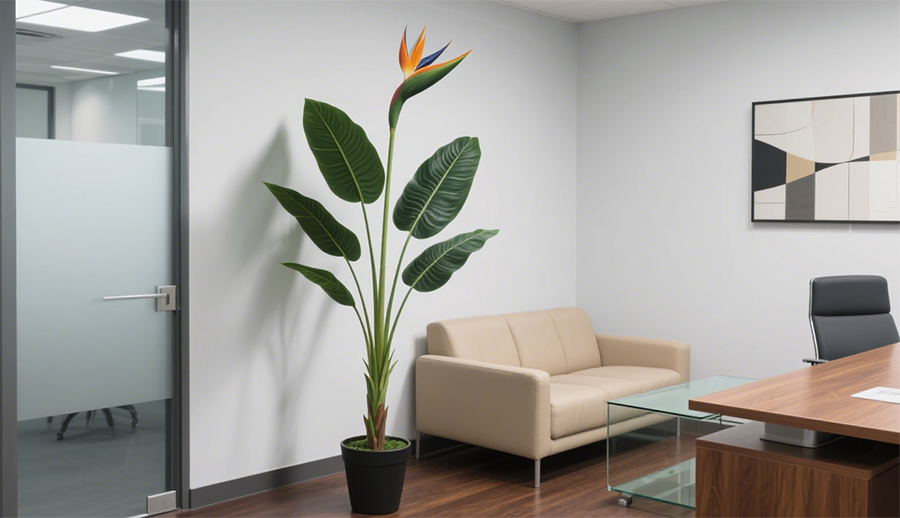
Why it’s on trend:
With tall stems and sculptural, bendable leaves, the bird of paradise offers a sleek, architectural look that works beautifully in open-plan living areas, and contemporary offices. Its bold form makes it perfect for creating statement corners without overwhelming the space.
Style Tip:
Fan out the leaves for a fuller, more lifelike display.
5. Cherry Blossom Tree – Soft Drama in Bloom
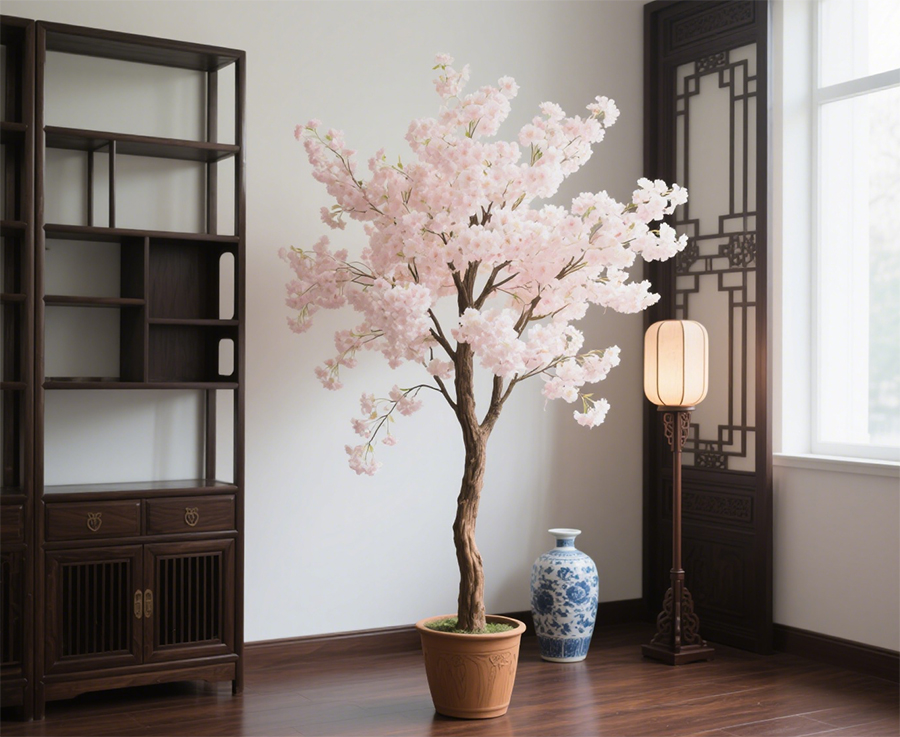
Why it’s on trend:
Highly photogenic and elegant, cherry blossom trees are loved by influencers for creating dreamy backdrops on TikTok, Instagram, and Pinterest. They add a romantic, refined touch to dining rooms, living areas, and event spaces, including weddings and product shoots.
Style Tip:
Use as a dramatic centerpiece to elevate the ambiance of a room.
6. Money Tree – Fortune Meets Style
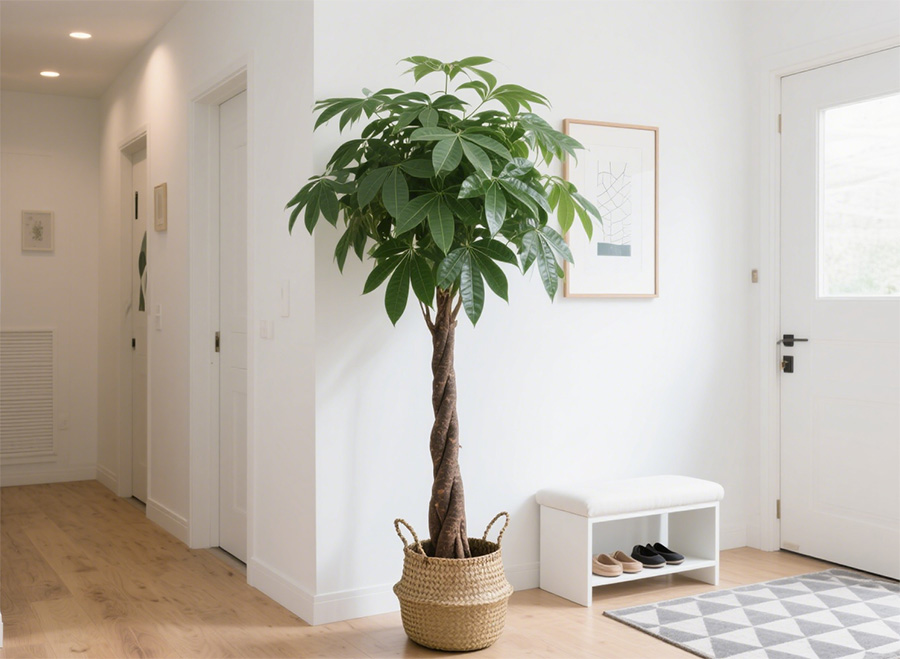
Why it’s on trend:
Known for braided trunks and glossy leaves, money trees are symbols of prosperity and positive energy. Faux versions maintain their charm without the delicate care the real ones require, making them a popular choice for creating uplifting spaces.
Style Tip:
Place near an entryway to invite good fortune and create a welcoming atmosphere.
7. Ficus Tree – Evergreen Elegance
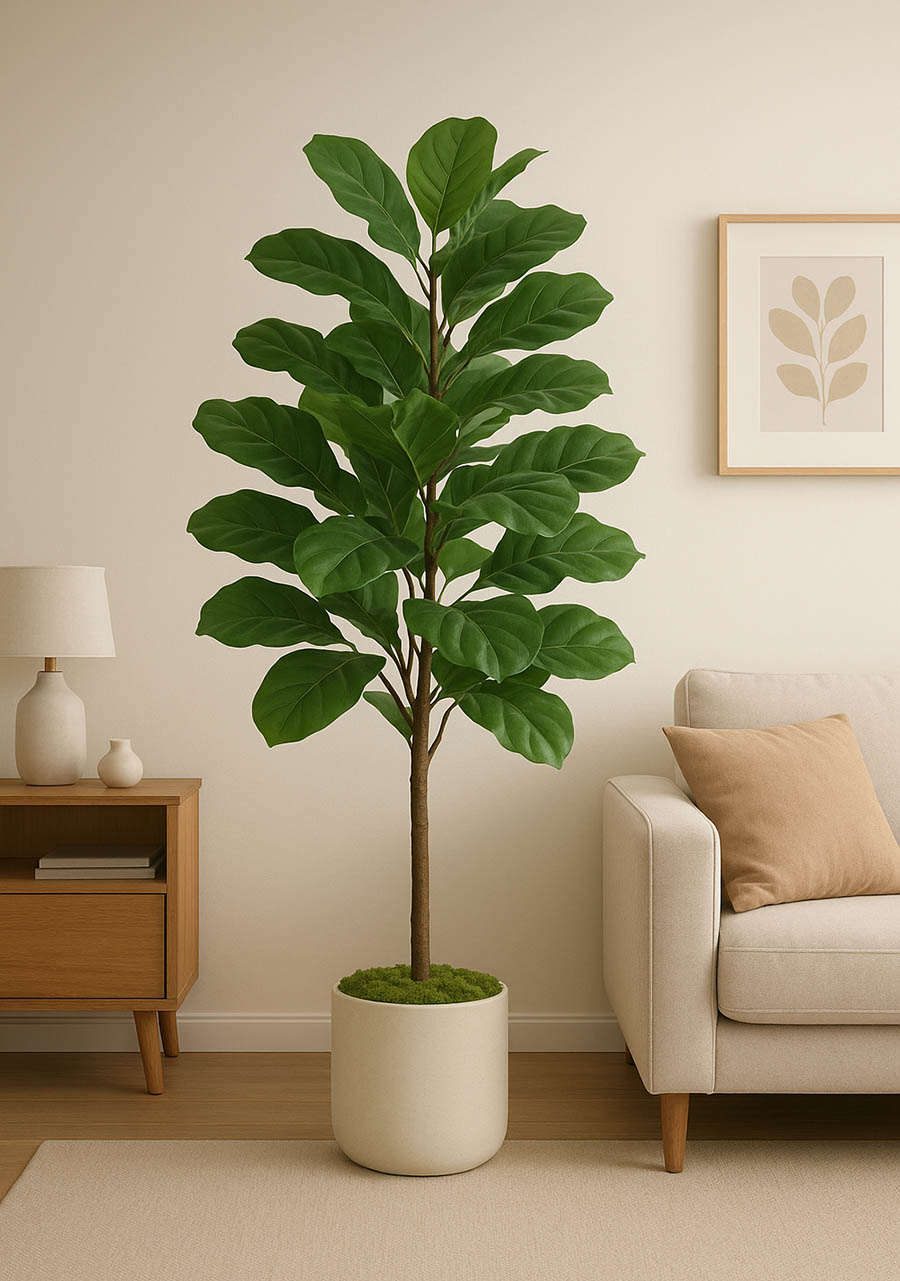
Why it’s on trend:
Dense foliage and a naturally lush look have made ficus trees a timeless indoor favorite. Their rise in popularity aligns with the biophilic design trend, which emphasizes integrating nature-inspired elements into indoor environments.
Style Tip:
Set a tall ficus in a corner to balance and anchor the surrounding elements.
8. Artificial Vertical Gardens – Lush Wall Statements
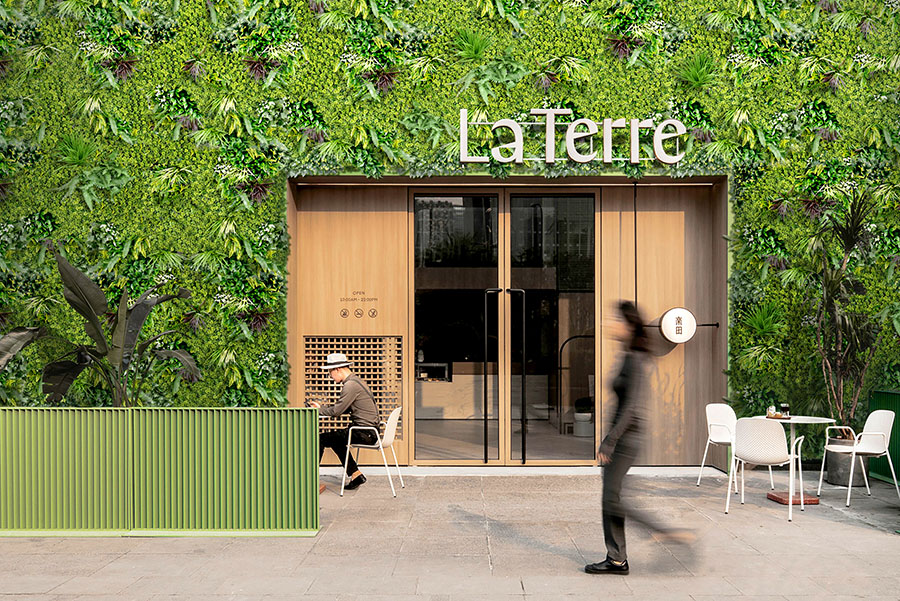
Why it’s on trend:
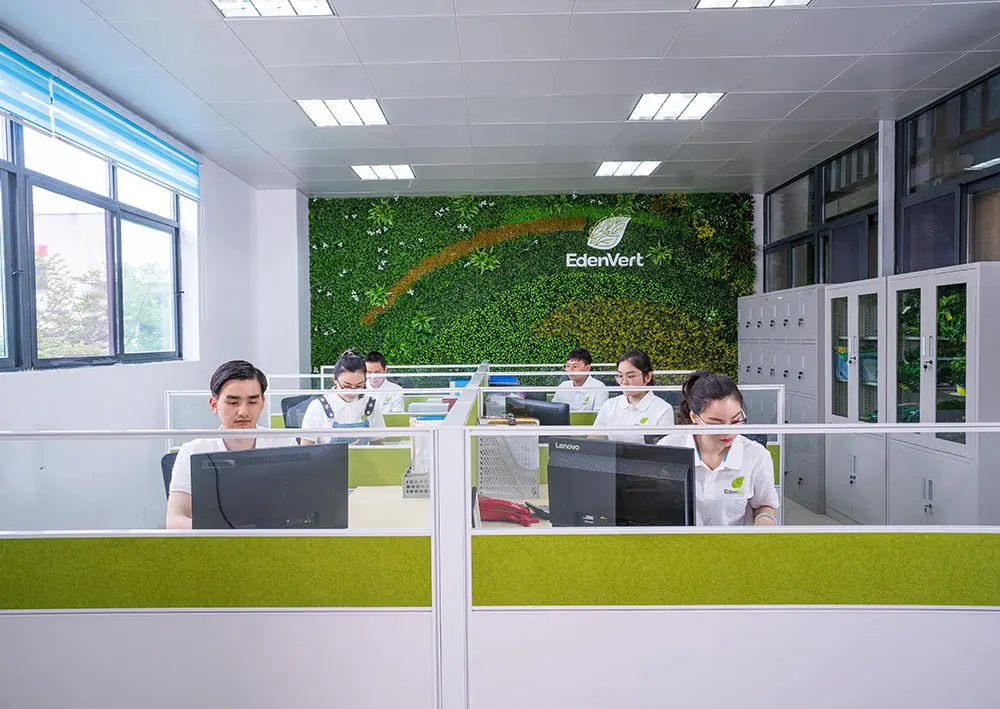
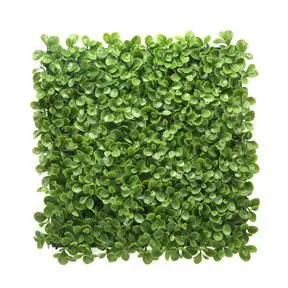
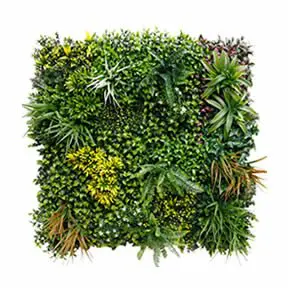
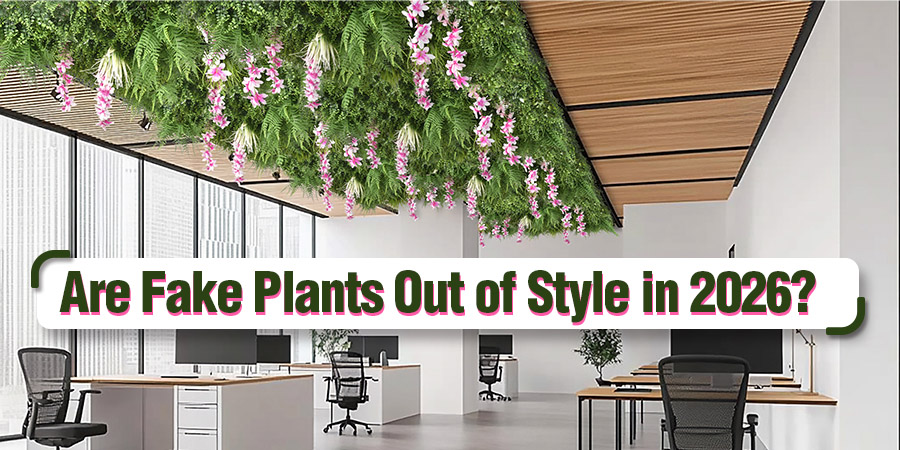
Artificial vertical gardens are transforming blank walls into lush, green displays. Perfect for apartments, offices, or commercial venues, they deliver instant greenery without the need for soil, sunlight, or watering. Many designs now feature UV-resistant and fire-rated materials, making them suitable for both indoor and outdoor use. They’re also a popular choice for creating photo-worthy backdrops at events and retail spaces.
Style Tip:
Use as a statement wall behind a reception desk, patio seating area, or in an open-plan living space for maximum visual impact.
9. Snake Plants – Sculptural Statement
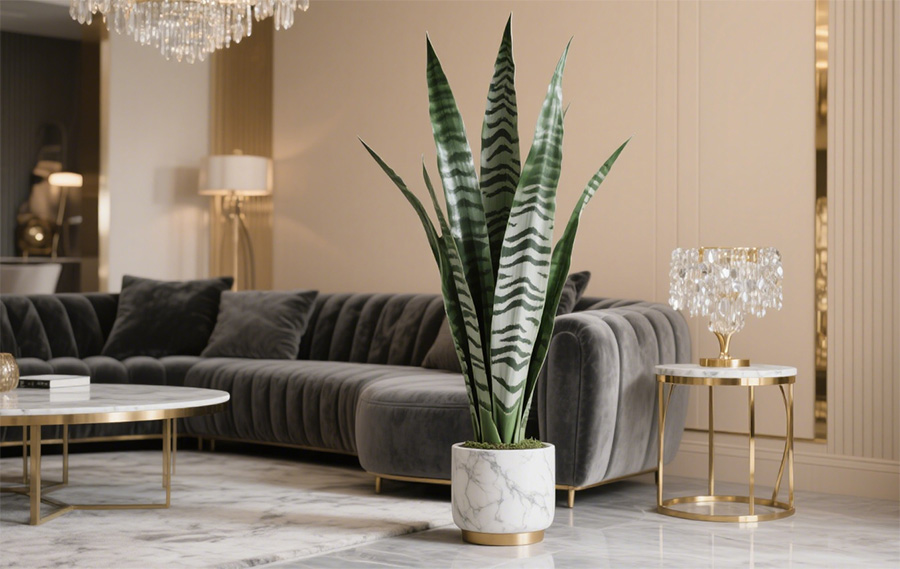
Why it’s on trend:
The snake plant’s tall, upright leaves with their bold variegation make it a favorite for modern interiors. It’s a strong visual anchor in minimalistic rooms and pairs well with clean lines and neutral color palettes. Faux versions keep their sleek form indefinitely, without the browning edges or drooping leaves that real ones often develop.
Style Tip:
Place in a tall planter to emphasize its vertical lines and sculptural shape.
10. Artificial Hanging Vines – Cascading Greenery
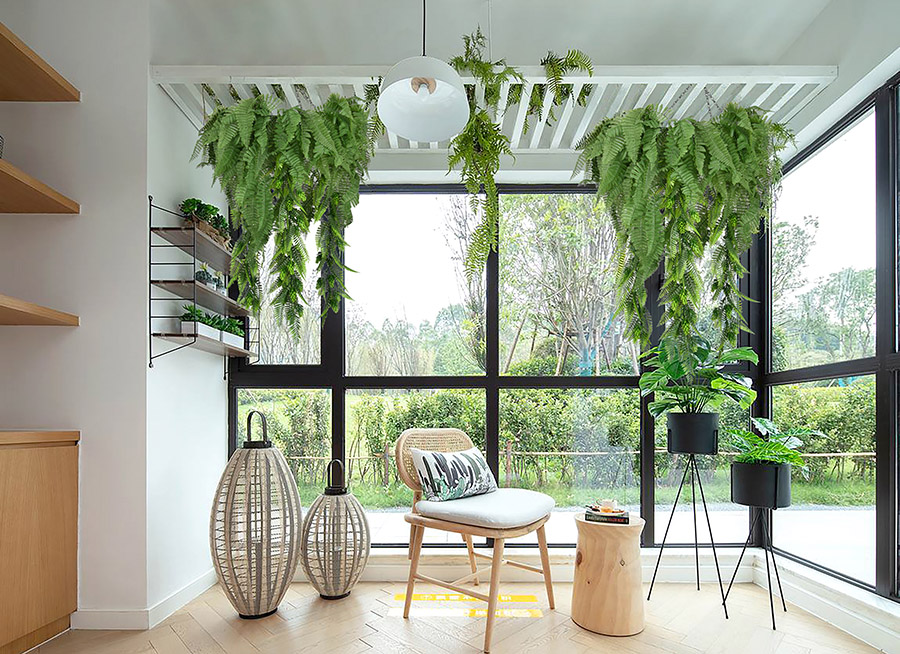
Why it’s on trend:
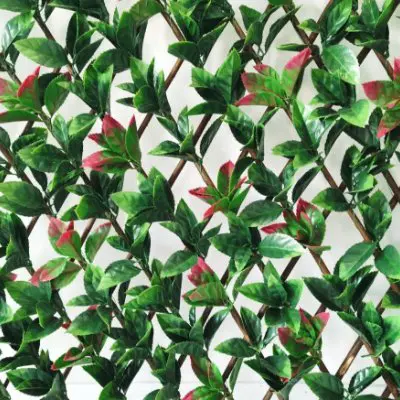
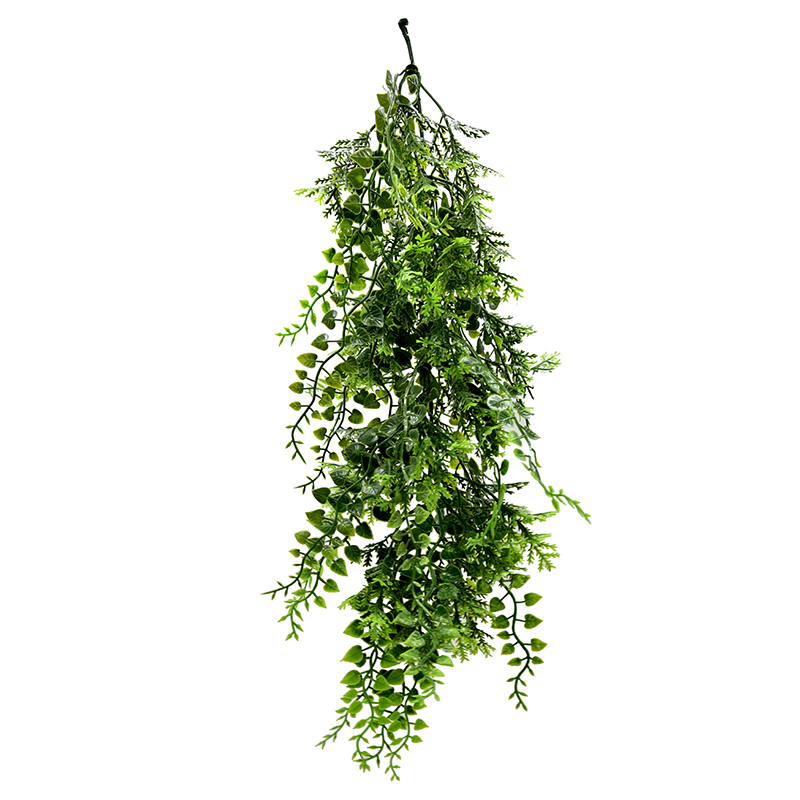
Hanging greenery has found its place in 2026 interiors, with faux vines becoming a popular choice for adding softness and movement. Their relaxed, trailing form naturally draws the eye and helps create a space that feels more layered and comfortable.
Draped over shelves, framing windows, or falling gently from ceiling planters, they bring a light and effortless touch of green without the need for trimming or upkeep.
Style Tip:
Combine different vine styles to create a fuller, more natural look. Let them fall loosely above cabinets or follow the lines of a staircase to add depth and a subtle sense of flow.
Common Myths about Fake Plants — Debunked
-
“Fake Plants Look Cheap” – Not True for 2026
The days of overly shiny, obviously fake plants have quietly faded. In 2026, high-quality faux greenery feels far more refined, with details that closely resemble real plants in both appearance and texture.
Placed thoughtfully, these pieces blend naturally into a space, adding a calm, polished touch. In many cases, the difference is hardly noticeable at a glance, and often only revealed upon closer inspection.
-
“Fake Plants are Bad for The Environment” – The Full Story
It is true that low-quality, disposable options can contribute to waste. However, the conversation shifts when focusing on well-made, long-lasting designs.
A carefully chosen artificial plant can maintain its appearance for many years, reducing the need for frequent replacement. Compared to repeatedly replacing live plants that may not thrive, this longevity offers a more considered and sustainable approach. In 2026, faux greenery can feel both thoughtful and responsible when chosen with care.
What Makes Fake Plants Look Real?
What sets premium fake plants apart from low imitations is their pure materials and craftsmanship. Today high quality artificial plants are evolved. Crafted with advanced materials and meticulous attention to detail, they replicate the look, feel, and texture of real plants with astonishing accuracy. Every element is designed to mirror nature, resulting in greenery that looks convincingly authentic. They are so realistic that they can fool even the most discerning eye. Key factors that make fake plants realistic include:
| Key Factor | Description | Visual Effect in Space |
|---|---|---|
| Material Quality | High-quality materials are used to closely replicate the texture, color, and surface of real foliage. Some leaves and petals are treated with subtle finishes to create a soft, dewy appearance. | Creates a more lifelike texture and depth, making the plant feel natural even at close range. |
| Color Accuracy | Careful attention is given to tonal variation, including soft shading and natural color transitions found in real plants and flowers. | Ensures the plant looks realistic from every angle, avoiding a flat or artificial appearance. |
| Natural Movement | Leaves and stems are shaped to reflect the gentle flow and organic structure of real plants, allowing for a more relaxed and natural form. | Adds a sense of softness and movement, helping the plant blend seamlessly into the environment. |
Conclusion: Why Fake Plants Are Trendy and Popular
So, are fake plants out of style in 2026? Not at all
Faux greenery has evolved from a last-resort décor item into a legitimate design choice embraced by professionals, influencers, and homeowners. With innovations in realism, a push toward sustainable living, and limitless styling possibilities, fake plants are thriving in the modern design world.
A serene office corner, a lush living room display, or a pet-safe home environment can all benefit from the beauty, practicality, and longevity of fake plants. In 2026 and beyond, they continue to feel relevant, adaptable, and comfortably at home in everyday living.