Are fake plants bad for Feng Shui?
 2026 01 22
In the pursuit of a calm, balanced living space, many homeowners and decorators look to Feng Shui—the ancient Chinese practice of arranging spaces to encourage harmony and positive energy. Plants play an important role in Feng Shui, symbolizing life, growth, and vitality. This naturally leads to a question we’re asked time and again:
Are fake plants bad for Feng Shui?
It’s an understandable concern. Feng Shui places strong emphasis on the flow of energy—known as “chi”—and how objects within a space either support or disrupt that flow. Because fake plants are often viewed as “lifeless,” they’ve earned a reputation among purists for being energetically stagnant. But is that reputation truly deserved?
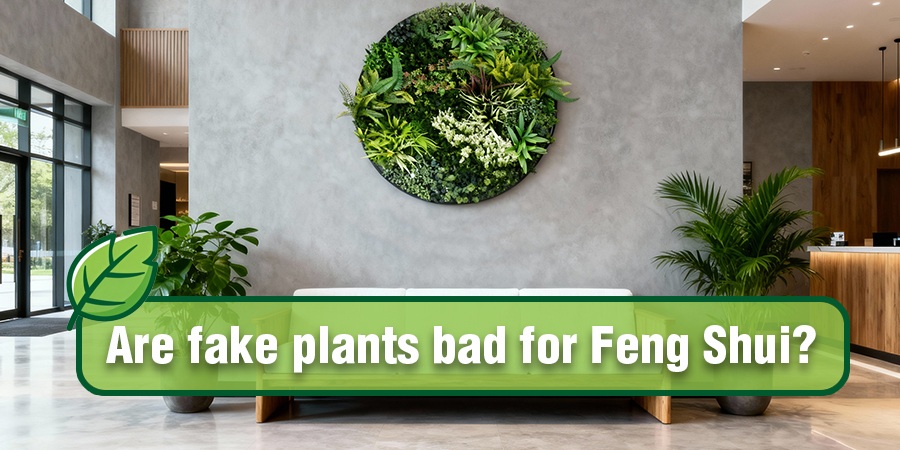
The short answer is NO. Fake plants are not inherently bad for Feng Shui. When selected thoughtfully and placed with intention, fake plants can enhance both the visual harmony and energetic balance of a space. In this article, we’ll separate myth from reality and explore how fake plants can be used in Feng Shui to support your design goals and your sense of well-being.
What Is Feng Shui?
Feng Shui is a traditional Chinese philosophy that has been practiced for centuries. At its core, it focuses on the flow of energy—“chi”—and how our surroundings influence our physical, emotional, and mental state.
The central idea of Feng Shui is that our living and working environments should exist in harmony with nature. Every element in a space, from the layout of a room to the placement of furniture and décor, affects the movement of energy. When these elements are aligned with Feng Shui principles, energy flows smoothly, helping to improve mood, productivity, and overall fortune in daily life.
The Core Principles of Feng Shui
Feng Shui is built around achieving balance through the five elements:
- Metal
- Wood
- Water
- Fire
- Earth
Each element represents a specific type of energy and is associated with particular colors, shapes, and materials. Objects in your space carry energetic qualities based on these characteristics. By intentionally incorporating and balancing these elements, Feng Shui aims to create a harmonious environment where positive energy can circulate freely.
Plants, for example, are strongly associated with the wood element, symbolizing growth, renewal, and vitality.
The Role of Plants in Feng Shui
Plants play a vital role in Feng Shui because they represent life, movement, and prosperity. In plant Feng Shui, the placement and condition of greenery directly influence the flow of positive energy—or “chi”—within a space.
At its foundation, Feng Shui views plants as tools for restoring balance. They soften harsh lines, improve energy circulation, and introduce a sense of freshness and growth. Used intentionally, plants can enhance well-being, uplift mood, and promote a sense of calm and abundance.
Does this same principle apply to fake plants?
Are Fake Plants Bad Feng Shui? The Truth Revealed
So, are fake plants bad Feng Shui—or even bad luck? These are common questions, especially for those new to Feng Shui or designing spaces with limited natural light.
The reality is this: fake plants are not automatically harmful to your space’s energy. Like any decorative element, their impact depends on quality, placement, and upkeep.
Poor-quality faux plants that are dusty, faded, or neglected can create stagnant energy and subtly signal a lack of care. In Feng Shui, neglect often translates to blocked or sluggish “chi”. However, high-quality, realistic artificial plants that are clean and well-maintained can contribute positively to a space.
In fact, fake plants can be especially useful in homes or offices with limited natural light, poor airflow, or busy lifestyles that make plant care impractical. In these situations, fake plants offer a visually soothing and energetically supportive alternative without the stress of maintenance.
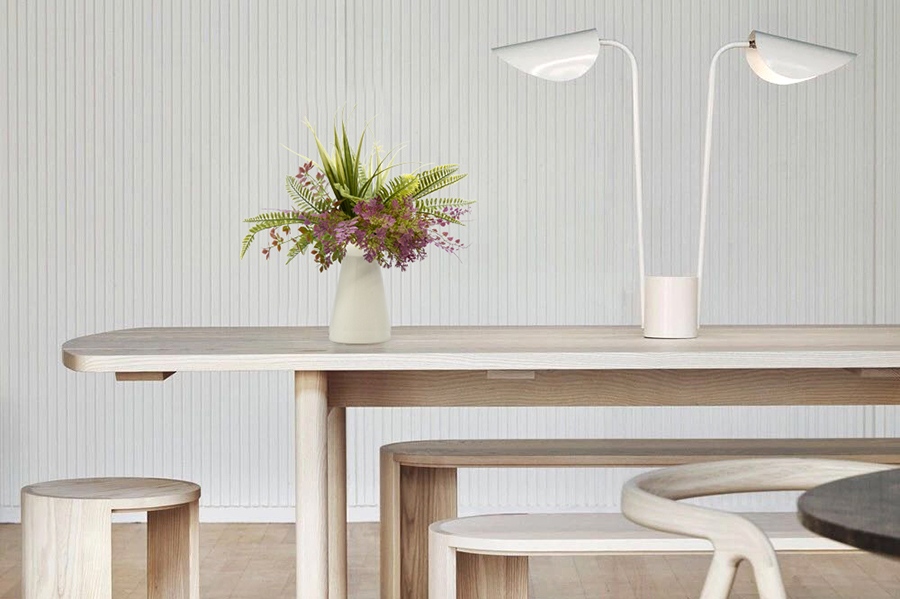
In Feng Shui, symbolism matters. If a plant looks vibrant and feels uplifting, it can still represent growth and harmony—regardless of whether it’s real or artificial. The key is intention, care, and thoughtful placement.
How to Use Fake Plants to Boost Feng Shui
When decorating with fake plants, intention is everything. Thoughtfully chosen and placed faux greenery can enhance the flow of energy (chi) and support a balanced, harmonious home. Here’s how to make the most of fake plants in Feng Shui:
1. Pick Faux Plants That Feel Alive
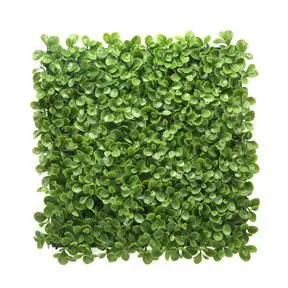
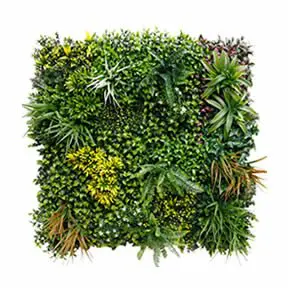
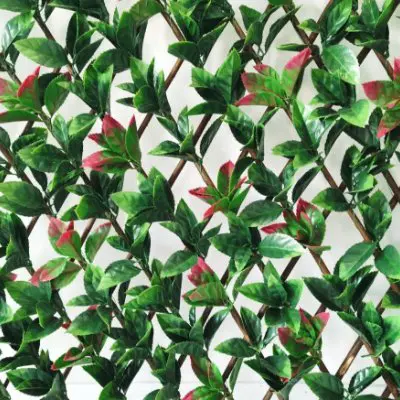
Select faux plants that closely mimic the appearance, color, and structure of real plants. Avoid options with obviously plastic stems, unnaturally glossy leaves, or stiff shapes. The closer a faux plant looks to its living counterpart, the stronger its positive Feng Shui impact.
At EdenVert, we offer a wide selection of premium, natural-looking artificial plants and flower arrangements—designed to bring lasting beauty and balance to any space.
2. Keep Your Plants Fresh and Dust-Free
Even though fake plants don’t require watering or pruning, cleanliness is crucial in Feng Shui. Dusty or dirty fake plants can dull their visual appeal and obstruct the flow of “chi”. Maintaining clean artificial greenery ensures it continues to support positive energy in your home.
Tips for maintaining your fake plants:
- Set aside time weekly to declutter and dust your home.
- Clean fakeplants monthly using a microfiber cloth with warm, soapy water.
- Dry leaves thoroughly with a soft cloth to remove residue.
- If your plant is placed outdoors, consider a UV-protectant spray to preserve color and vibrancy.
A clean, well-maintained fake plant radiates vitality and helps maintain harmony in your space.
3. Place Plants Where They Can Shine
Placement is key in Feng Shui. Even the most lifelike fake plants can lose their positive influence if placed incorrectly. Avoid positioning plants in pathways or areas that block the flow of energy. Instead, place them where you want to enhance specific elements or zones, such as:
- Corners of the living room
- Entryways to welcome positive energy
- Bedrooms to promote calm and good energy
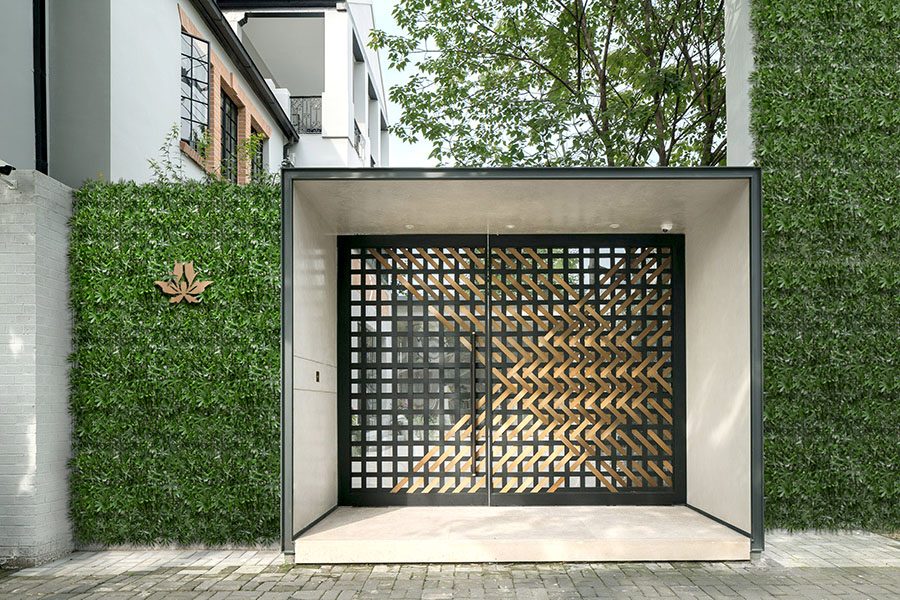
Thoughtful placement allows your fake plants to maximize their Feng Shui benefits while complementing your décor.
4. Avoid Energy Clashes
Feng Shui is all about balance between the five elements. Be mindful of where you place fake plants to avoid conflicts:
- Avoid placing them directly above stoves (fire element) or near toilets (water element).
- Keep plants away from areas where fire and water energies clash.
Every plant you place sends an energetic message, so intentional placement helps maintain elemental harmony in your home.
5. Choose Plants That Bring Good Vibes
Not all plants carry the same Feng Shui energy. Some, like spiky cacti, may introduce harsh energy. For the most auspicious results, select plants that are traditionally associated with prosperity, growth, and positivity.
Choosing the right plants ensures that your artificial greenery supports your Feng Shui goals, both energetically and visually.
Best Artificial Plants for Positive Feng Shui Energy
In Feng Shui, plants are far more than decorative accents—they are powerful symbols of growth, balance, and positive energy. When thoughtfully selected, artificial plants can capture the essence of their living counterparts while offering a practical, low-maintenance way to enhance the flow of “chi” throughout a space. High-quality faux plants, when placed with intention, can support Feng Shui principles without the need for sunlight, watering, or ongoing care.
Below are some of the best artificial plants to incorporate into your Feng Shui design, along with their ideal placement and symbolic meaning:
| Artificial Plant | Best Placement (Feng Shui Area) | Symbolic Meaning | Feng Shui Benefits |
| Money Plant | Wealth corner (Southeast) | Financial stability, prosperity | Attracts wealth and supports long-term security |
| Ficus | Living room or Family area | Vitality, abundance, positive energy | Supports harmony and enhances well-being in shared spaces |
| Citrus Trees | Kitchen or dining area | Abundance, happiness, health | Brings brightness, freshness, and a sense of nourishment |
| Bamboo | Wealth corner (Southeast or East) | Resilience, luck, prosperity | Encourages upward growth, success, and steady progress |
| Ferns | Living areas or near entrances | New beginnings, rejuvenation, tranquility | Softens energy and creates a welcoming, refreshed atmosphere |
| Orchids | Relationship area (Southwest) or Bedroom | Love, beauty, refinement | Fosters romance, emotional balance, and meaningful connections |
| Peace Lily | Bedrooms or meditation areas | Calm, peace, emotional clarity | Promotes relaxation, tranquility, and inner balance |
| Flowering Plants | Varies by color and zone | Vitality, emotional enhancement | Pink supports love (Southwest); yellow promotes health (Center) |
| Bonsai | Study areas, offices, or libraries | Harmony, patience, balance | Enhances focus, discipline, and thoughtful growth |
Feng Shui at Scale: Why Businesses Are Turning to Bulk Artificial Plants
Feng Shui is no longer limited to residential interiors. Today, restaurants, wellness centers, spas, hotels, and office environments increasingly rely on Feng Shui principles to create welcoming, harmonious spaces that support customer satisfaction, relaxation, and productivity.
In high-traffic commercial settings, energy can easily become chaotic or stagnant. Strategically placed artificial plants help soften harsh lines, guide energy flow, and introduce a sense of grounded calm. Lush greenery at entrances, in waiting areas, or along corridors not only enhances visual appeal but also creates serene, memorable experiences for guests and clients.
However, maintaining live plants across large spaces—or multiple locations—can be costly, time-consuming, and inconsistent. Artificial plants offer a practical solution, delivering the visual and energetic benefits of greenery without the ongoing maintenance. That’s where we come in.
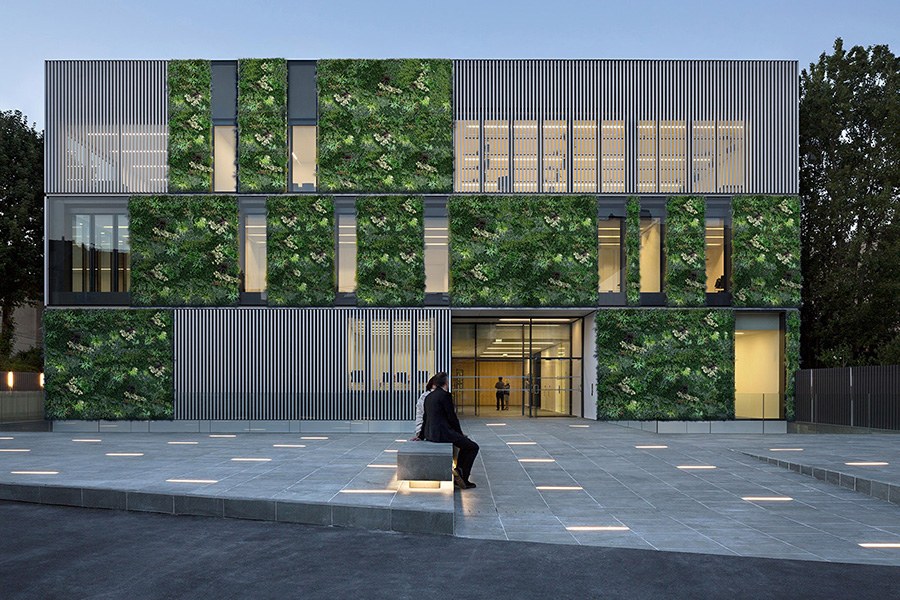
Why EdenVert Is Your Go-To for Premium Artificial Plants
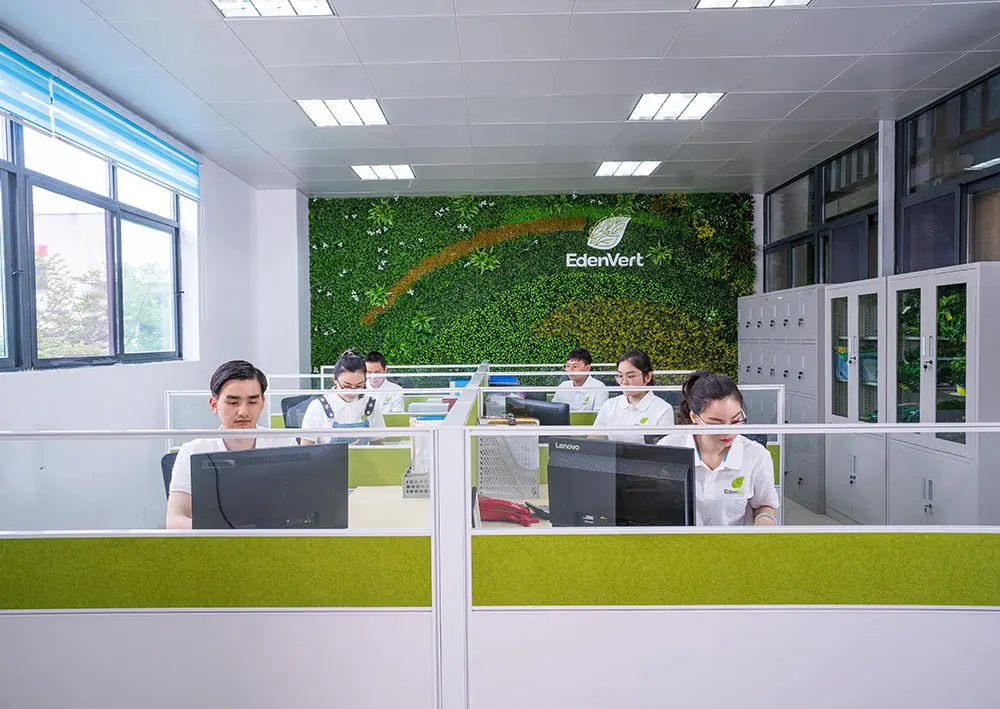
At EdenVert, we specialize in premium artificial plants designed to look and feel remarkably lifelike. Whether you’re outfitting a single yoga studio or managing a nationwide chain of wellness centers, our bulk solutions make it easy to stay aligned with both your brand identity and Feng Shui principles.
Our advantages include:
- Volume discounts for large-scale and multi-location orders
- A wide selection of greenery suited to different Feng Shui zones and design styles
- Fire-safe, low-maintenance options ideal for public and commercial environments
- Long-lasting, consistent beauty that reflects care, stability, and intention—key values in Feng Shui
Finishing Thoughts
As you can see, Feng Shui has much to say about interior décor—including the thoughtful use of artificial plants.
In today’s rapidly evolving design landscape, it’s natural to question whether fake plants have a place in traditional Feng Shui practice. The answer is yes—when chosen carefully and placed with intention, artificial greenery can beautifully complement your décor and actively contribute to positive energy.
By following these guidelines, you can enjoy a streamlined, modern approach to design that bridges ancient wisdom with contemporary living—bringing balance, beauty, and harmony into any space, without the extra upkeep.