Do artificial plants fade?
 2026 01 19
The short answer is yes—artificial plants can fade over time, particularly when exposed to sunlight. This is especially true for products made from low-quality materials or those without proper UV protection.
The primary cause of fading is ultraviolet (UV) radiation. When artificial plants are placed in direct sunlight, UV rays gradually break down the pigments in their leaves and flowers, causing colours to dull, bleach, or lose their original vibrancy.
Low-quality artificial plants are the most vulnerable. These products often lack built-in UV protection and are typically designed for short-term use, sometimes lasting only a few months. As a result, prolonged sun exposure can quickly strip them of colour, leaving behind a pale, lifeless version of what was once an attractive decorative piece.
That said, not all artificial plants are created equal. High-quality, fade-resistant artificial plants are specifically engineered to withstand sun exposure. When equipped with UV protection, they are far less likely to fade, crack, or deteriorate—even in bright, outdoor environments.
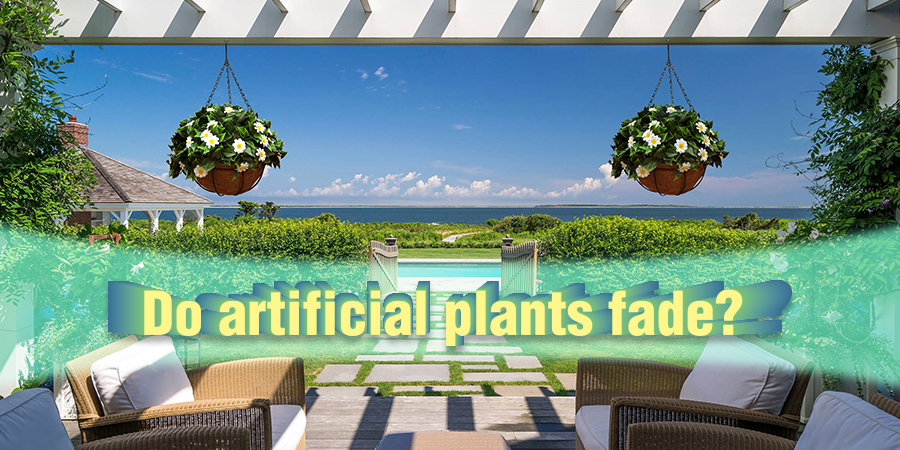
UV resistance is achieved through specialized materials or protective treatments that help block or neutralize the damaging effects of sunlight. This added protection plays a critical role in preserving both the colour and structural integrity of artificial greenery over time.
For this reason, price alone should never be the deciding factor when purchasing artificial plants—especially for outdoor use. Instead, it’s essential to confirm whether a product offers built-in UV protection. This feature is a key indicator of quality and longevity, ensuring your artificial plants maintain their appearance even in direct sunlight and extreme conditions.
In this article, we’ll break down what to look for—and what to avoid—so you can shop for artificial plants with confidence.
What Causes Artificial Plants to Fade?
UV Radiation: The Primary Cause of Color Loss
UV radiation is the leading reason artificial plants fade outdoors. When UV rays hit unprotected plastics, they trigger chemical reactions that break down color pigments and weaken the material itself.
The Role of Plastic Materials in Faux Greenery
Most artificial plant foliage is made from plastic-based materials, including:
- Polyester
- Polyvinyl chloride (PVC)
- Polyurethane (PU)
- Polyethylene (PE)
These materials consist of long polymer chains. Without UV protection, prolonged sun exposure causes these chains to degrade, leading to discoloration, brittleness, and structural damage.
As the polymers break down, hydrogen chloride gas can form and react with moisture in the air, creating acidic compounds that further attack pigments and weaken the plant. Over time, the plant becomes faded, fragile, and increasingly susceptible to cracking.
Other Environmental Factors That Cause Fading
While UV exposure is the primary culprit, several additional environmental factors can also contribute to colour fading and material breakdown:
- Intense Heat:Extended exposure to high temperatures can soften certain plastics, leading to warping or deformation over time.
- Pollutants and Chemicals: Air pollution, acid rain and harsh cleaning chemicals may react with the plant’s surface, compromising colour stability.
- Poor Material Quality: This is often the most significant factor. Low-cost artificial plants commonly use inferior plastics and low-grade pigments. Without built-in UV protection, these materials cannot withstand outdoor conditions. UV exposure not only fades their colour but also makes the plastic brittle, resulting in cracking, flaking, or crumbling.
Do Outdoor Artificial Plants Fade Faster?
Yes. Outdoor artificial plants fade faster than indoor ones because they are exposed to direct sunlight, heat, and environmental pollutants daily. Without UV-resistant materials, even moderate sun exposure can significantly shorten a plant’s lifespan.
This is why UV resistance is essential for artificial plants used on patios, balconies, storefronts, gardens, and commercial outdoor spaces.
What Does UV Resistant Mean?
The terms UV Resistant and UV Safe are widely used in the artificial greenery industry, but their meaning can vary by manufacturer. In general, UV resistance refers to one of the following:
-
Built-In UV Protection
UV inhibitors are added during manufacturing, making the material itself resistant to UV degradation. This provides longer-lasting and more consistent protection.
-
UV-Treated Artificial Plants
A UV-resistant coating is applied after production to shield the surface from sunlight. While effective, the durability of these treatments can vary.
Both methods help reduce fading, discoloration, and material breakdown. However, built-in UV protection typically offers superior longevity, especially for long-term outdoor use.
Does UV Spray Work On Artificial Plants?
UV protection sprays can help, but they are not a permanent solution.
Think of UV sprays as sunscreen for artificial plants. They offer temporary, surface-level protection and must be reapplied regularly to remain effective. While they can slow down fading to some extent, UV sprays cannot replace artificial plants that are manufactured with built-in UV inhibitors.
The reality is that UV sprays wear off quickly when exposed to sunlight, rain, and environmental pollutants. To maintain protection, reapplication is usually required every few months—or even more frequently outdoors. Over time, this ongoing maintenance becomes costly and time-consuming.
Additionally, UV sprays only protect the surface of the plant. They do not improve the UV resistance of the plastic or pigments themselves. In some cases, certain sprays may leave behind a sticky residue that attracts dust, creates an unnatural shine, or even causes discoloration on specific types of plastic.
How Long Do Artificial Plants Last?
The lifespan of artificial plants depends primarily on material quality, manufacturing method, and the type of UV protection used.
Low-Quality Artificial Plants
Artificial plants made without proper UV inhibitors typically begin to fade within a few months when exposed to direct sunlight. These plants are often intended for short-term decorative use and are not suitable for outdoor or high-UV settings. In addition to color loss, the plastic may become brittle, leading to cracking and deterioration.
Injection-Moulded UV Resistant Artificial Plants
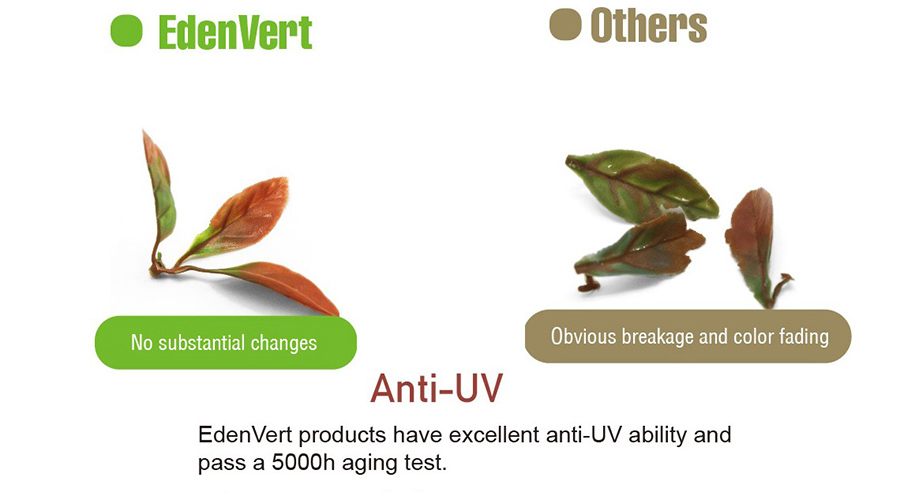
Injection-Moulded UV resistant artificial plants offer the longest lifespan. In this manufacturing process, UV stabilisers and high-grade pigments are integrated directly into the plastic during production. As a result, these plants can withstand years of direct sunlight without significant fading or structural damage.
For example, at EdenVert, our products are inherently UV protected, which is why we confidently offer 10+ years of warranty for indoor use and 5–8 years for outdoor applications.
UV-Sprayed Artificial Plants
Artificial plants treated with UV spray can also last several years—but only with consistent reapplication. To be effective, the spray must be applied evenly across all leaves, stems, and branches. UV sprays typically need to be reapplied every few months. Outdoor installations may require even more frequent treatment due to rain washing away the protective coating. Rotating plants periodically can help distribute sun exposure more evenly and reduce patchy fading.
How to Keep Artificial Plants from Fading?
While you can’t control the sun, you can take steps to significantly extend the lifespan of your artificial plants.
1. Choose UV-Resistant Artificial Plants
For outdoor use, always select artificial outdoor plants with built-in UV protection. Most outdoor-grade faux foliage is manufactured with special UV-resistant polymers that help the plastic retain its color and structural integrity under prolonged sun exposure.
If your artificial plants do not have built-in UV protection, applying a high-quality UV spray can help. Be sure to coat the foliage thoroughly from top to bottom and reapply every month for best results.
1. Clean Artificial Plants Regularly
Although artificial plants require far less maintenance than real ones, regular cleaning is still essential. Dust buildup dulls the plant’s appearance, reduces realism, and accelerates wear.
A simple wipe-down with a damp microfiber cloth every few weeks is usually enough. This quick routine keeps your faux greenery looking fresh, vibrant, and natural.
2. Rotate or Reposition When Possible
Even UV-protected artificial plants benefit from occasional repositioning. If you’re using freestanding artificial hedges, green walls, or planters, rotating them periodically helps distribute sun exposure evenly and prevents uneven fading.
Popular Outdoor Artificial Plants
Some types of artificial plants are especially well-suited for outdoor environments:
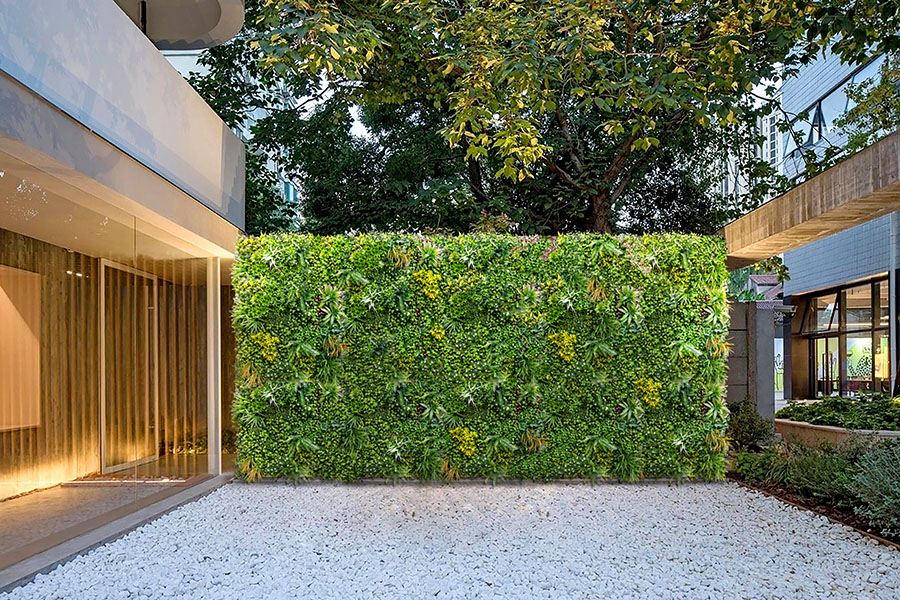
Green Wall & Vertical Garden
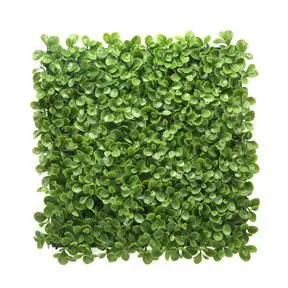
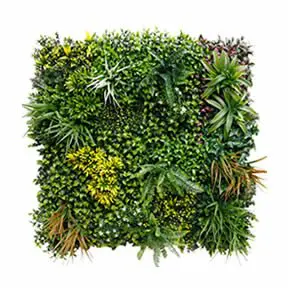
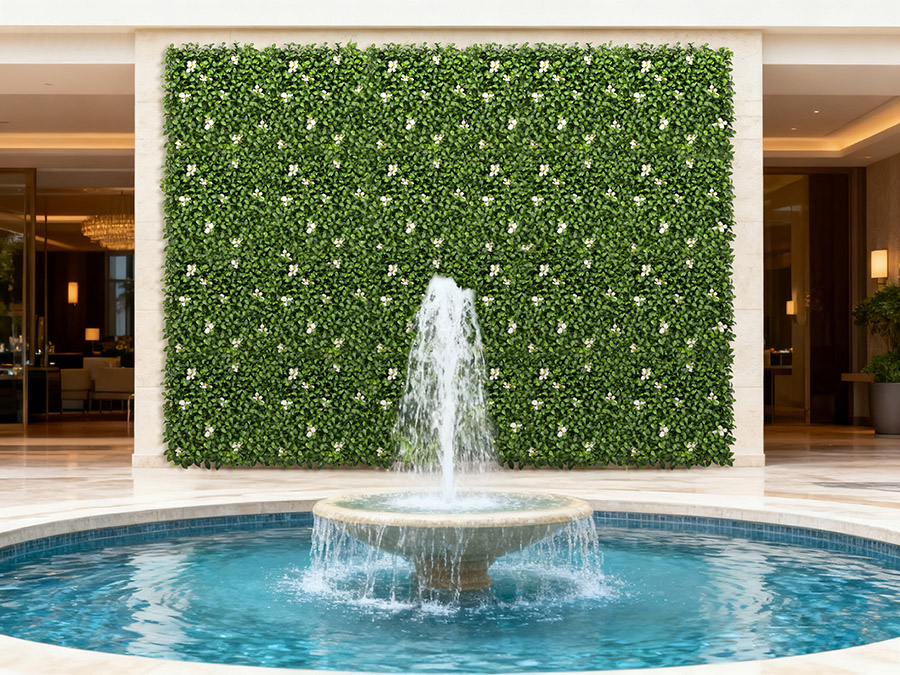
Artificial green walls & vertical gardens are ideal for balconies, patios, and small outdoor spaces. Their customizable designs make it easy to create a lush, statement-making garden without maintenance.
Artificial Boxwood
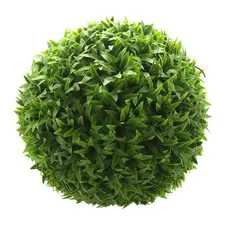
Perfect for hedges and topiary designs, artificial boxwoods are a classic outdoor choice. They’re typically designed with durability in mind and provide a clean, polished look year-round.
Artificial Succulents
Outdoor-grade faux succulents perform well in sunny locations and are popular for planters, patios, and decorative displays. When made with UV-resistant materials, they retain their vibrant appearance even in direct sunlight.
Why Choose EdenVert
EdenVert’s UV-resistant artificial plants are engineered for long-term performance. Each plant is injection moulded with premium chemical stabilisers, providing built-in UV protection from the inside out. This manufacturing process ensures superior color retention, structural integrity, and durability—even when exposed to harsh outdoor conditions.
For added safety, our products also incorporate fire-retardant additives, ensuring they are non-flammable and suitable for commercial and residential applications alike.
Designed with both aesthetics and practicality in mind, EdenVert plants are easy to maintain. Simple, regular cleaning with a clean cloth helps keep them dust-free and looking vibrant for years to come.
We offer both UV-safe and non-UV artificial greenery, allowing us to recommend the right solution based on your specific application, environment, and budget. Backed by industry expertise and a customer-focused approach, our team is always ready to help you select artificial greenery that delivers lasting value and visual impact.